


Stories and Myths
Wolves represent, more than any other animal, the wild and free side of life that we have lost and that we currently seek to recover with an eagerness that only increases the artificiality of what we achieve. They are the ones who make us feel and see the path from which we have strayed... "
Preface by Francisco Fonseca in "Wolves. Collection"
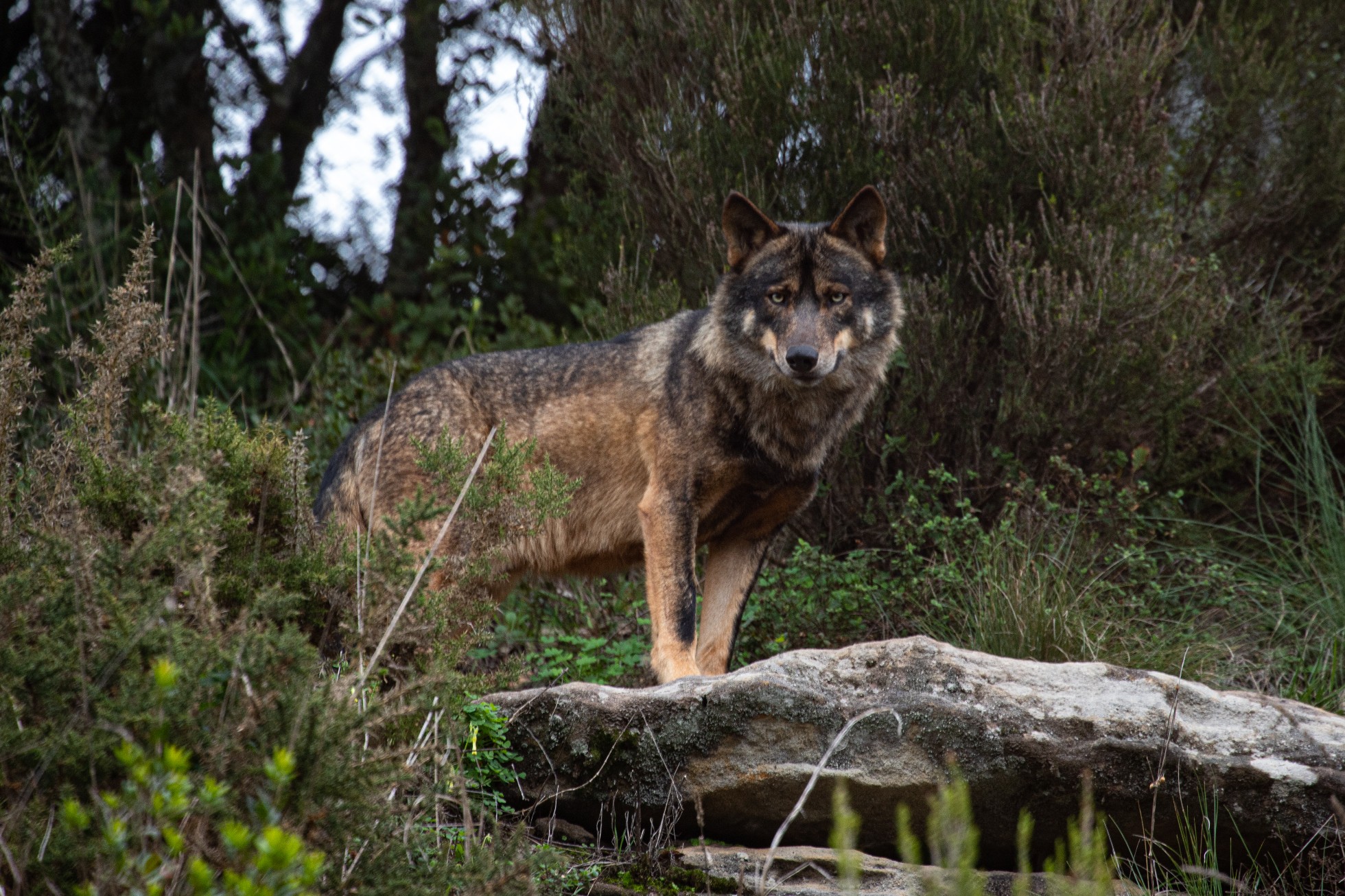
Who doesn't remember hearing the famous stories of the "big bad wolf"? Is the wolf really the evil animal described in these stories? And why did these stories arise?
Perhaps the fact that it is a nocturnal/crepuscular animal, lives in packs, emits characteristic sounds – howls – and is described morphologically as a ferocious animal has given rise to so many tales and myths that have spread throughout the centuries. In truth, wolves fear humans, who have always persecuted them. Attacks on humans are lost in the mists of time, being mostly attributed to sick wolves. Nowadays, we have more to fear from dogs than from wolves.
Ancient Myths
The conflict between Man and wolf has strong roots originating primarily from the medieval period, when the wolf began to be seen as an evil animal, a devourer of men, women, and children. The causes of this attitude seem to originate fundamentally in the Catholic Church, which used the wolf as a satanic symbol, an animal that threatened "God's flock," that is, Catholic Humanity. The great religiosity of the medieval people led them to quickly assimilate this idea, giving the wolf a mythological and supernatural dimension, expressed in various legends, stories, and beliefs, some of which are still alive today among the mountain inhabitants of the Iberian Peninsula. The economic losses associated with wolf predation on domestic animals also increased the dark symbolism that the wolf carries. This situation is the result of Man's mismanagement of natural resources, which led to a scarcity of the natural prey of this canid.
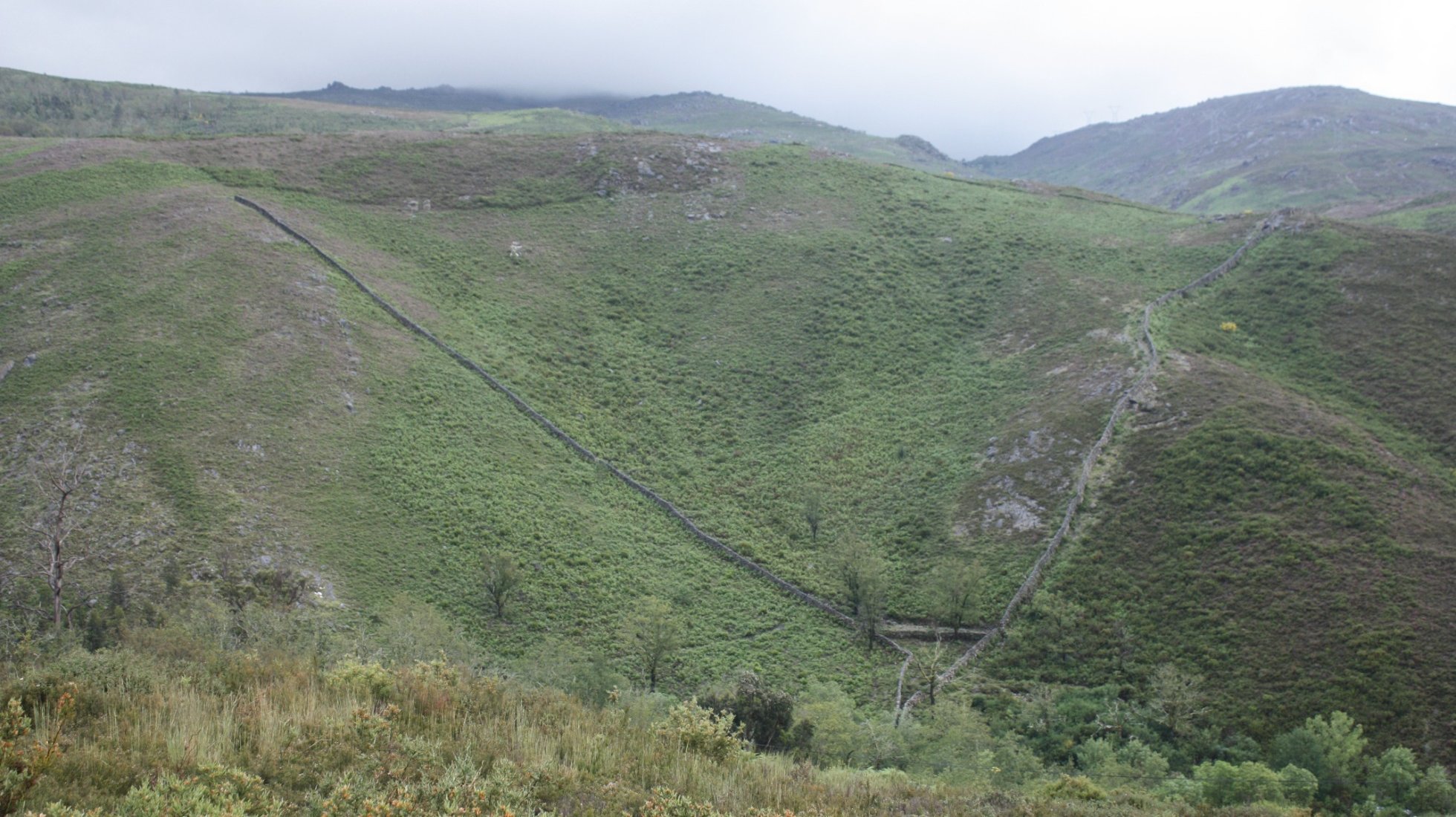
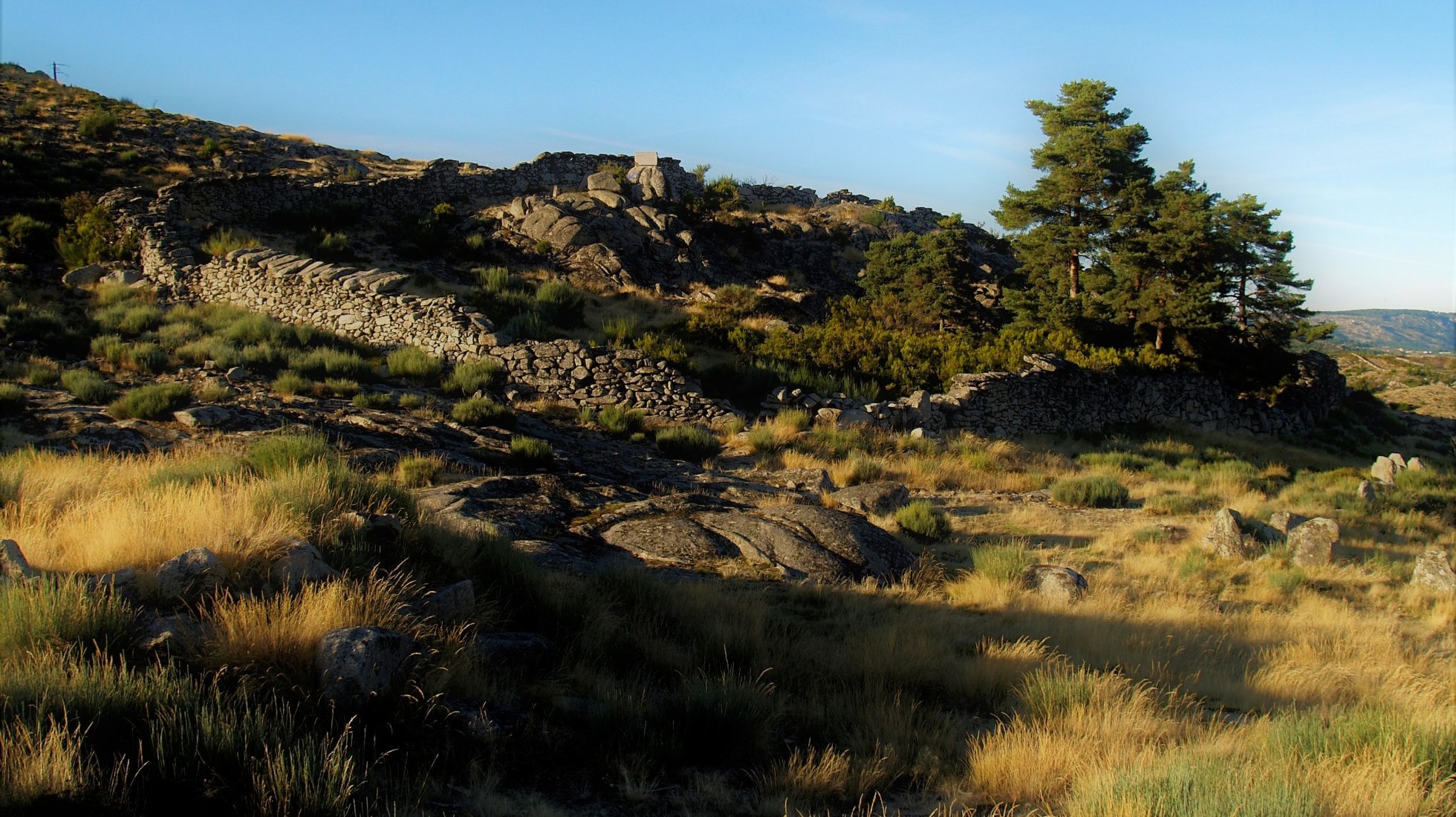
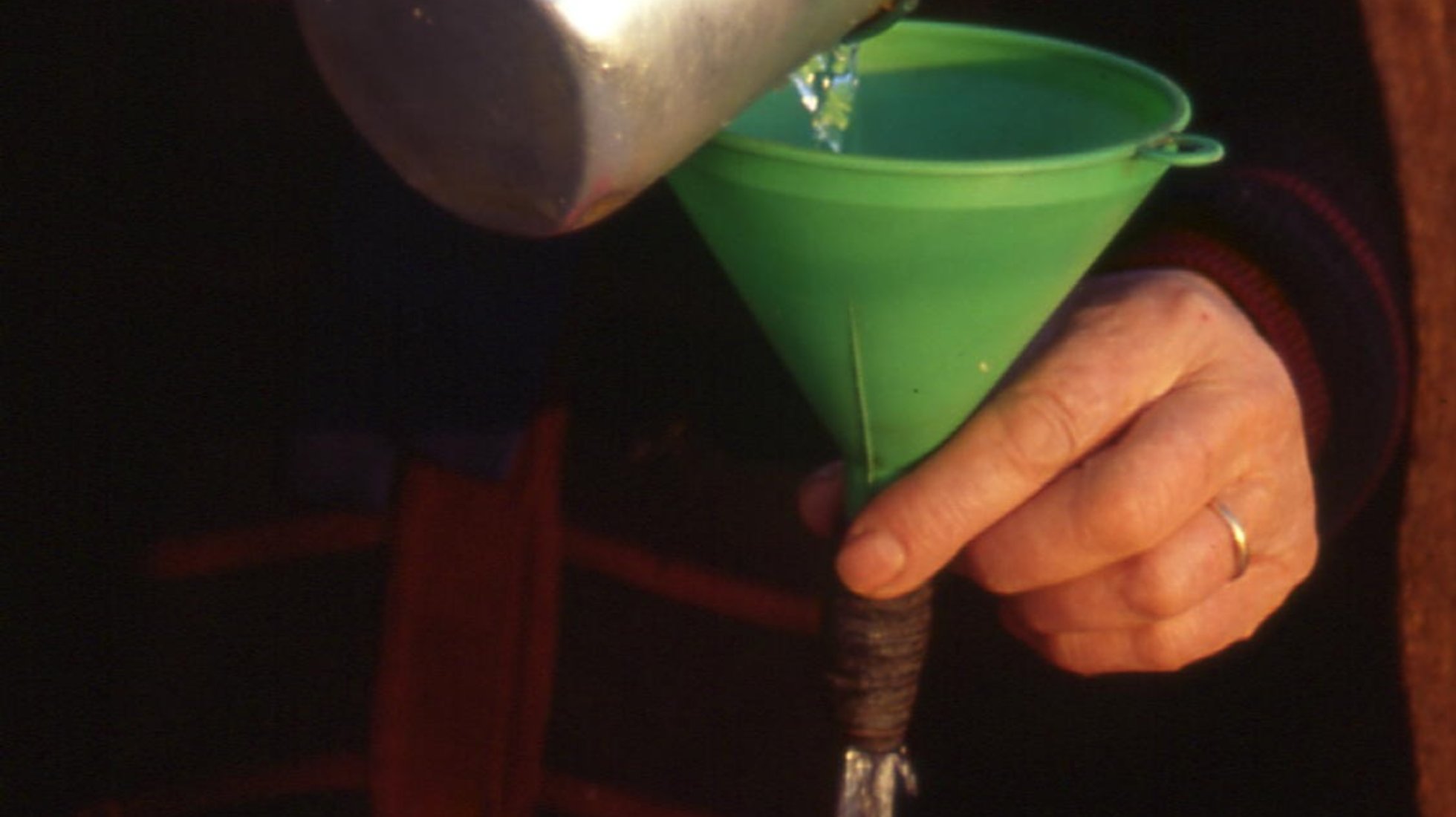
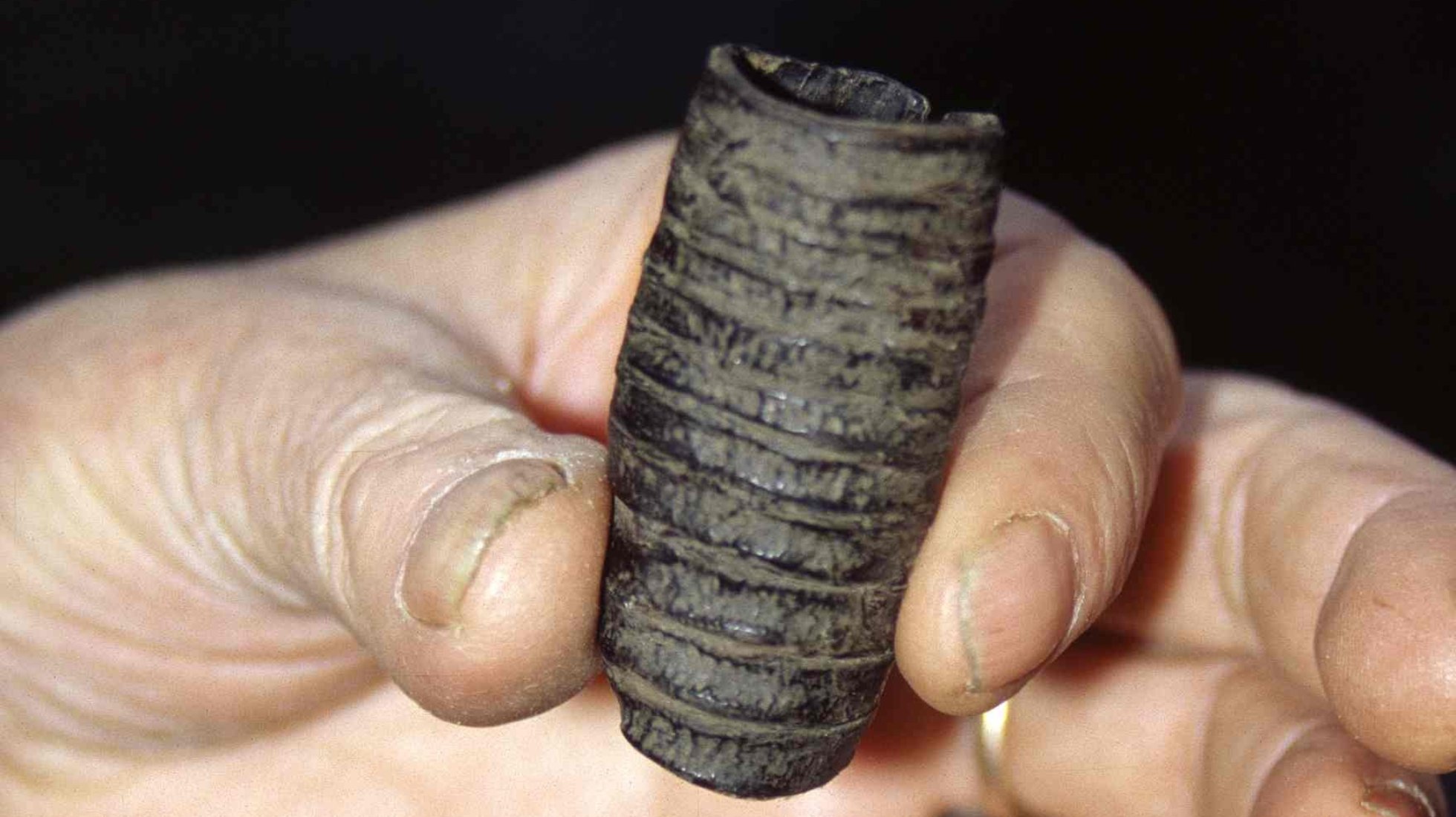
This millennial coexistence gave rise to unique cultural manifestations. The religious and agro‑pastoral communities of the mountains of Northwest Portugal, still quite isolated, have allowed the survival, to this day, of a rich cultural heritage related to their relationship with the wolf, expressed in various legends, myths, beliefs and material aspects, which is no longer possible to find in other regions of Europe. Examples of this are the fojos – ancient traps for capturing wolves (see figure 1) – formed by large stone walls from which wolves could not escape, whose only area of occurrence is Northern Iberia; myths such as those of werewolves or wolf fairies, and also diseases such as "lobagueira". This, supposedly transmitted by contact with the saliva or droppings of the wolf, would only affect pigs, and whose cure would be done by ingesting water passed through the "wolf's collar" – a piece of the predator's trachea carefully preserved (see figure 2).
Modern Myths
In the 21st century, myths about wolves persist. However, they are now somewhat different! There is much talk of "wolf releases," which sometimes even include helicopters and parachutes; that today's wolves are not the same as those of the past, which is explained by individual variation and the great difference that wolves present in their coats from summer to winter; that wolves are more fearless and easily approach people. All these statements are nothing more than rumors, because in reality, when people are confronted with such claims, they never know for sure their origin.
The reality is quite different from what was previously reported. The wolf is a magnificent animal, part of a harmonious nature.