

Exhibitions
Discover our exhibitions available for booking
All exhibits are available for loan. To request one, simply send an email to grupolobo@grupolobo.pt indicating the purpose of the request, the location where it will be displayed, and the duration. The borrower is responsible for transport and/or collection, as well as any associated costs. The borrower must also have insurance that covers any damage to the exhibit while it is in their possession.
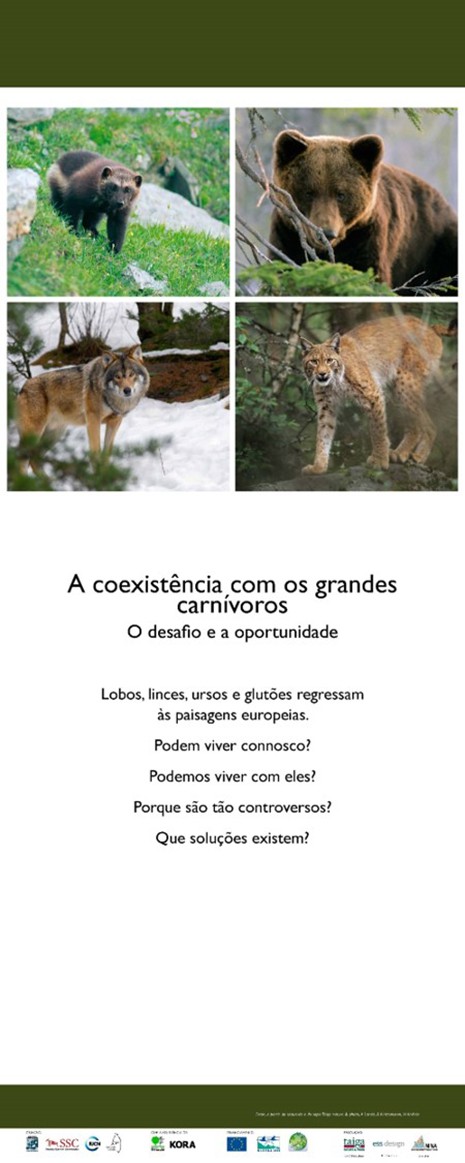
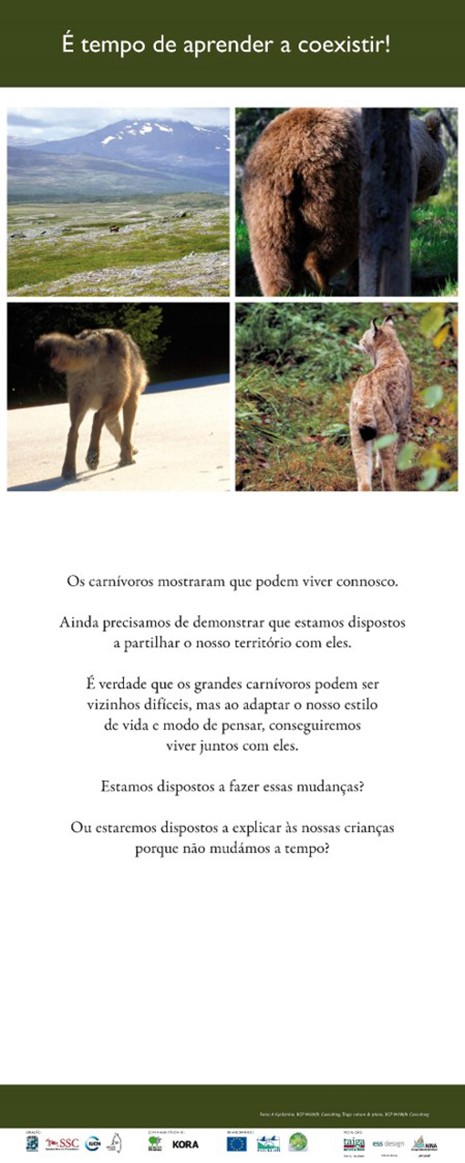
Coexistence with large carnivores
Roll‑up version (27) ‑ 80x200cm
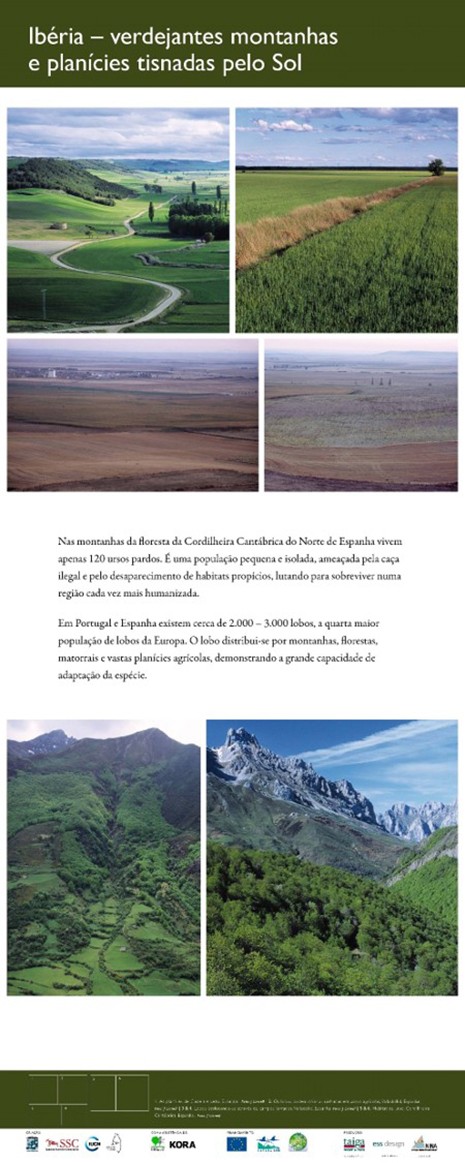
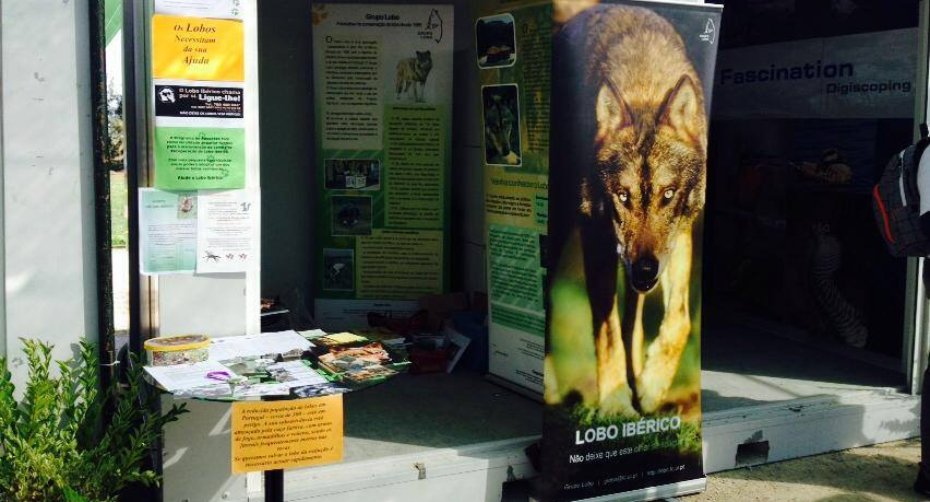
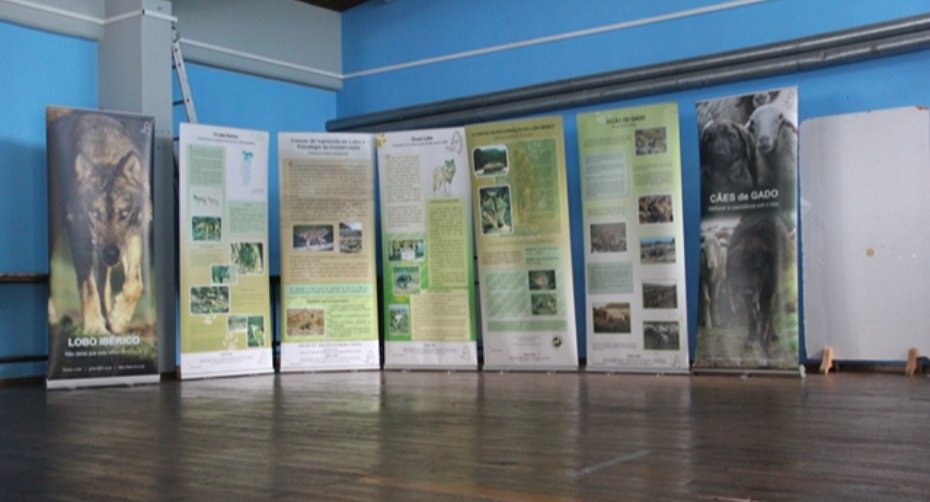
A Howl for Survival
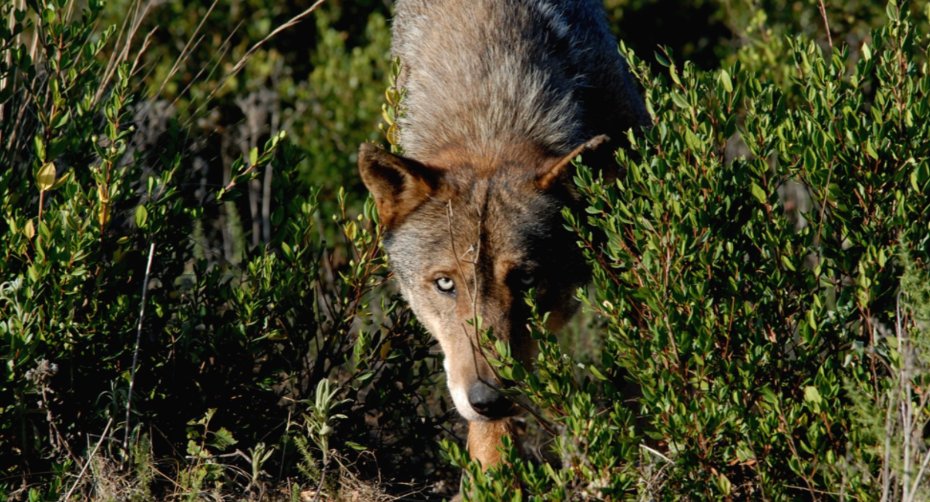
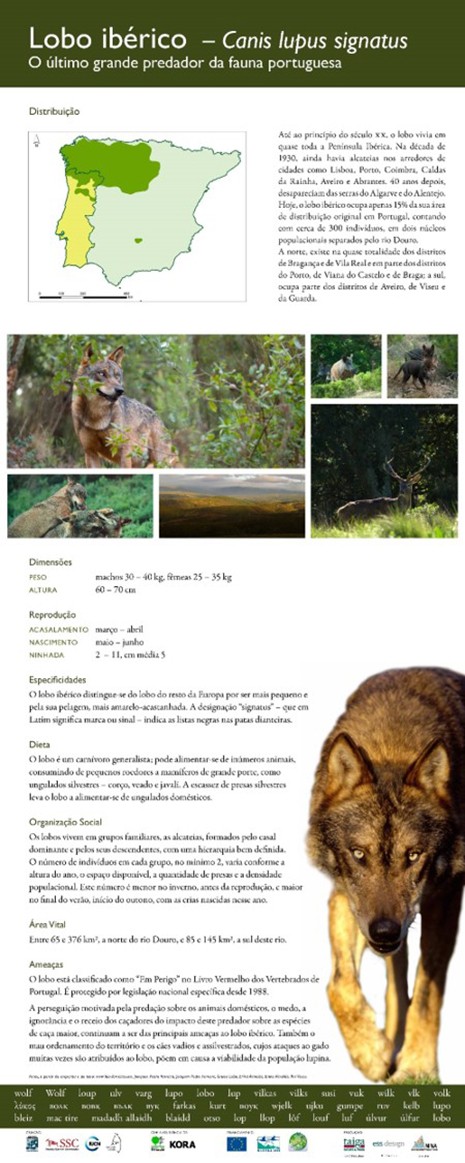
This exhibition offers a better understanding of the Iberian wolf, the last great predator of our fauna. From its characteristics and habits to its distribution and habitat , the main threats to its survival are explored, and how rural communities interact with this predator and have adapted to its presence. Visitors will also have the opportunity to learn about the use of livestock guardian dogs, an excellent example of how, over thousands of years, humans have selected different canine breeds to protect herds from predator attacks, thus allowing coexistence with the wolf.
Roll‑up version (8 roll‑ups, 80‑200cm)
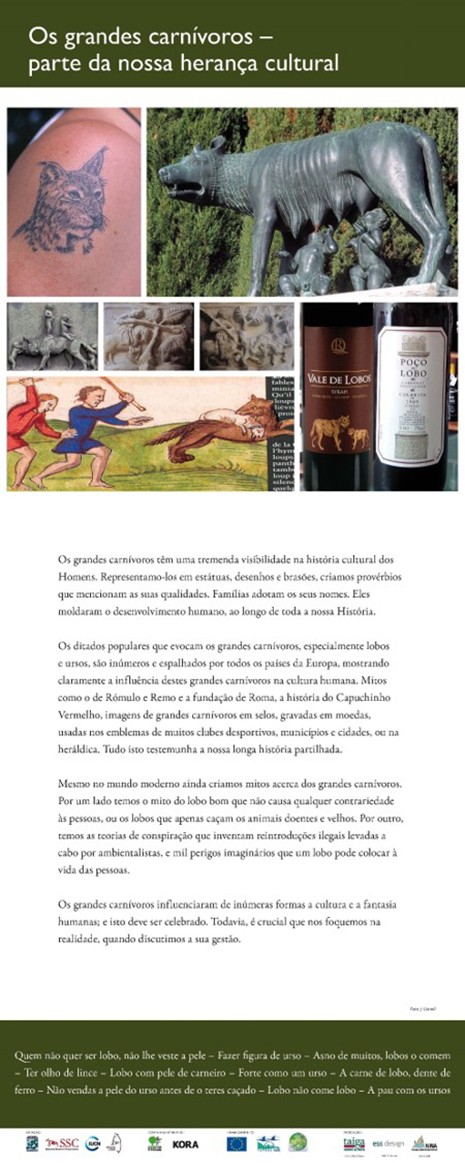
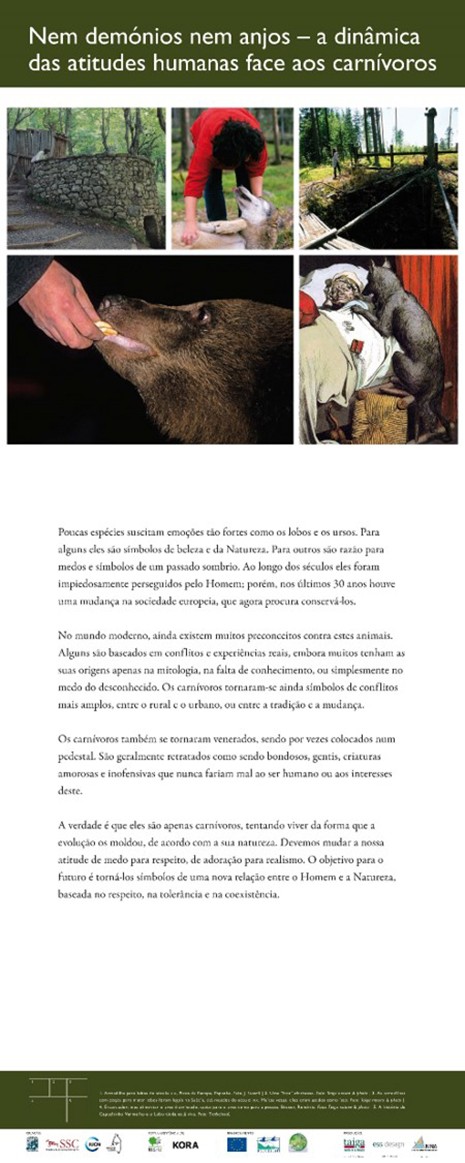
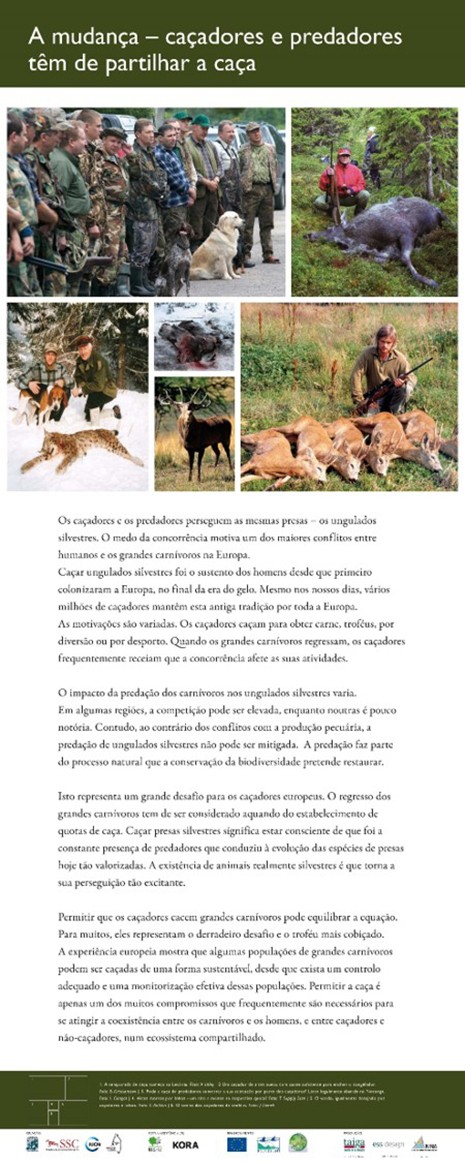
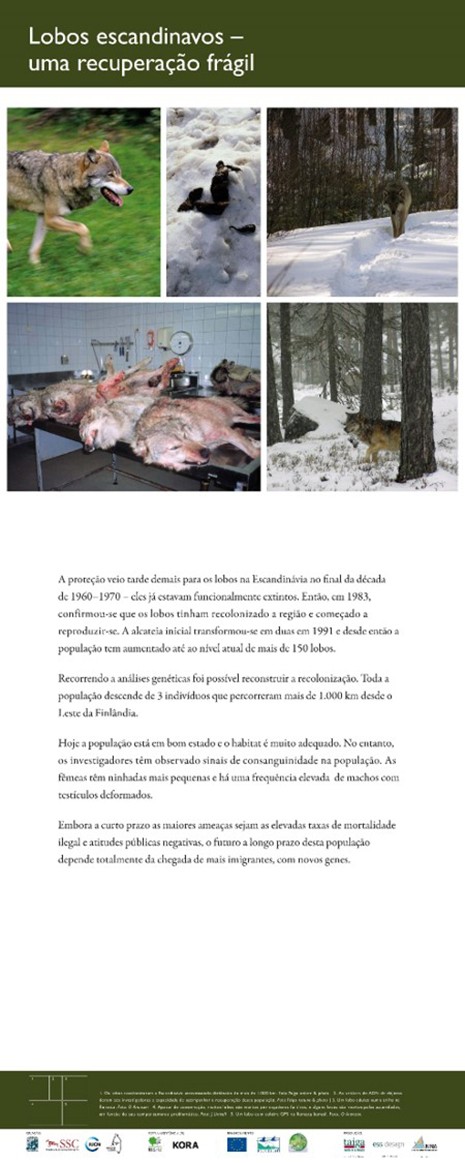
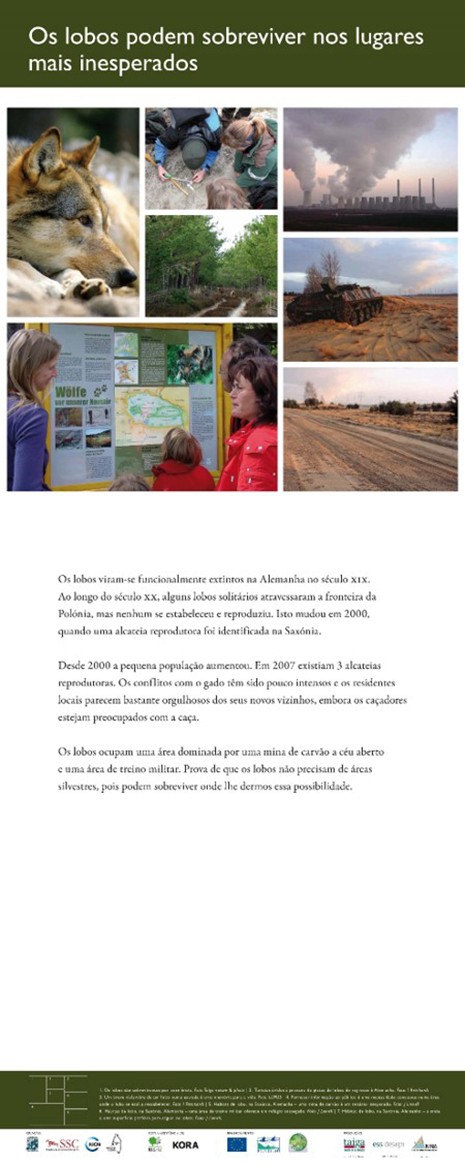
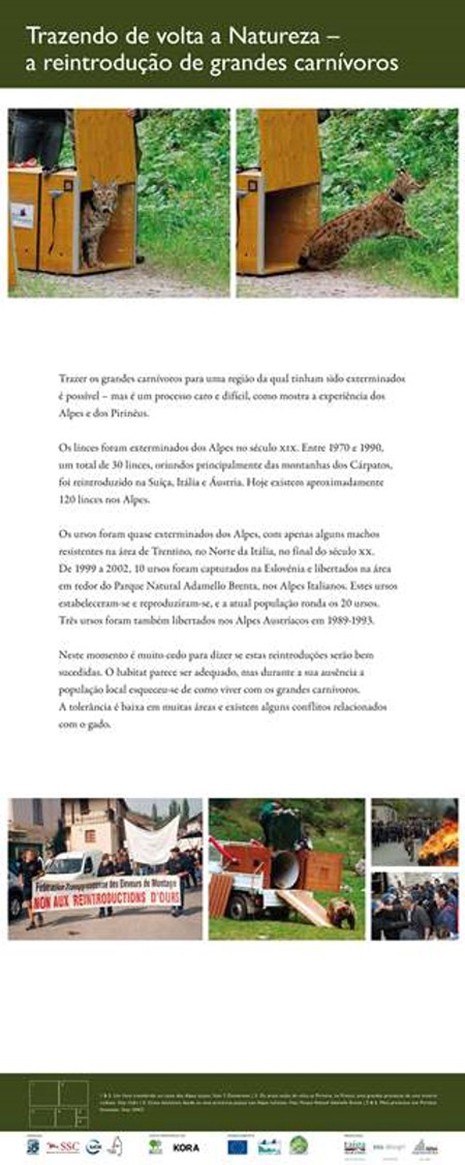
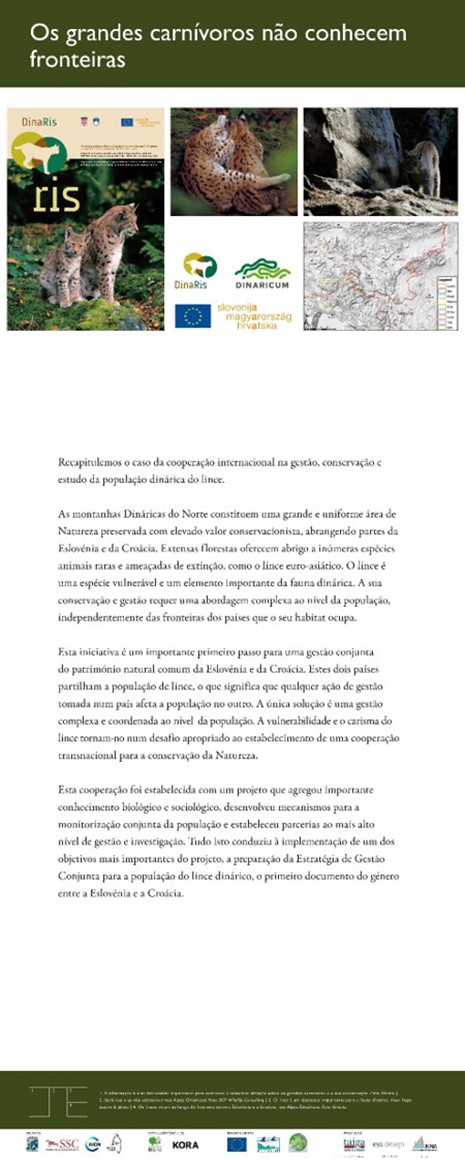
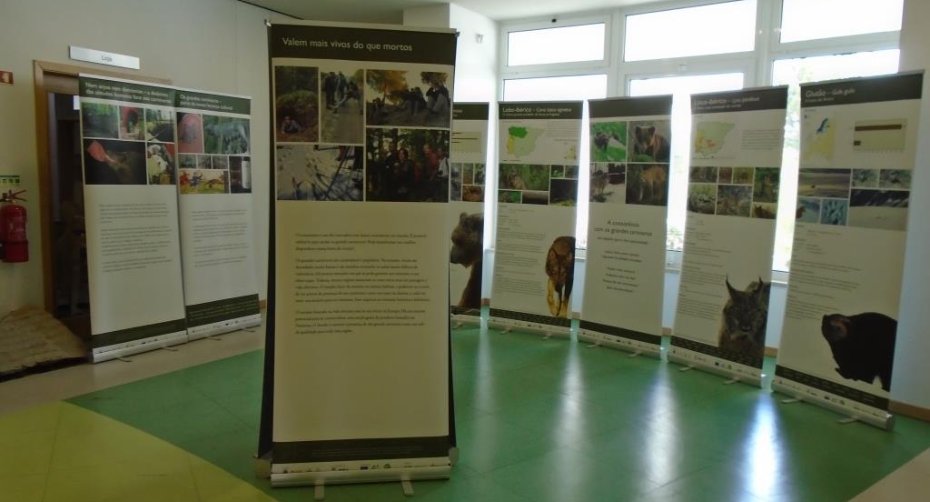
Coexistence with Large Carnivores: The Challenge and the Opportunity
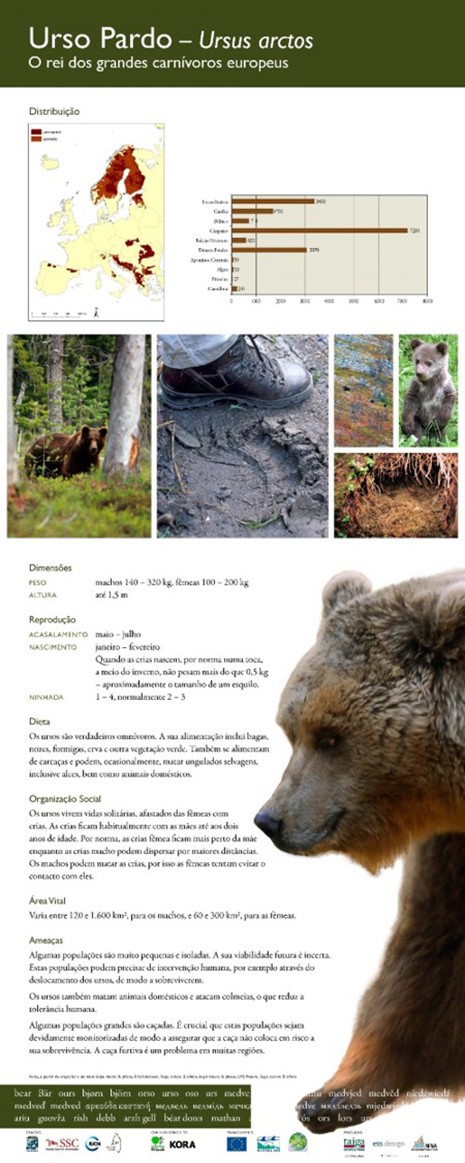
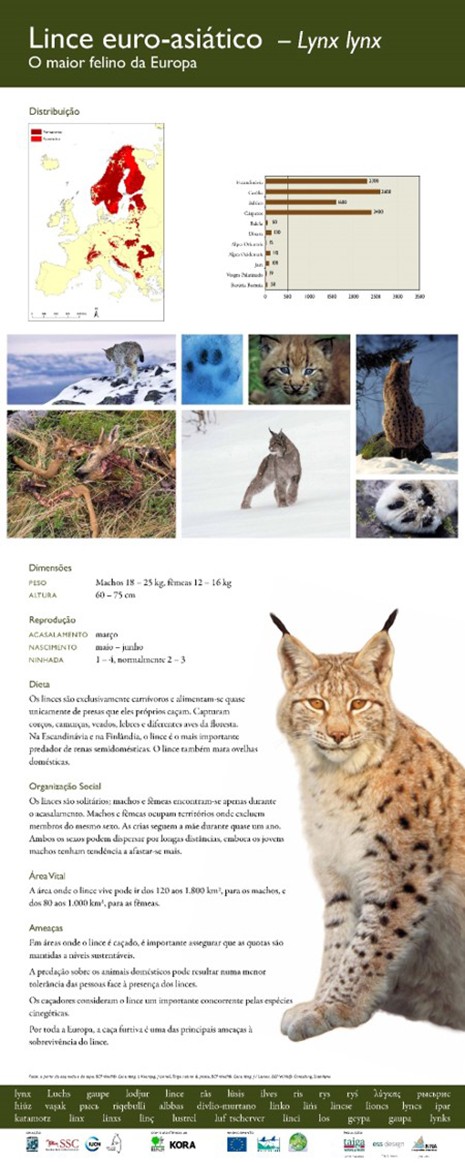
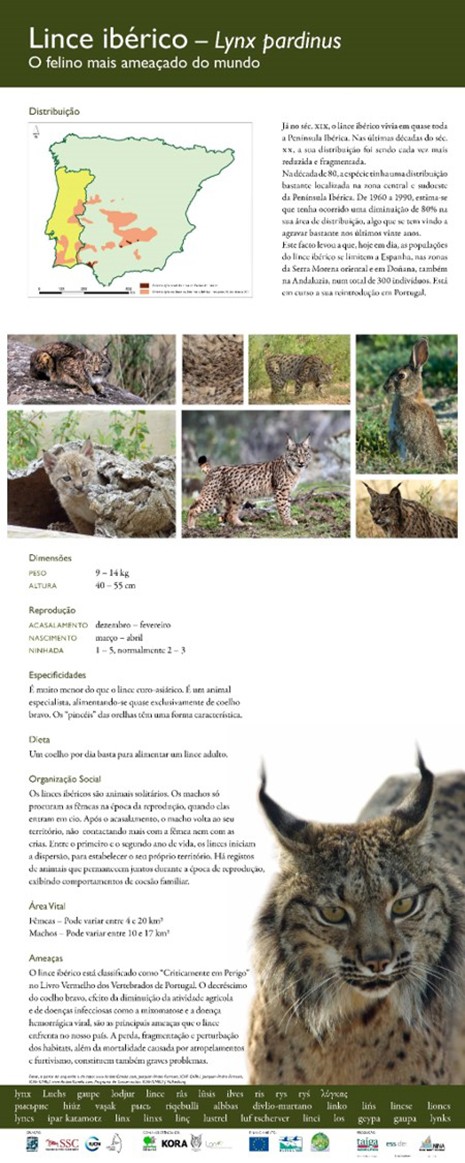
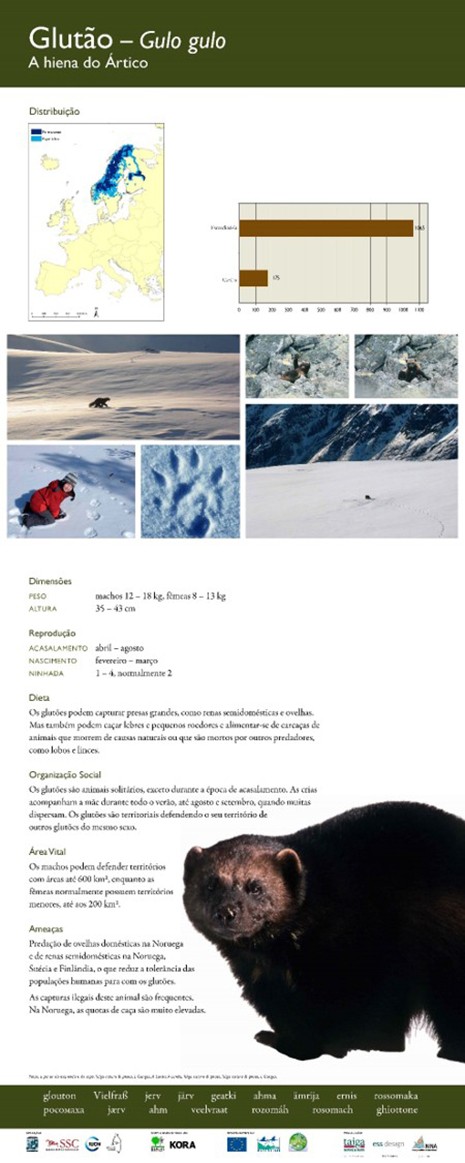
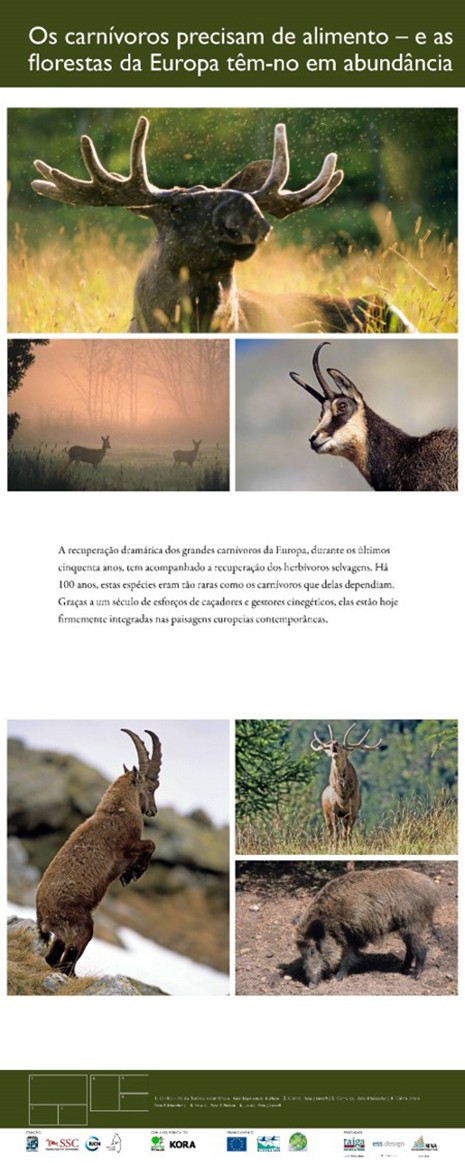
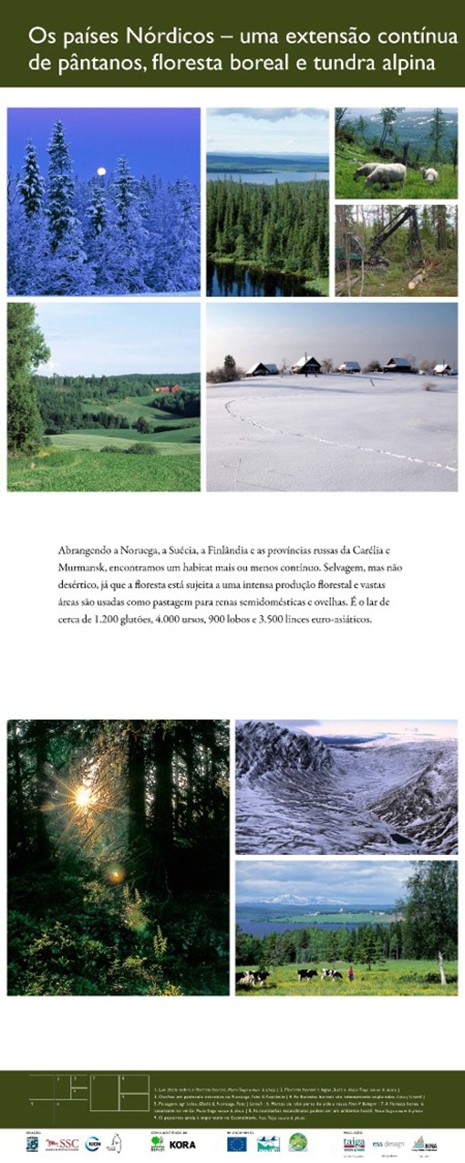
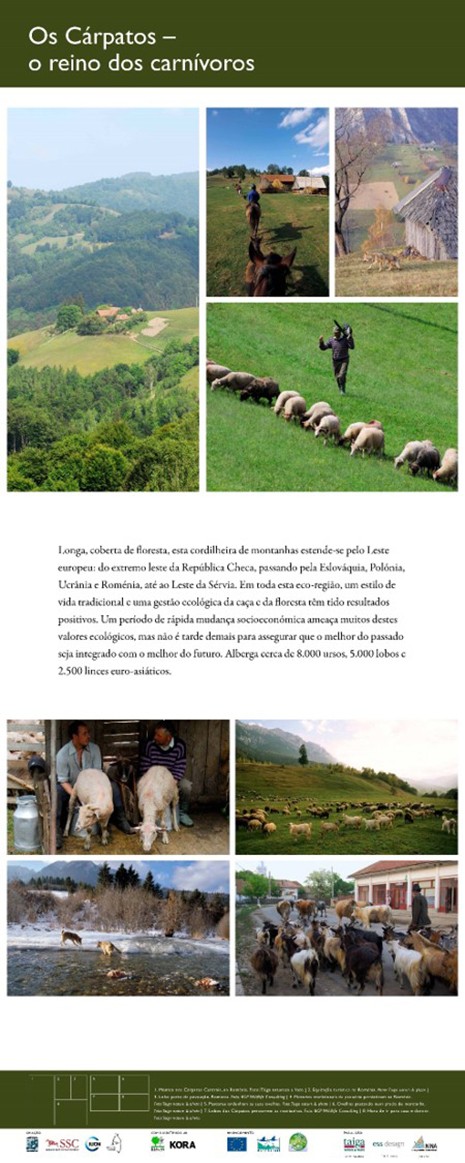
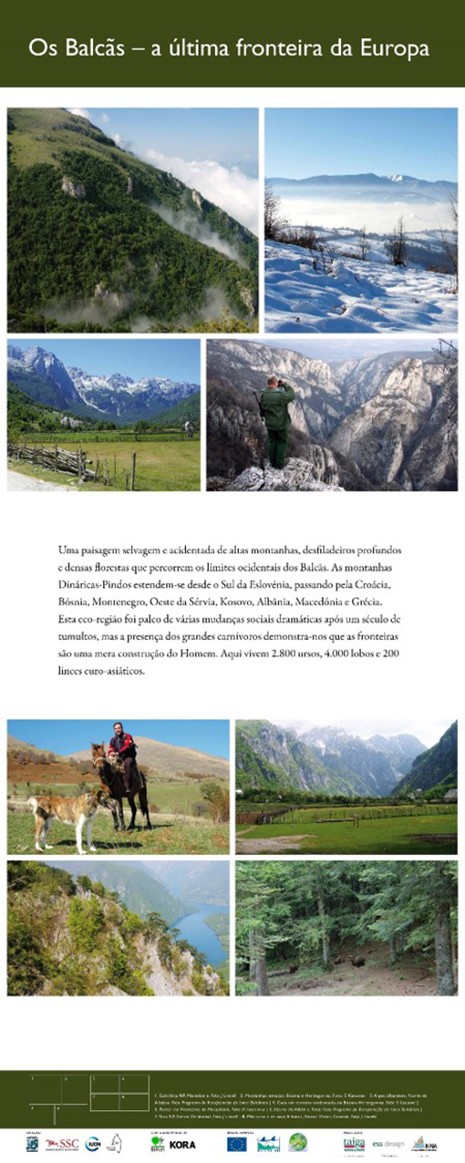
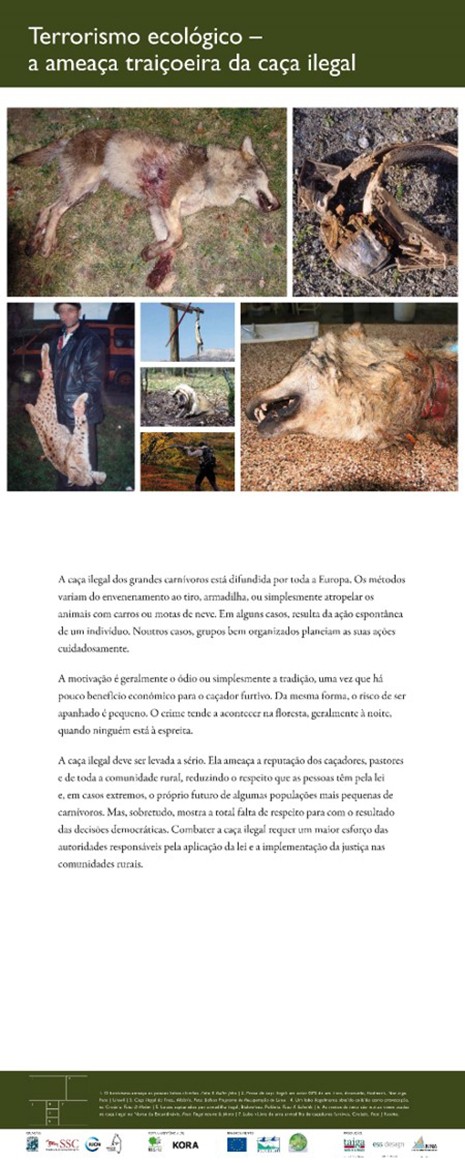
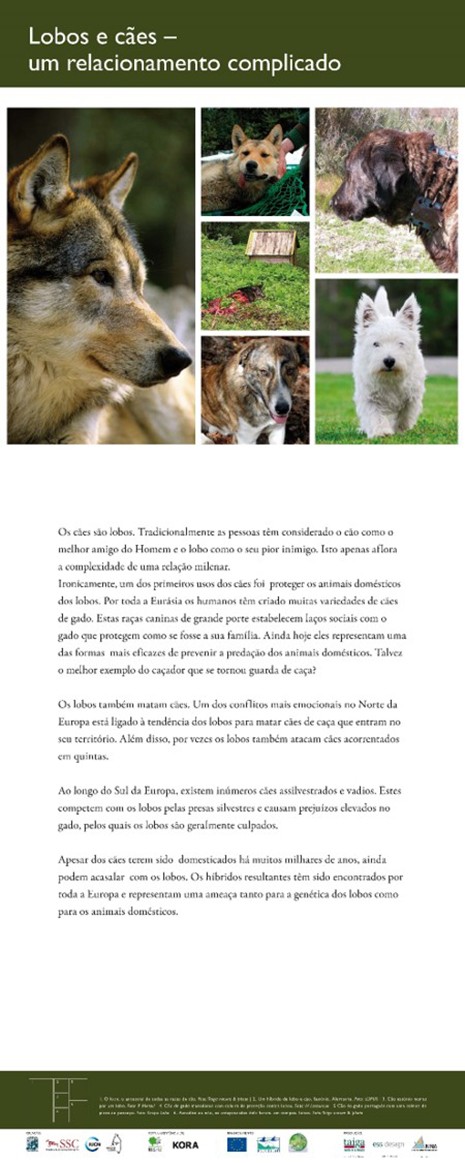
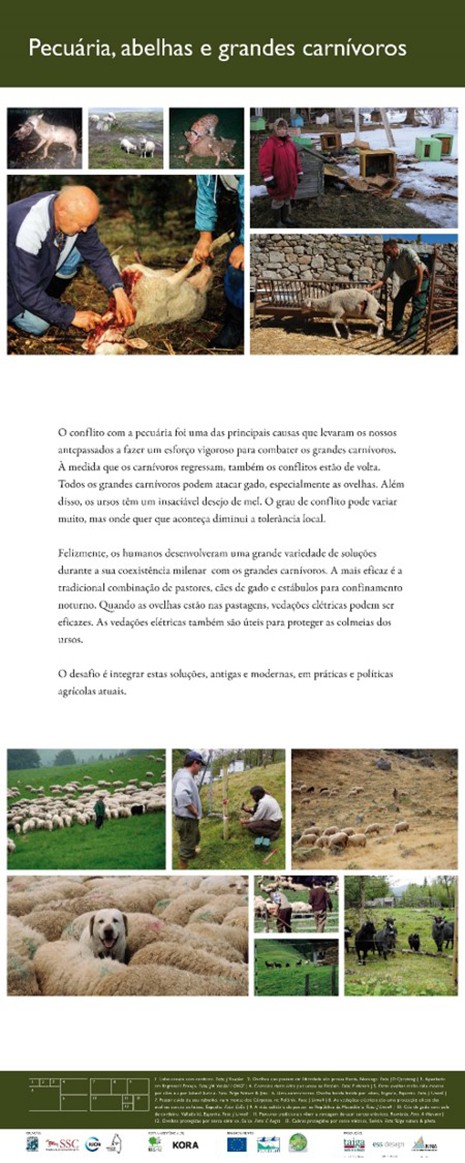
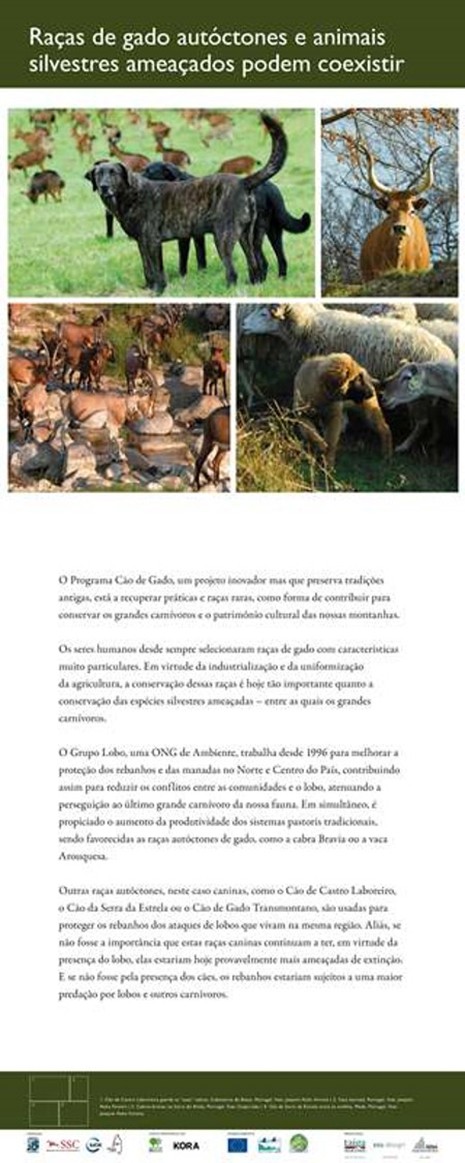
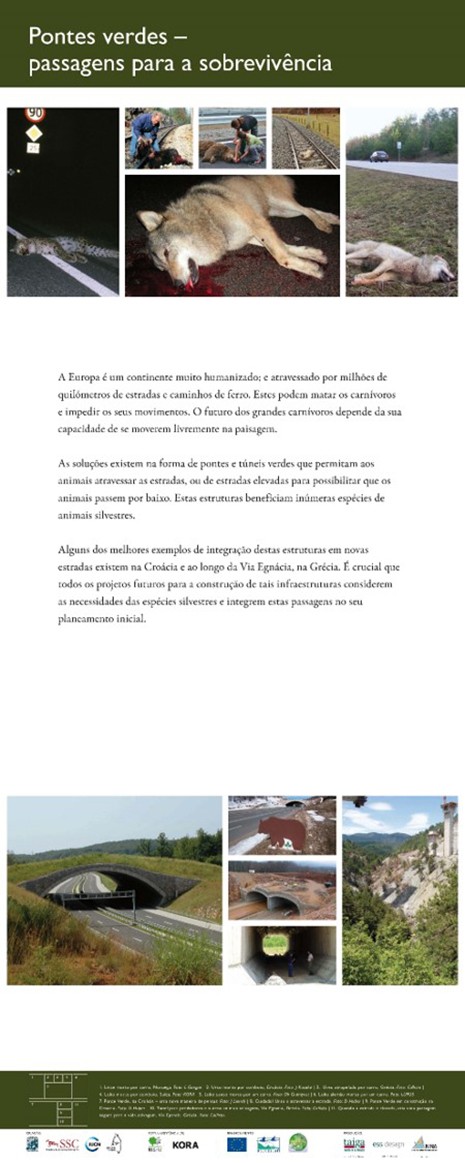
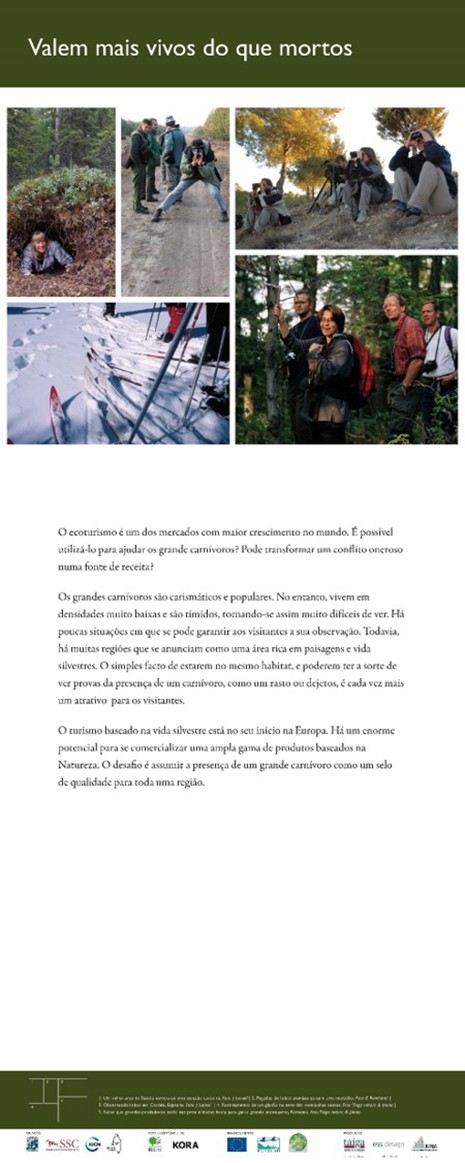
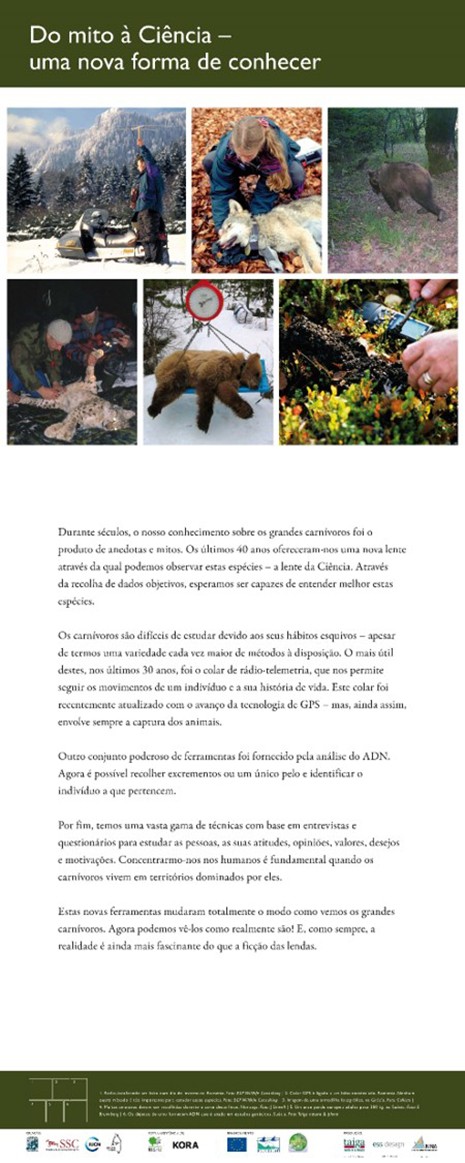
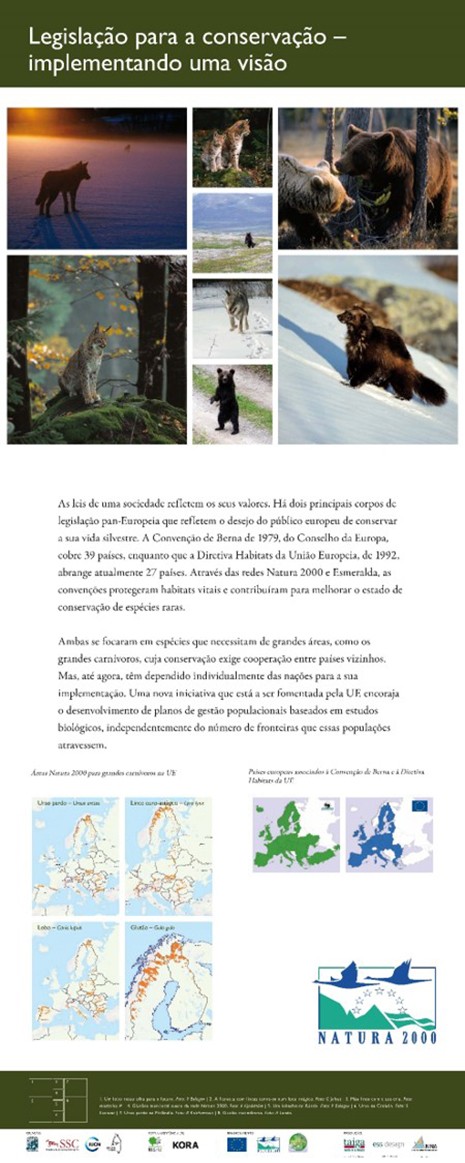
This exhibition introduces the large European carnivores – bear, wolf, lynx, and wolverine – and the relationships that human communities establish with them. Its aim is to promote public interest in this topic and reflection on the path forward for a humanized Europe, which will have to relearn how to coexist with these charismatic species. The information provided covers everything from their distribution and feeding habits to the identification of the main causes of ancestral and current persecution: from ancient and modern myths to predation on wild and domestic animals. Original conservation projects at the European level are presented, highlighting the presence of these species in European culture and society.
PVC Panel Version (16 panels, 80‑120cm)
Roll‑up Version (27 roll‑ups, 80‑200cm)
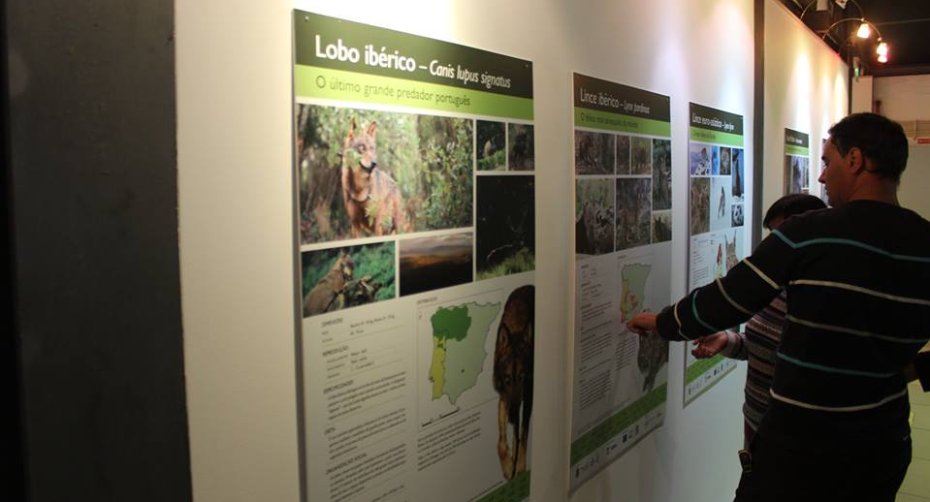
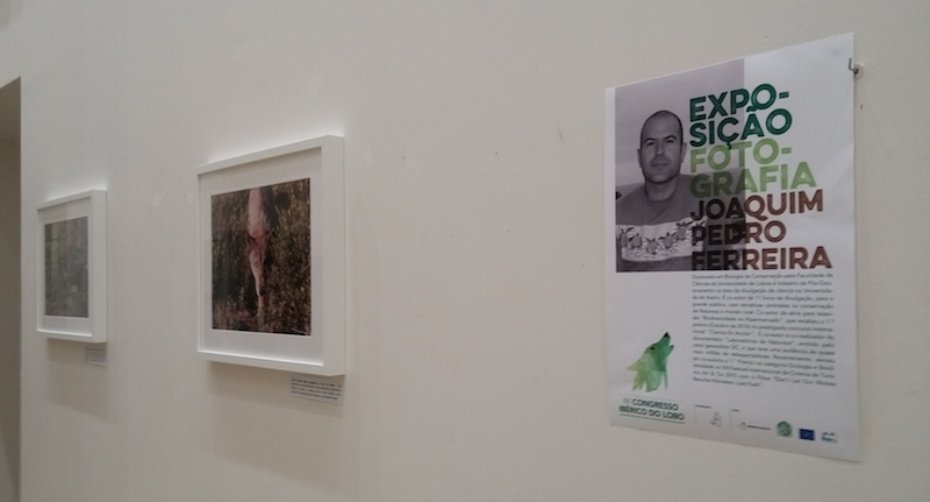
Looking at the Wolf and the Lynx
This exhibition aims to raise awareness among visitors about the importance of conserving the Iberian wolf and the Iberian lynx, two emblematic species of Portuguese fauna whose populations are threatened.
Created by Joaquim Pedro Ferreira, PhD in Conservation Biology from the Faculty of Sciences of the University of Lisbon, he is a Post‑Doctoral Fellow in the area of science communication at the University of Aveiro. He is co‑author of 13 popular science books for the general public, focusing on nature conservation and the rural world. He is co‑author of the television series "Biodiversity in the Supermarket," which received the 1st prize (October 2014) in the prestigious international competition "Ciencia en Acción." He is co‑author and co‑director of the documentary "Laboratories of Nature," broadcast on the generalist channel SIC, which had an audience of almost half a million viewers. Author of the web video series “1 Minute with Science”, from the Department of Biology at the University of Aveiro. Recently, he co‑wrote the 1st Prize in the Ecology and Biodiversity category at the VIII International Tourism Film Festival Art & Tur 2015 with the film “Don't let our wolves become homeless – last push” and in the following edition of the same Festival, with the film “Say no to the illegal trapping of birds”.