


Selection and Breeding
Raising and training a livestock dog isn't complicated, but we must pay attention to certain details and control specific situations that can be crucial for the dog's efficiency. We must consider its physical and behavioral development, the conditions in which it is raised, and the specific care required for this type of dog. This knowledge can be useful for maximizing the effectiveness and adaptation of the livestock dog to different herding and livestock management systems.
The following are some topics, presented in the form of questions, that are considered important for those who intend to integrate a livestock guardian dog into a herd/flock as a way of protecting it from predator attacks.
1. What is the secret to having an efficient livestock dog?
To have an efficient livestock guardian dog, two things are fundamental: choosing a dog of a suitable breed and raising it correctly. By choosing a dog of a suitable breed, we increase the likelihood of the dog demonstrating the appropriate behaviors. These particular behaviors allow it to form social bonds with the animals in the herd and protect them effectively – the dog protects the herd because it considers it its family. However, for dogs to demonstrate these behaviors, it is necessary to accustom them from a very young age to the animals they will have to protect when they are adults.
Raising a livestock guardian dog requires time and dedication until it is ready to protect livestock. Like other animals, dogs don't act automatically; their behavior varies, so some dogs may be better suited than others.
2. What precautions should be taken when choosing a livestock guardian dog?
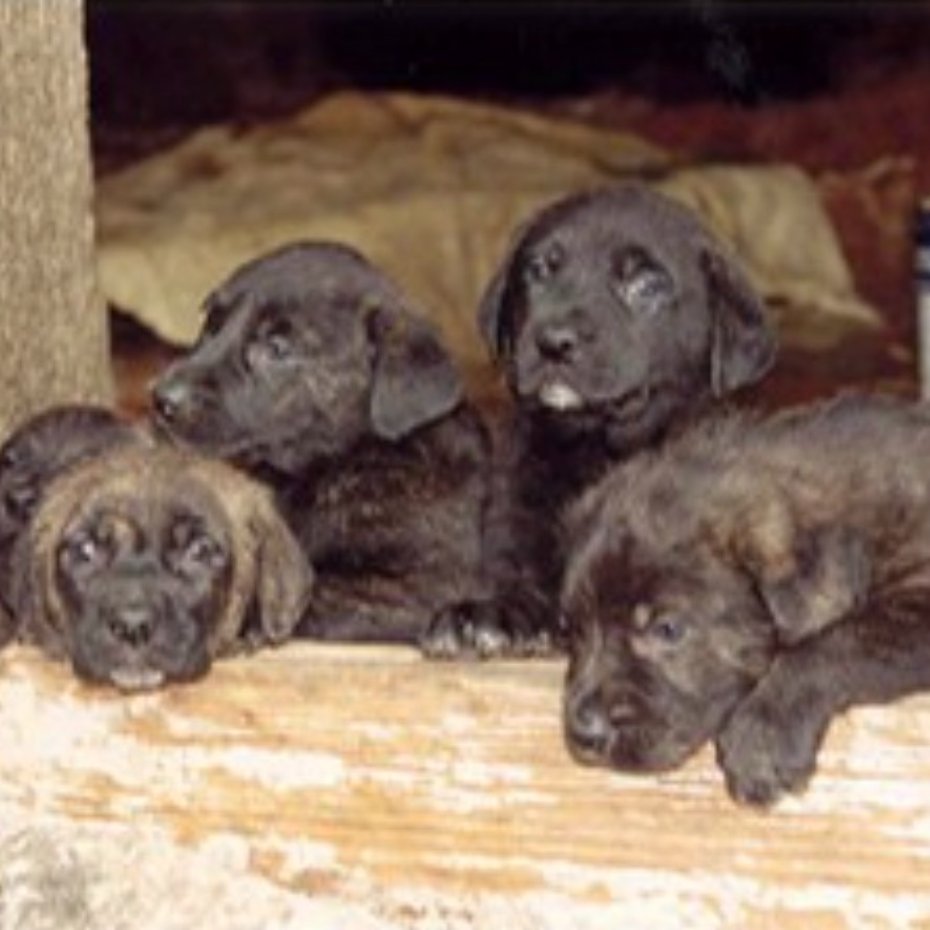
To increase the likelihood of having a good dog, it is important to carefully choose the parents. Ideally, these should be dogs used for livestock protection so that their efficiency can be assessed. They should be healthy, well‑conformed, and free from hereditary defects such as hip dysplasia or malocclusion (prognathism). When selecting the puppy, you should also ensure that it is healthy and well‑built. The puppy should be neither too active nor too shy, but should appear confident and alert.
- Choosing a male or female
There doesn't seem to be a difference in efficiency between a male and a female dog. If you need more than one dog in the flock, you should choose a pair of unrelated dogs.
- Where to get a livestock guardian dog
The best way to acquire a good dog is to contact a livestock breeder who owns good livestock guardian dogs and has experience in breeding them. They may be able to sell you puppies sired by their dogs. If you don't know any breeders or if you want to know more about these dogs, you can contact the Wolf Group, the technicians from the Protected Areas responsible for paying compensation for damages caused by wolves, the Dog Breed Clubs, or the Livestock Breeders Associations.
3. Which breed to choose?
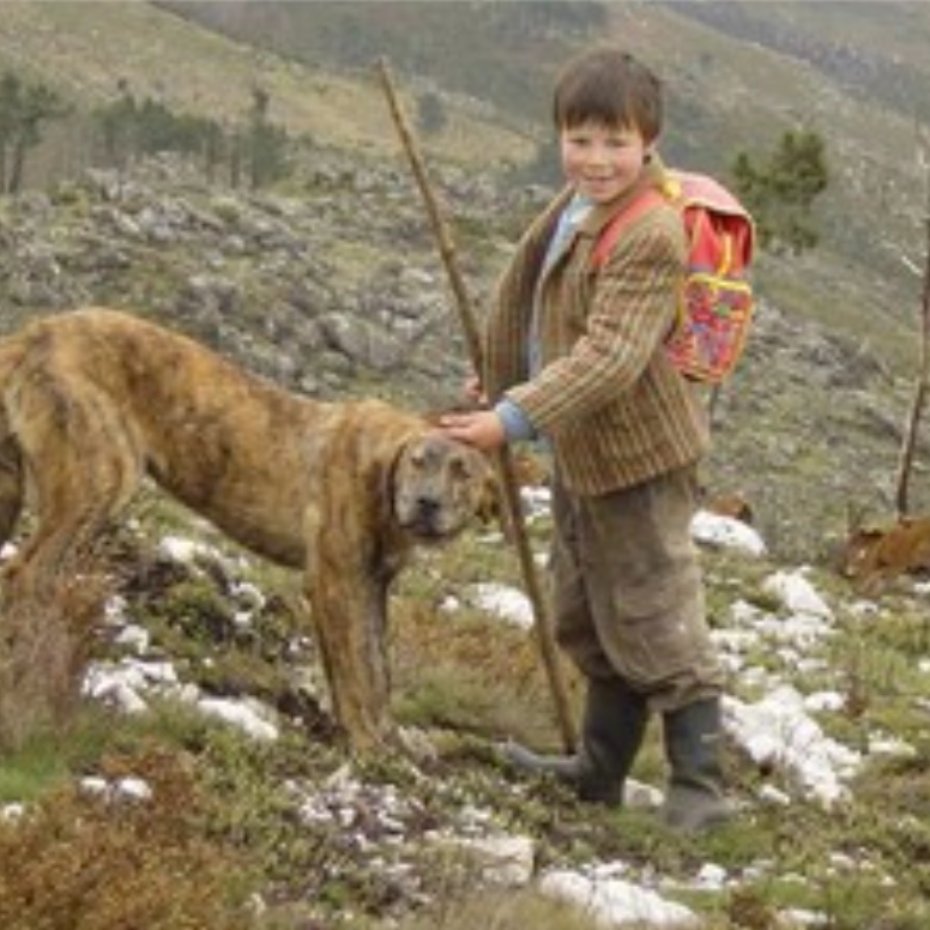
The continuous selection by shepherds, over hundreds of years, of the dogs that best protected the flocks gave rise to a type of dog with particular behavioral and morphological characteristics. Regionally, this selection resulted in the emergence of different breeds. In Portugal there are 4 breeds of Livestock Guardian Dogs: the Castro Laboreiro Dog, the Serra da Estrela Dog, in both long‑haired and short‑haired varieties, the Alentejo Mastiff and the Transmontano Livestock Guardian Dog.
Generally speaking, there are no significant differences in the success rates of different breeds, although there are behavioral differences between them. However, some breeds may be better suited to certain conditions – to a particular type of livestock and to certain characteristics of pastures and climate. Effectiveness also seems to vary between dogs of the same breed, and some lines may be better than others. Therefore, care should be taken in selecting the breed and the parents of the puppies you intend to acquire.
4. How to train a livestock dog?
Integration with Cattle
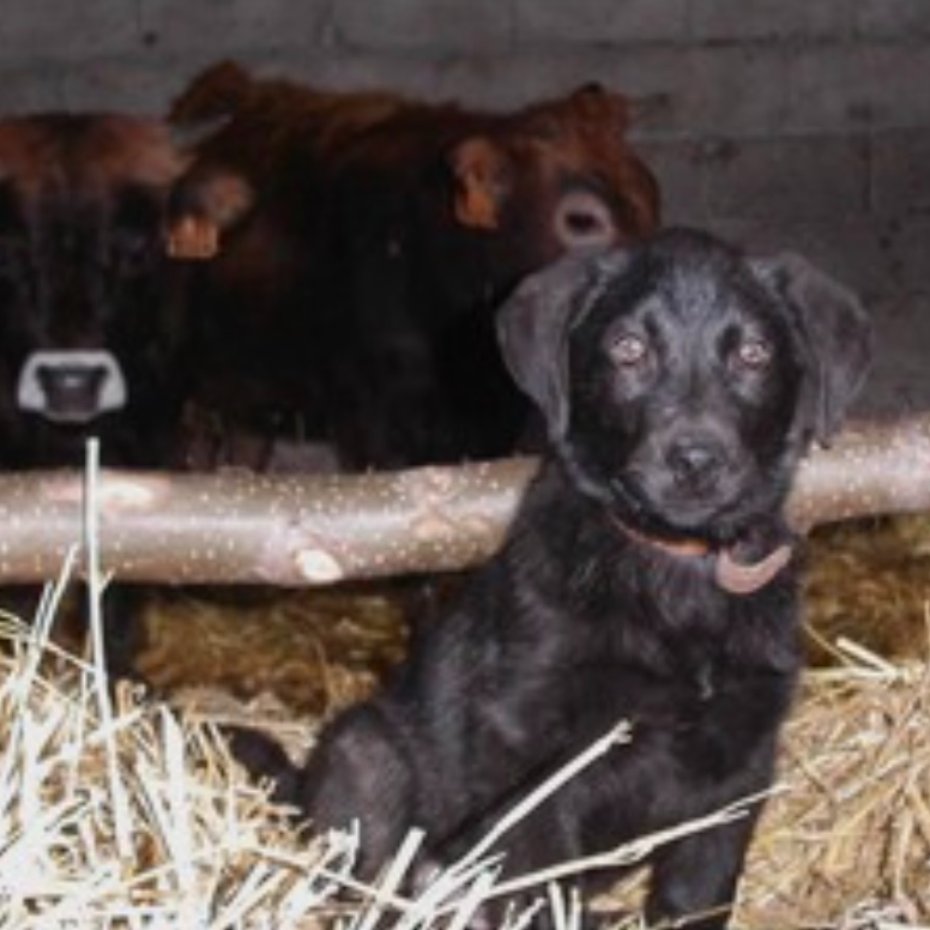
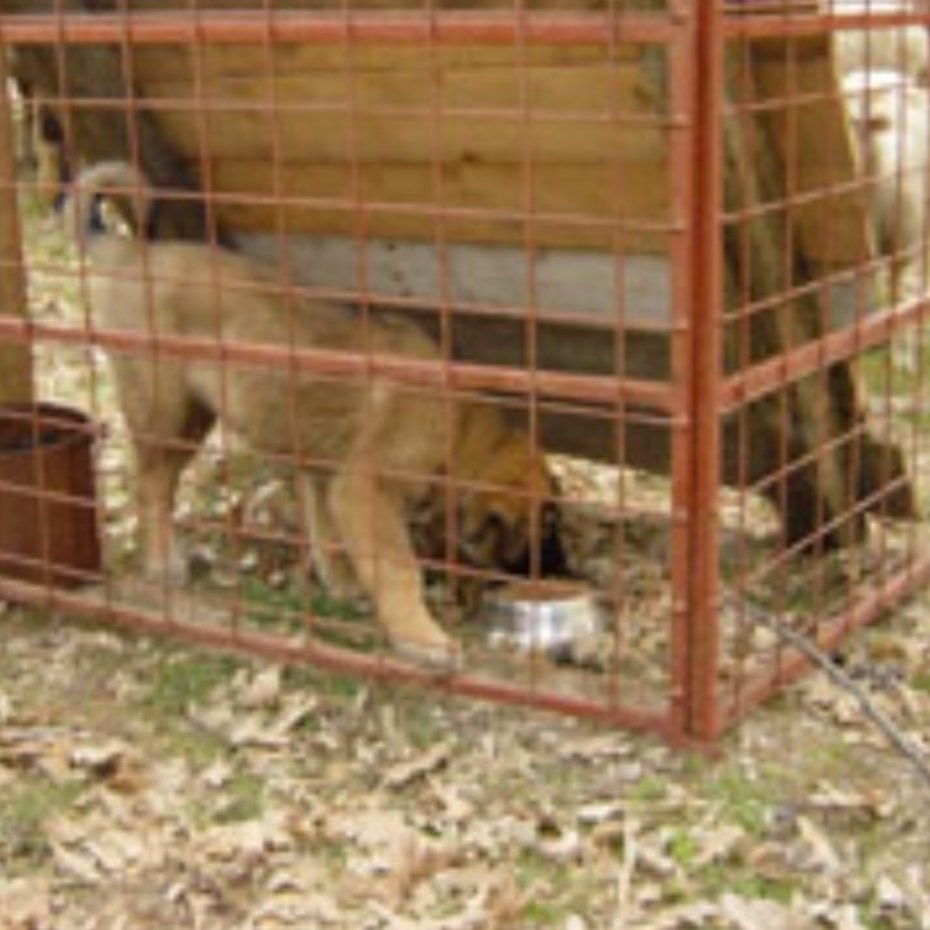
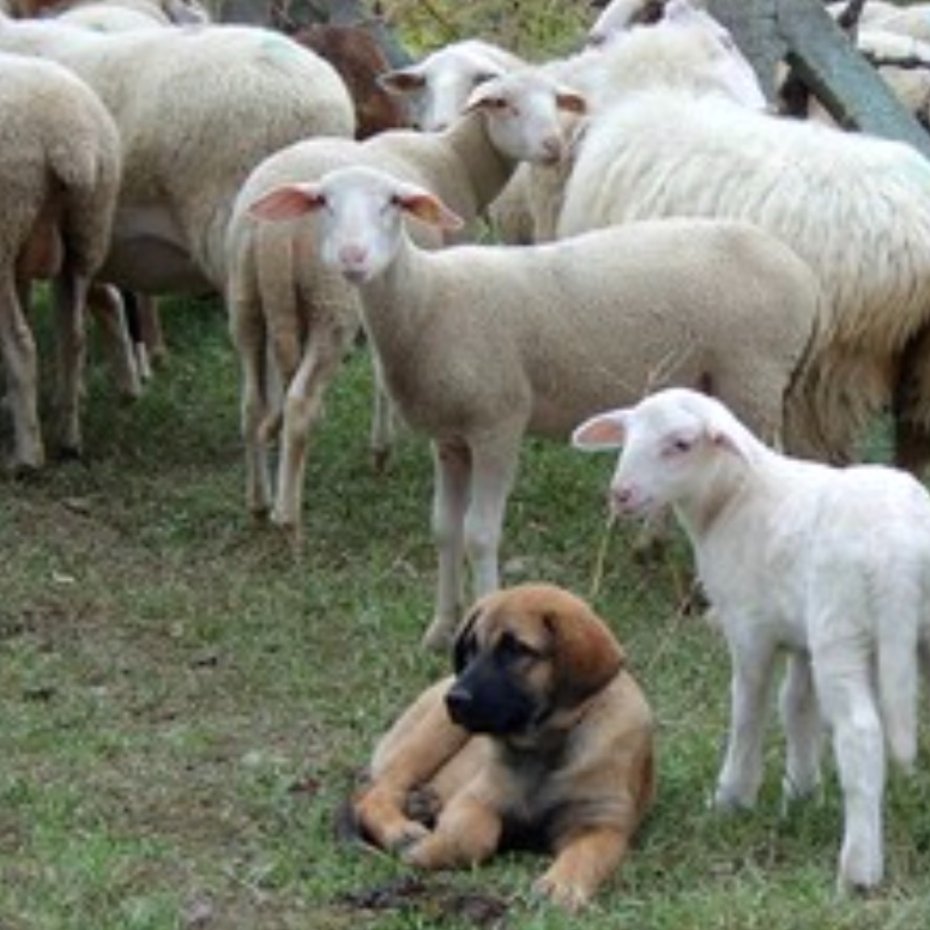
Immediately after weaning (2 months of age), the puppy should be placed with the cattle and remain with them at all times, avoiding any unnecessary contact with people (especially children) or other dogs. The dog should be kept with the cattle in a corral from which it cannot escape. A small compartment should be prepared in the cattle corral where the dog can retreat whenever the cattle become aggressive. This compartment should be designed so that the puppy can enter and exit freely, but the cattle cannot. Inside, the dog's food bowl should be placed. Water should be in a common area to promote contact between the puppy and the cattle. After a period of habituation to the cattle (never less than 15 days), the puppy can begin to accompany the cattle during grazing. This is the key to ensuring the dog accompanies the cattle on their movements and is always present if a predator tries to attack the herd. In regions where predator pressure is high, the dog should only begin to accompany livestock after 6‑8 months of age, when it has a greater capacity to defend itself.
Dog Development
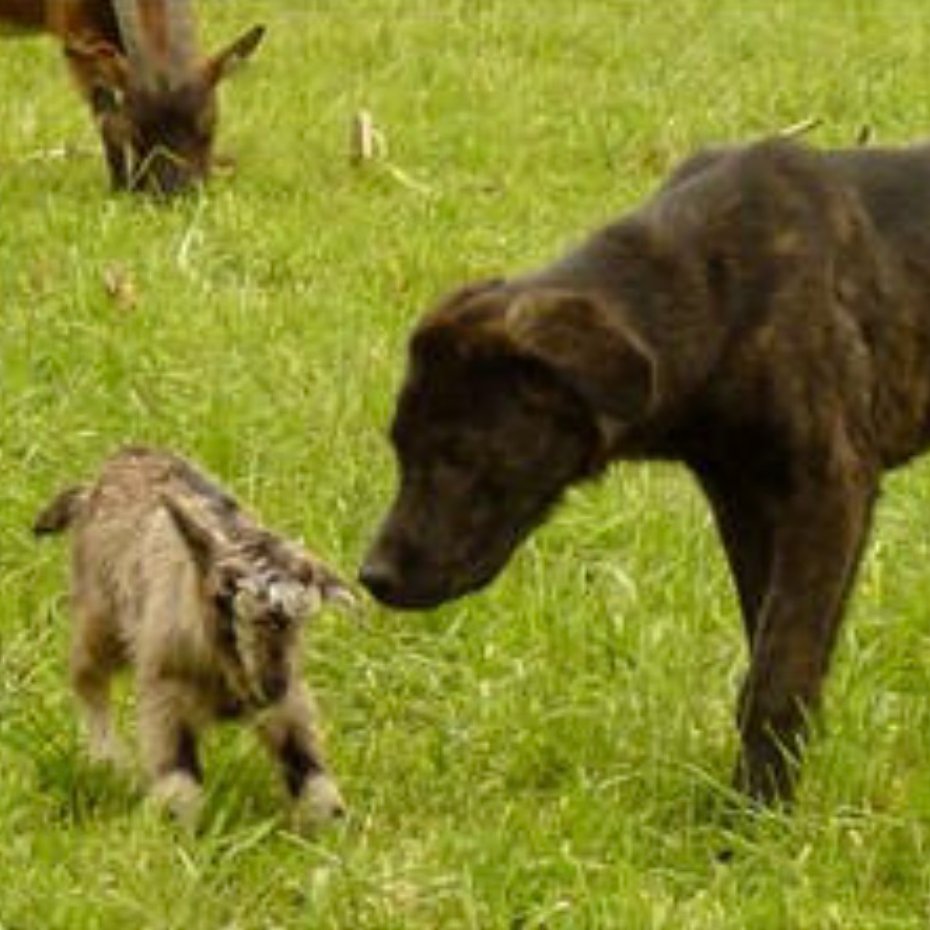
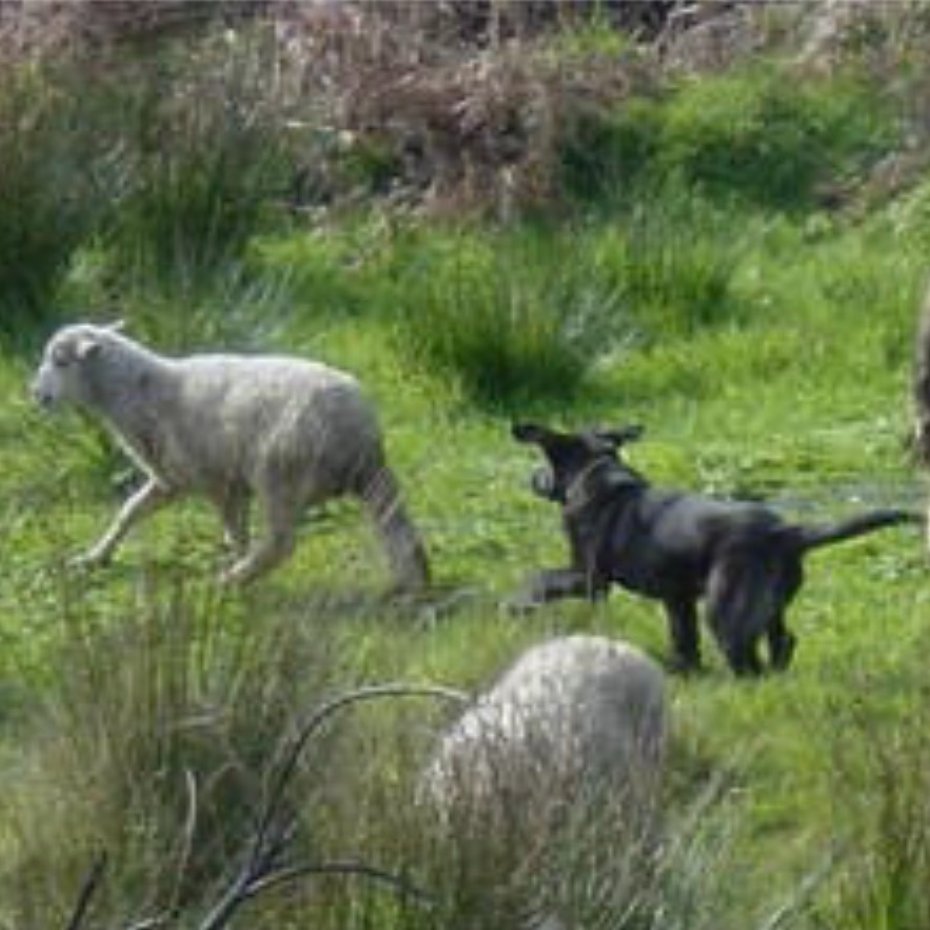
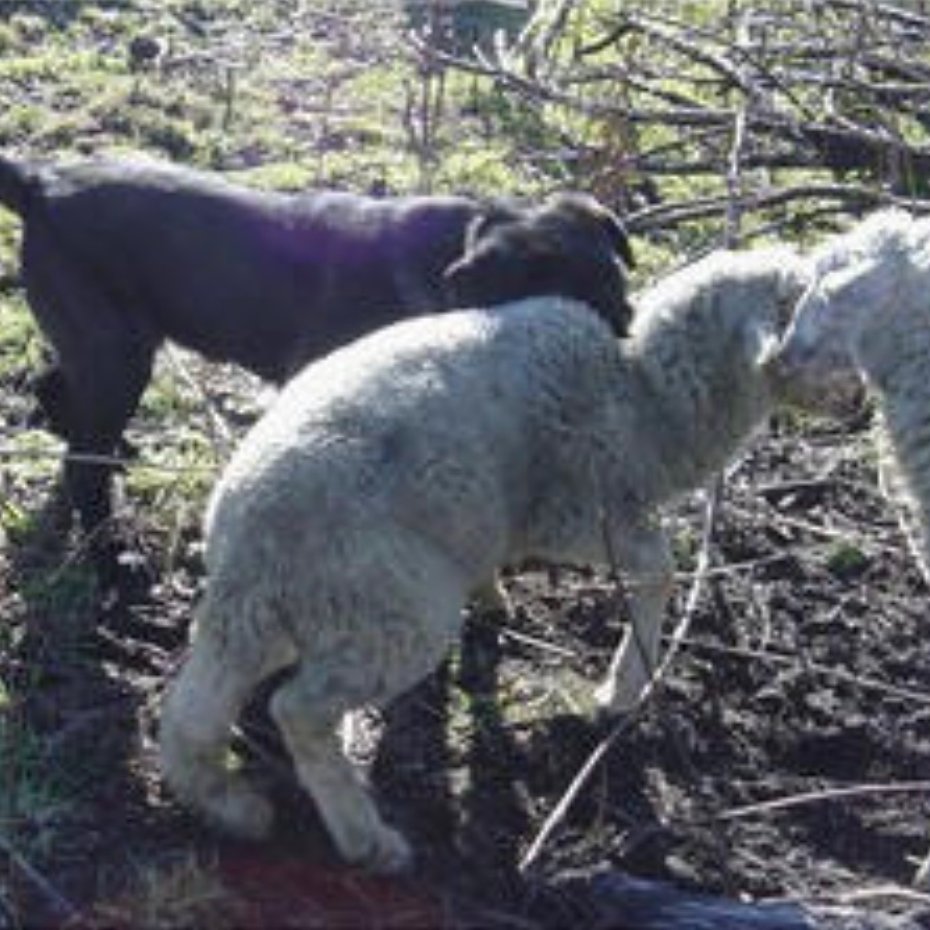
During its growth, a dog goes through different phases. A young dog, 5‑10 months old, may exhibit very playful and immature behavior and may make some mistakes. While playing, the dog may chase livestock, pull wool, or nip at the ears of lambs or kids. This behavior is undesirable and should be corrected to prevent it from becoming a serious problem. However, some lighter play can be tolerated as it is a social behavior that can strengthen the bond with the livestock. A juvenile dog cannot be expected to act like an adult dog, which is more confident and experienced. A livestock guardian dog only reaches maturity at one and a half to two years of age, and only then can it be known for sure whether or not it is an effective guardian. However, a good dog usually demonstrates its potential earlier.
Human Contact
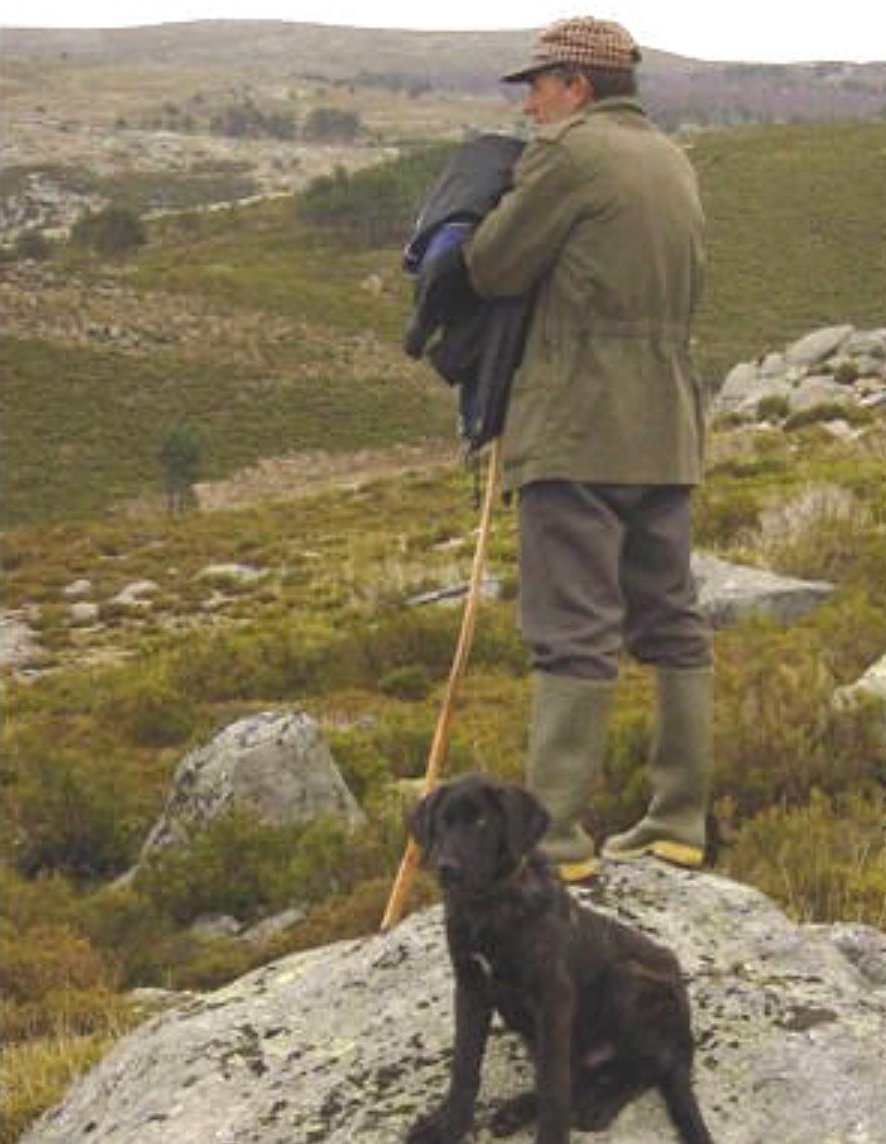
The level of contact with people depends on the dog's behavior.
For shy puppies, contact with people should be increased. However, we must bear in mind that excessive human contact will decrease the dog's bond with the livestock, causing it to abandon the livestock in search of human companionship.
On the other hand, too little human contact can cause the dog to become shy or fearful of people. These dogs are more difficult to handle, especially during a physical examination, and more difficult to control in the herd. They may also become more aggressive towards strangers.
Obedience Training
Any excessive or unnecessary obedience training can compromise the dog's effectiveness, as it will increase the bond with people at the expense of the bond with livestock. However, it is important that the dog understands the "No" command and stops what it was doing when the command is given. It should come to its owner when called by name, so that it is easy to catch whenever necessary. It is also helpful for it to be accustomed to walking on a leash, especially when it needs to be taken to the vet or kept chained during certain treatments.
Care to be taken in fenced pastures
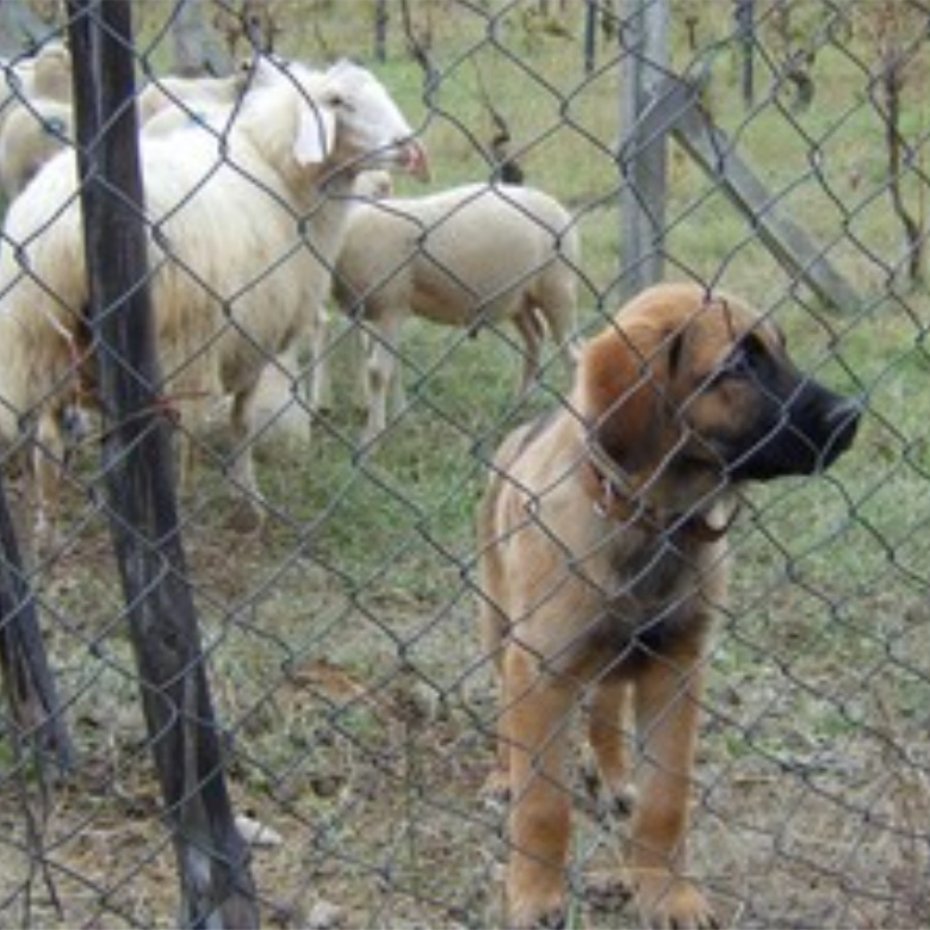
Dogs kept with livestock in fenced pastures should be visited daily to check if the dog is behaving correctly and remains with the livestock. These visits should also be used to check if the dog is developing well and if it is not sick. If it is necessary to feed the dog in the pasture, an automatic feeder can be used. This should be kept out of reach of the livestock; if necessary, a barrier should be built around it to prevent the livestock from eating the feed. Some type of shelter for the dogs in the pasture should also be provided. This can be important because some dogs consider this shelter and the surrounding area as their territory.
5. What are the characteristics of a good livestock dog?
Livestock Interactions
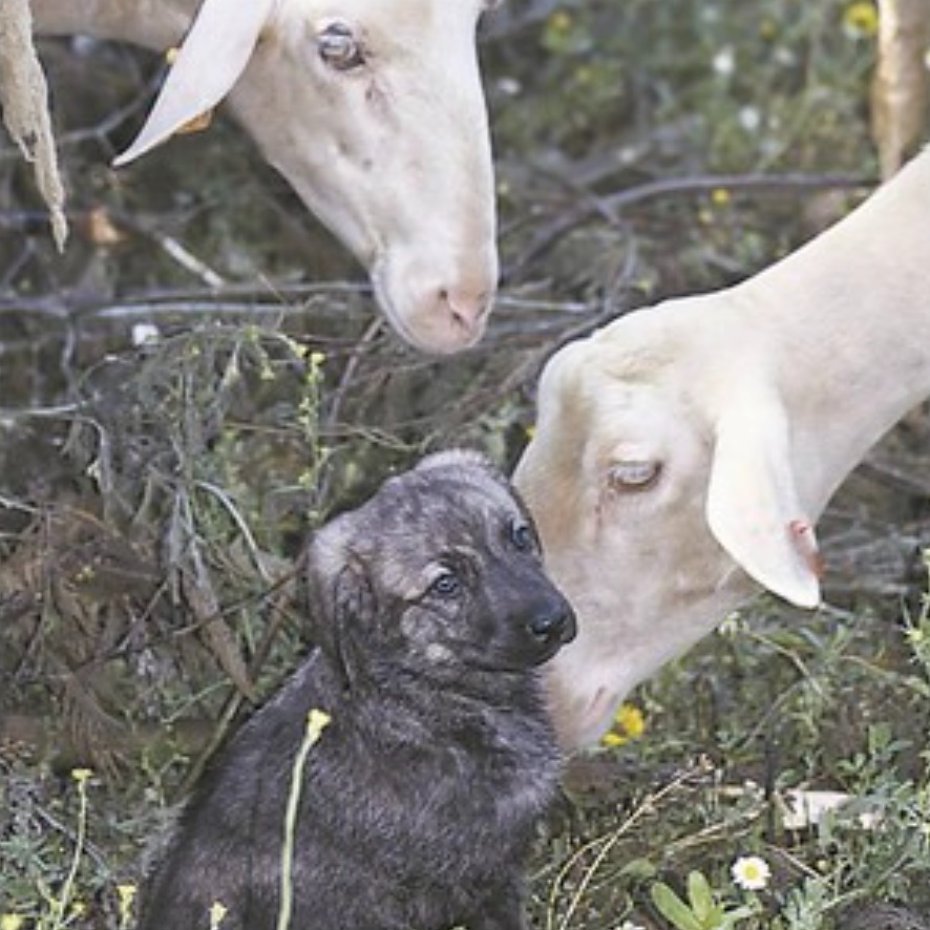
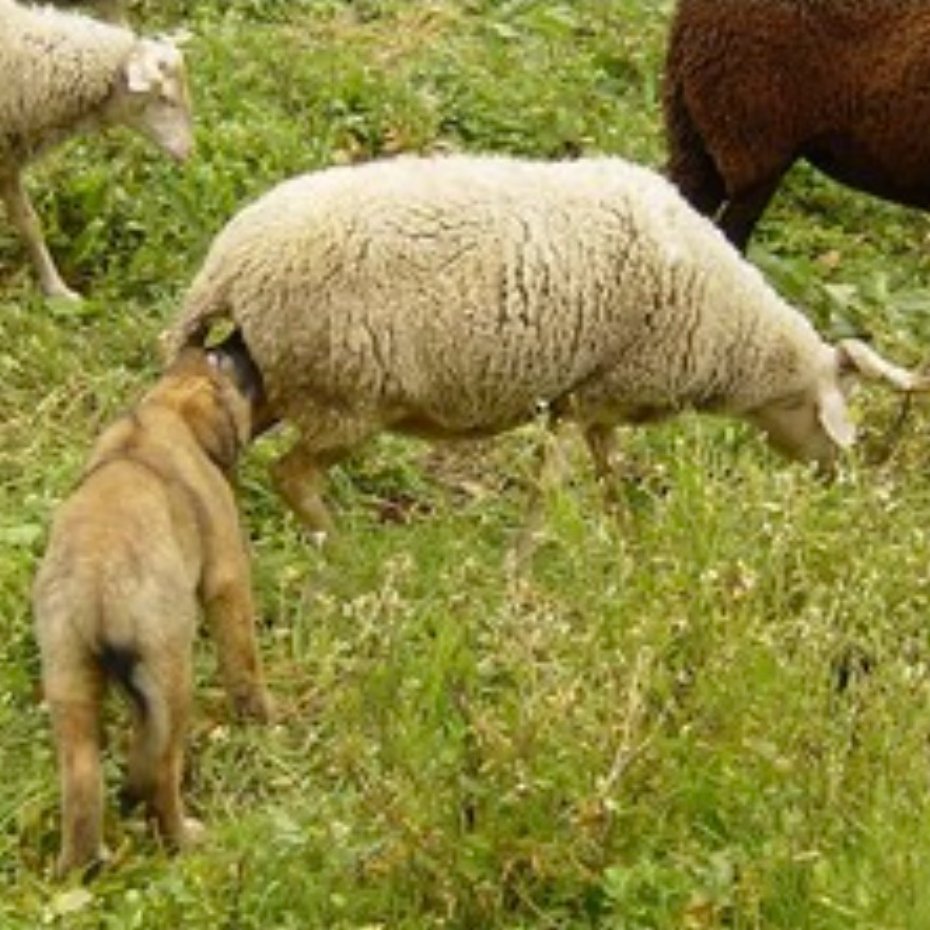
Livestock dogs exhibit social behaviors towards livestock (submissive and investigative behaviors, licking or sniffing the head or anal region) and do not demonstrate predatory behaviors. However, some adult dogs may protect their food or react to aggressive behavior from livestock by barking or, less frequently, lightly biting. Different breeds of livestock behave differently towards dogs, and therefore it is important that the livestock are also accustomed to the dog's presence so that they are not aggressive or afraid of the dog, fleeing from it and hindering its work. The introduction of new animals into the herd may provoke an aggressive reaction from the dog towards the unfamiliar animals. However, simple reprimands should be sufficient to stop the dog's behavior until it becomes accustomed to the new animals.
Livestock protection
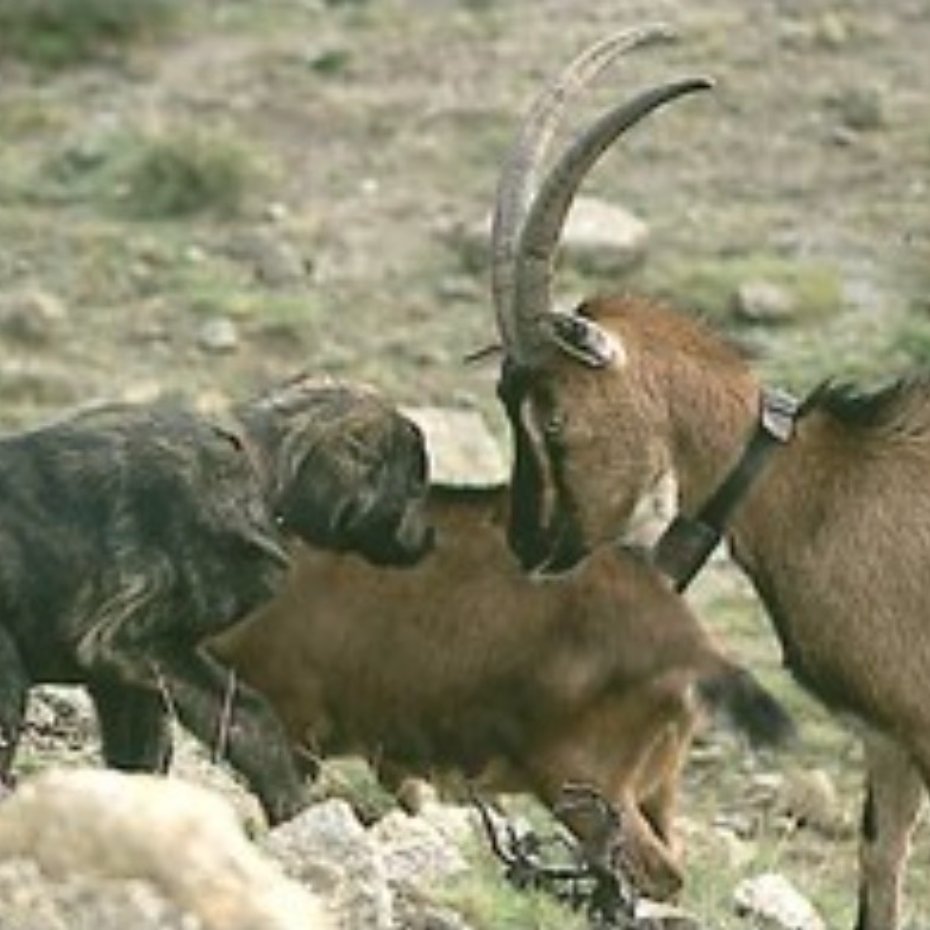
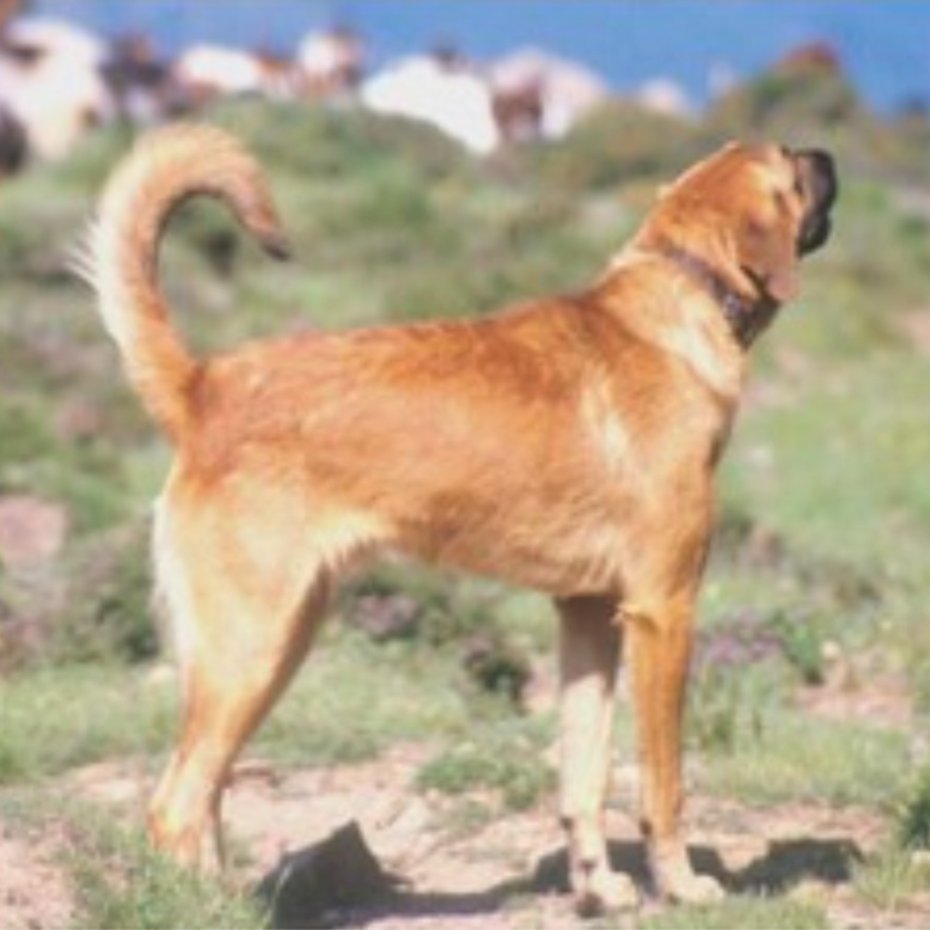
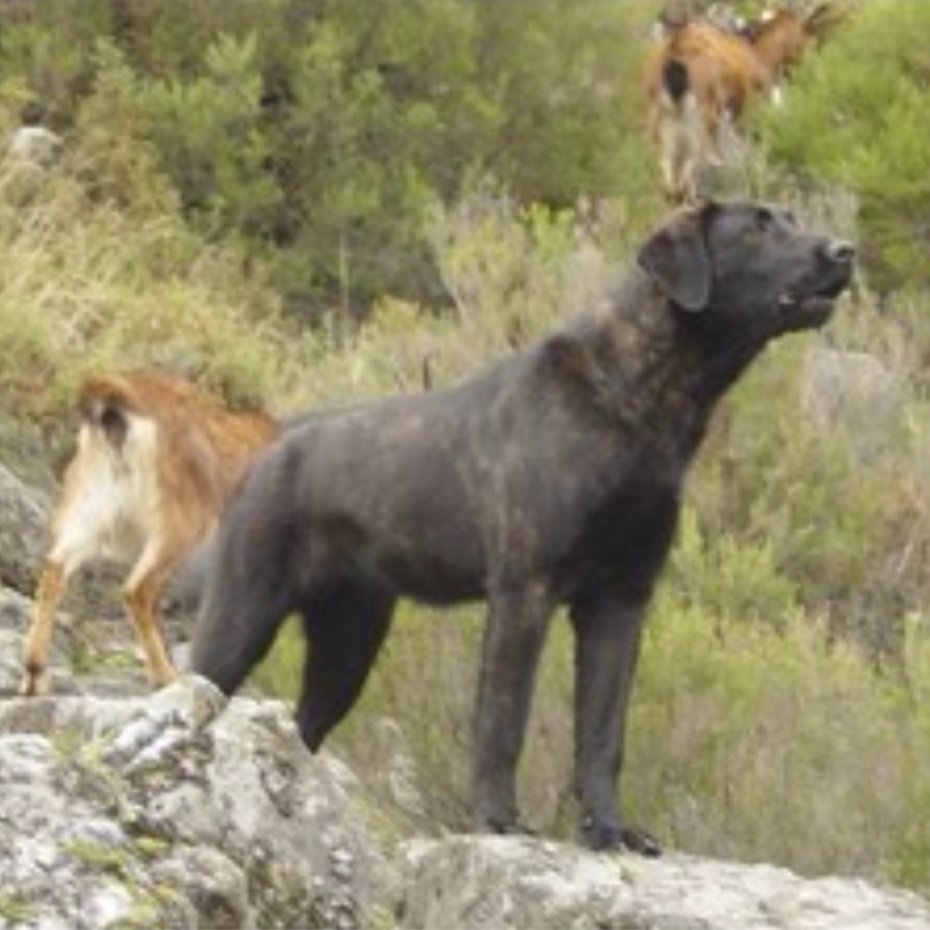
The livestock guardian dog investigates any unusual situation or approaching intruders, barking to alert the shepherd and confronting and chasing the intruders away from the herd. The mere presence of livestock guardian dogs in a herd can be enough to keep predators away, so the dogs can be effective even without confronting predators.
First encounters with predators
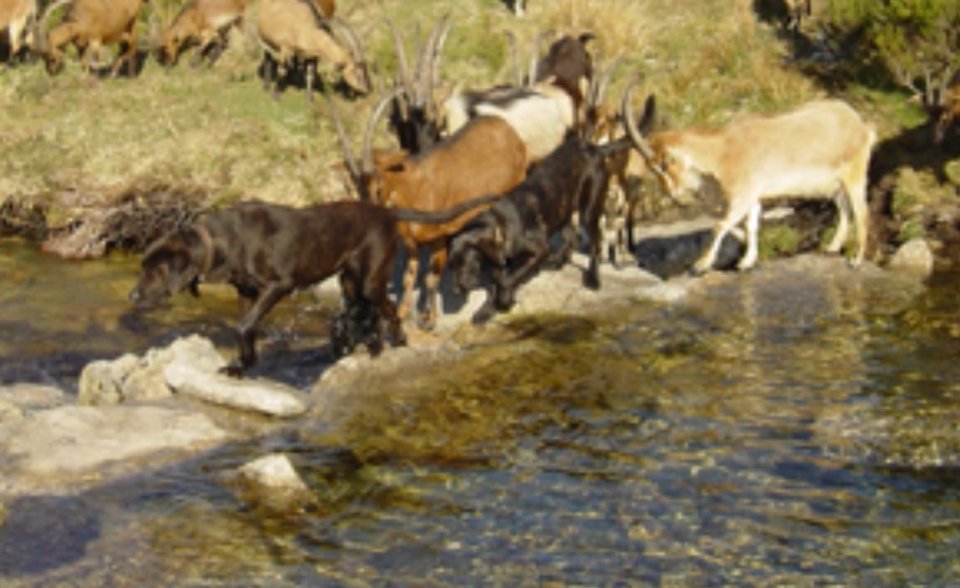
An inexperienced dog may react with insecurity or even fear in its first encounter with a predator, but in subsequent encounters, it will generally chase the predators away from the herd. Experience is necessary for any dog to be successful. Some dogs may be less effective at protecting livestock in the event of attacks by other dogs.
6. How many livestock dogs are needed?
The number of dogs needed to effectively protect a herd depends on several factors: the type and number of animals in the herd; the type and density of predators; the intensity of predation; the location and characteristics of the pastures; and the production system used. Flatter, more open pastures require fewer dogs than more rugged areas or those with denser vegetation. Larger herds or those that disperse more also need more dogs. For a medium‑sized herd (around 150‑200 animals), it is advisable to have 2 or more dogs, as they become more confident in a group and generally have complementary actions, thus being more effective. One should start with one dog and introduce another only when the first is well established, thus serving as a model for the younger dog. Raising several puppies at the same time can promote group behaviors (playing, chasing) that can cause injuries to the livestock. Having many adult dogs can also be a problem as it can lead some dogs to stray, moving away from the flock, or encourage undesirable group behaviors, such as increased aggression towards people who approach the flock.
7. How to evaluate the effectiveness of the livestock guardian dog?
The effectiveness of livestock guardian dogs is traditionally assessed by comparing the number of losses before and after their integration into the herd. However, this method is not always sufficient to reflect the dogs' true efficiency, due to the numerous factors that can influence predation (e.g., predator density, availability of alternative prey, livestock management practices). Thus, in addition to analyzing losses, it is important to have other methods that allow for the evaluation of the dog's performance and provide additional information, less dependent on environmental variables. One such method is the behavioral assessment of livestock guardian dogs according to the model proposed by Coppinger & Coppinger (1980), which defines three components for this type of dog: Attention, Trust, and Protection.
Owner satisfaction and their assessment of the dogs' performance are also of great importance in determining the actual success of the proposed measure.
One aspect to consider when evaluating livestock guardian dogs is that, although they can reach adult size and sexual maturity in less than 1 year of age, they only achieve psychological maturity at 1.5‑2 years of age. Before that time, a dog should not be expected to effectively defend the herd, as its behavior is still essentially juvenile. Therefore, the evaluation should only be carried out after the dogs have reached that age.
For more information, please refer to the report "Procedures for LGD Selection, Integration, Monitoring and Evaluation" (coming soon).
8. How to correct inappropriate behavior?
It's difficult to generalize how each dog will react to a new experience. Each situation must be evaluated by the owner and resolved appropriately. However, immediate action should be taken to prevent inappropriate behaviors from being reinforced and becoming more difficult to correct. In many cases, it is enough to shout the dog's name or the word "No" or throw something in the dog's direction (being careful not to hit it) to distract it from what it was doing and stop the behavior. In other cases, it may involve small adjustments to how the dog is being raised. It should be noted that even dogs that have behaved well previously can sometimes make mistakes in similar situations.
Excessive playfulness
When a dog excessively chases or is aggressive towards livestock, it is important to act immediately to correct the behavior. Grabbing and shaking the dog by the scruff of the neck while shouting "No" can be an effective correction. To control excessive playfulness, you can place the dog with the adult animals in the herd that are less tolerant of the dog's playfulness. Another alternative is to temporarily separate the dog from the herd in a compartment with the livestock. To confirm that the behavior has stopped, place the dog with the livestock, but under supervision.
First lambing season for livestock
The curiosity and childlike behavior typical of puppies or young dogs can be harmful to newborn lambs or kids, so special attention is needed at this time. If problems arise, the dog should be separated during the lambing season and kept with animals that are not giving birth.
Chasing game
Some dogs may chase game (rabbits, partridges, wild boar). This behavior should be discouraged if the chase continues over a long distance, as it is illegal and takes the dog away from the flock it is supposed to protect. The dog should be corrected and called back to the flock.
Aggression towards livestock and strangers
Some dogs may chase or be more aggressive towards unfamiliar livestock or people approaching the herd. This behavior should be corrected immediately by calling the dog or interrupting its behavior and, if necessary, reprimanding the dog. In situations that may lead to this behavior, such as crossing a town, dogs can be kept close to the shepherd, leashed, or even muzzled.
Leaving the flock and wandering
If socialization with livestock has been done well, the dog will prefer to stay near the flock. In the pasture, the dog can explore the surrounding area, but should return to the flock after a short time. If it does not return, it should be called or brought back and encouraged to stay with the flock. It can also be "chased" back to the flock whenever it strays too far. An appropriate command ("Stay" or "Stop the Cattle") can be given whenever the dog should stay in the pasture or when it is being sent to the flock. This procedure should be repeated as many times as necessary. If this does not work, the dog can be chained in an area of the pasture near the flock (with water and food) for some periods, until it gets used to staying with the flock. In some cases, neutering the dog may be a solution because it can reduce wandering behavior in both males and females. Neutering does not significantly alter the effectiveness of dogs.
9. What precautions should be taken with a livestock guardian dog?
Buying and raising a livestock dog is a significant investment of time and money, so it's important to look after their well‑being. Livestock dogs are subject to a large number of dangers that can cause their premature death, especially in the first years of life. The main causes of death, such as diseases and accidents, can be easily avoided.
Health
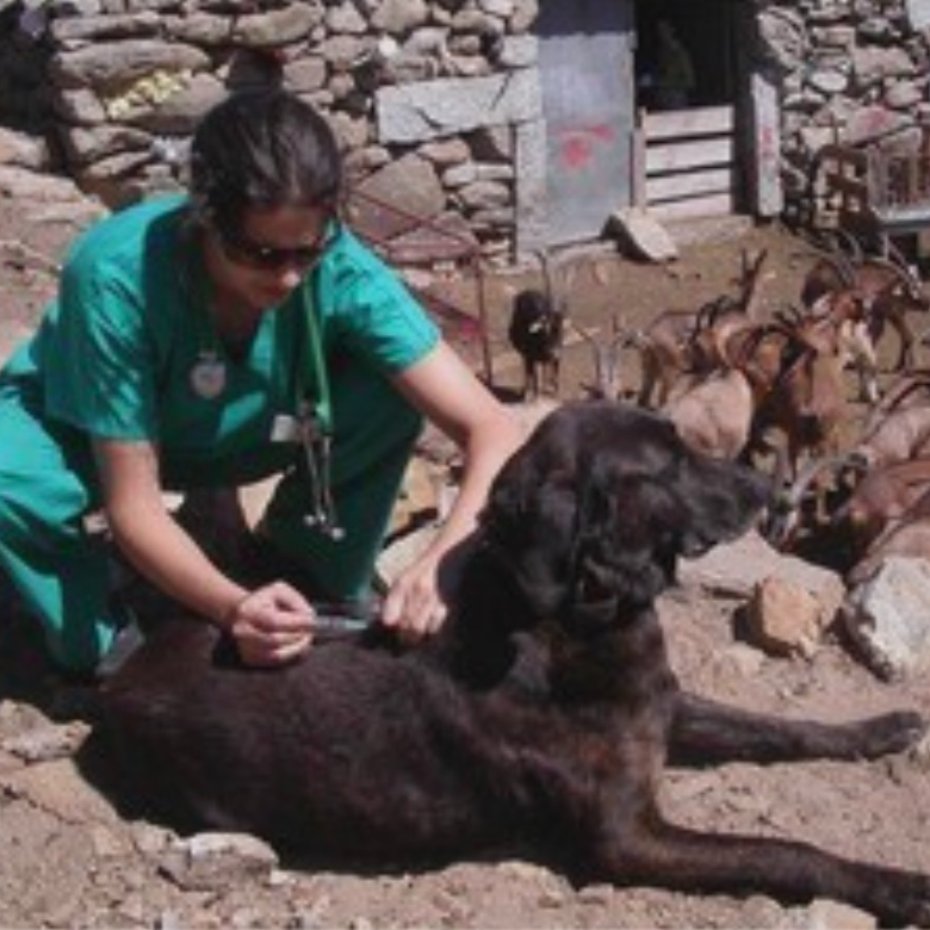
To reduce the risk of disease, the owner should keep the dog's vaccination and deworming schedules up to date and provide all necessary veterinary care, using an experienced veterinarian. The dog should be examined frequently for cuts or abscesses and checked for foreign objects or infections in the mouth, nose, or ears. Owners should also be alert to any changes in the dog's behavior, eating habits, or difficulty moving, investigating the cause immediately. Dogs should not be allowed to eat the remains of dead animals or placentas, as these can transmit diseases.
Feeding
Livestock dogs expend a great deal of energy, so it's important that they have access to adequate food and clean water to work properly. Their diet must be balanced for proper development. A dog's nutritional needs are very different from ours and vary depending on age, size, health status, physiological state, and activity level. It's important that a puppy has a balanced diet adjusted to its growth, as it will grow as much in its first year of life as humans do in 14 years. Nursing bitches or dogs that exercise a lot should have a diet rich in protein and energy. Whatever the type of food, it's essential that the dog always has access to clean, fresh water.
Advantages of commercial dog food
It is very difficult to achieve the correct balance between the basic components of a dog's diet. A good commercial dog food contains all the nutritional qualities that a dog needs, is more practical and hygienic, and also makes it easier to control the correct amount of food. Because commercial dog food has low moisture content, the dog needs more water than usual.
Safety
Keep your dog away from roads or control it when it has to cross them, and be alert to the presence of poisons or snares. You should alert your neighbors and hunters to the presence of your dog, which should be properly identified with a collar.
10. What are the responsibilities of the owner of a livestock guardian dog?
According to the law, owners are responsible for the identification, registration, and licensing of their dogs, as well as for any damage they cause. Therefore, it is important to be informed and legalize your dogs to avoid future problems.
Identification
All dogs must be identified with a collar bearing the owner's name, address, and telephone number (Decree‑Law No. 314/2003). However, these collars can be easily lost in livestock guardian dogs, so it is advisable that the dogs also be electronically identified. This identification has been mandatory by law for some types of dogs, such as hunting dogs or dangerous or potentially dangerous dogs, since July 1, 2004, and will be mandatory for all dogs, including livestock guardian dogs, born after July 1, 2008 (Decree‑Law No. 313/2003).
Electronic identification is done by a veterinarian inserting a microchip under the skin on the left side of the dog's neck through a simple injection with a specific needle. The microchip is a sophisticated electronic circuit, the size of a grain of rice, containing a unique code number for each dog, which will remain with it for life and is detected with a specific reader placed near the skin. It should be implanted between 3 and 6 months of age (along with the first vaccinations), and is easily accepted by the body. It is a safe and useful method that allows for permanent identification of the dog and confirmation of ownership in case of loss or theft, unlike when the animal is only identified by a collar, which, as mentioned, can be easily lost or removed. After the microchip is implanted , the dog's and owner's data are sent by the veterinarian to a national database, the Canine and Feline Identification System (SICAFE), which compiles the identification of all animals. The veterinarian must complete a registration form in triplicate and affix labels with the animal's identification number to each form, as well as to the dog's Health Record. The original and duplicate of the registration form are given to the dog's owner, while the triplicate remains with the veterinarian. The duplicate must then be submitted to the Parish Council of the owner's area of residence when registering the dog.
Rabies Vaccination
Rabies is a zoonotic disease, meaning it can be transmitted to humans through contact with canines, such as dogs. It is caused by a highly contagious and deadly virus. Due to its high danger to humans, the anti‑rabies vaccine is the only legally mandatory vaccination. Livestock dogs must be vaccinated against rabies from 3 months of age during the annual anti‑rabies vaccination campaigns, announced in a public notice published by the Parish Councils (Decree No. 81/2002).
Registration and licensing
Are mandatory by law (Decree No. 421/2004) for all dogs between 3 and 6 months of age and must be done at the Parish Council of the area where the dog owner resides.
The license must be obtained when the dog is registered and renewed annually. To license the dog, it is necessary to present the Vaccination Record, which must include proof of vaccination against rabies, the only mandatory vaccine, and (for dogs born after July 1, 2008) submit a duplicate of the registration form relating to the dog's electronic identification.
Livestock guardian dogs must be registered in category B – Dogs for economic purposes, and it is necessary to sign a declaration of the assets that the dog guards, such as: a herd of goats or sheep. Proof of licensing must be provided in the Vaccination Booklet by means of a sticker or stamp from the Parish Council on the page provided for this purpose.
The owner is also required to notify the Parish Council of the dog's death or disappearance, so that the registration can be cancelled, and also if a change of ownership occurs.
Civil Liability
According to the law, owners are responsible for all damages caused by their dogs. These damages can sometimes be substantial (e.g., damage to vehicles or injuries to other dogs), so it is advisable to take out Civil Liability Insurance. Some insurance companies offer this type of insurance for animals, which only requires the payment of a small annual fee.