


Research and Conservation
One of the factors that most contributes to conflicts between rural communities and the presence of wolves is the damage they cause to livestock. In Portugal, this situation is particularly evident due to the scarcity of the wolf's natural prey, wild deer. As a result, this predator feeds almost exclusively on domestic animals. This situation leads to intolerance towards wolves and their persecution by rural communities, which has placed this species in danger of extinction in our country.
Due to this threat, a specific law was created for this predator, the Iberian Wolf Protection Law (Law 90/88 and Decree‑Law 139/90). As one of the measures for the conservation of this predator, the law stipulates the payment of compensation to livestock farmers for losses attributed to the wolf. This payment is made by the Institute for Nature Conservation and Forests, throughout the wolf's distribution area, through the Protected Areas responsible for verifying predation situations after complaints from livestock farmers.
However, this measure is insufficient, as it is a passive measure that will not contribute to reducing the root cause of the conflicts. It is necessary to develop practical measures that effectively contribute to reducing predation on domestic animals and minimizing the resulting economic losses. The implementation of livestock production and protection systems that are compatible with the conservation of endangered predators is therefore an essential condition for coexistence with humans to become a reality.
With the recognition of the importance of biodiversity conservation, it becomes necessary to develop agricultural and livestock production that takes environmental conservation into account. While the European Union subsidizes animal production in traditional ways and the recovery of native breeds, it also supports the development of studies and measures that allow the recovery of endangered species, such as the wolf.
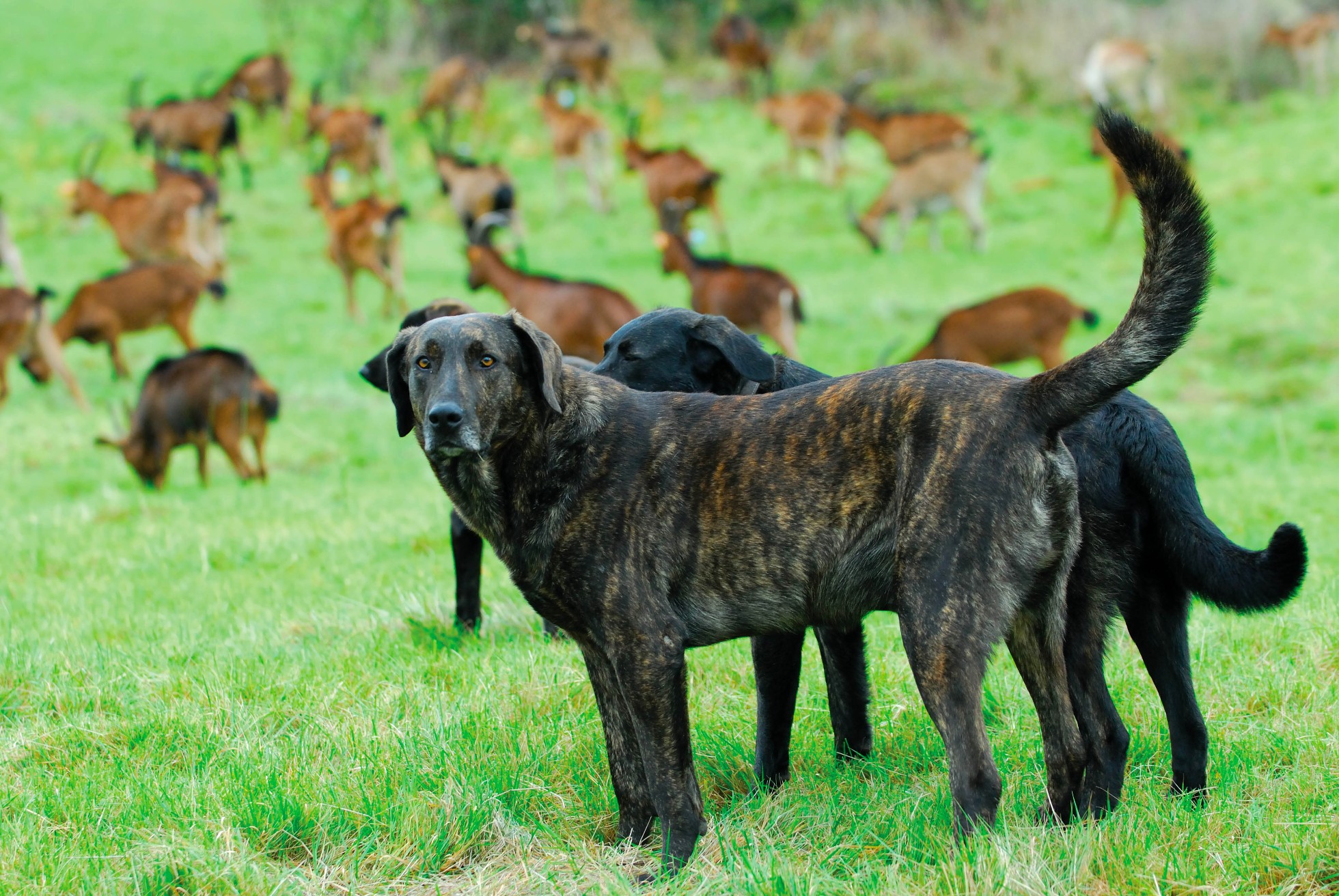
As a method of protection, the livestock guardian dog stands out for its widespread use and ability to adapt to different grazing situations and traditional livestock management. However, the correct use of these dogs has been decreasing, which contributes to an increase in the number of losses.
The lack of interest in livestock guardian dogs, in their original function, has also led to a decrease in the number of specimens of each breed, which is contributing to an increase in the degree of inbreeding and a decrease in the genetic variability of the breeds, with negative consequences for individual viability and reproductive characteristics, such as fertility and fecundity.
In recent decades, the use of livestock guardian dogs has been revived, or introduced, in several countries around the world, as it constitutes a practical and effective way to reduce the economic losses resulting from attacks caused by predators, especially in regions where these are threatened, as is the case with wolves in most European countries.
This appears to be a good solution to reduce conflicts that may arise between livestock production and the presence of wolves, increasing tolerance towards this major predator of our fauna and allowing its conservation for future generations.