
The Iberian Wolf
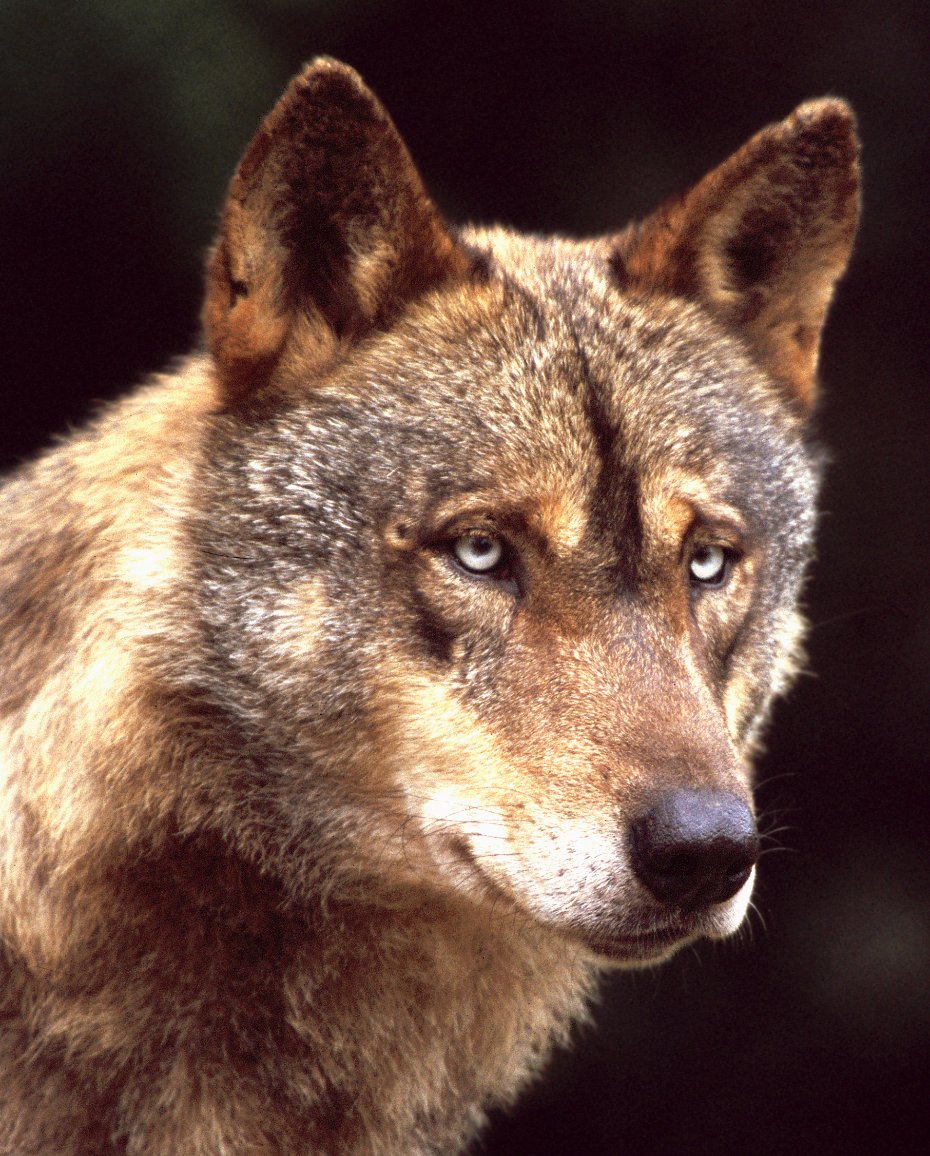
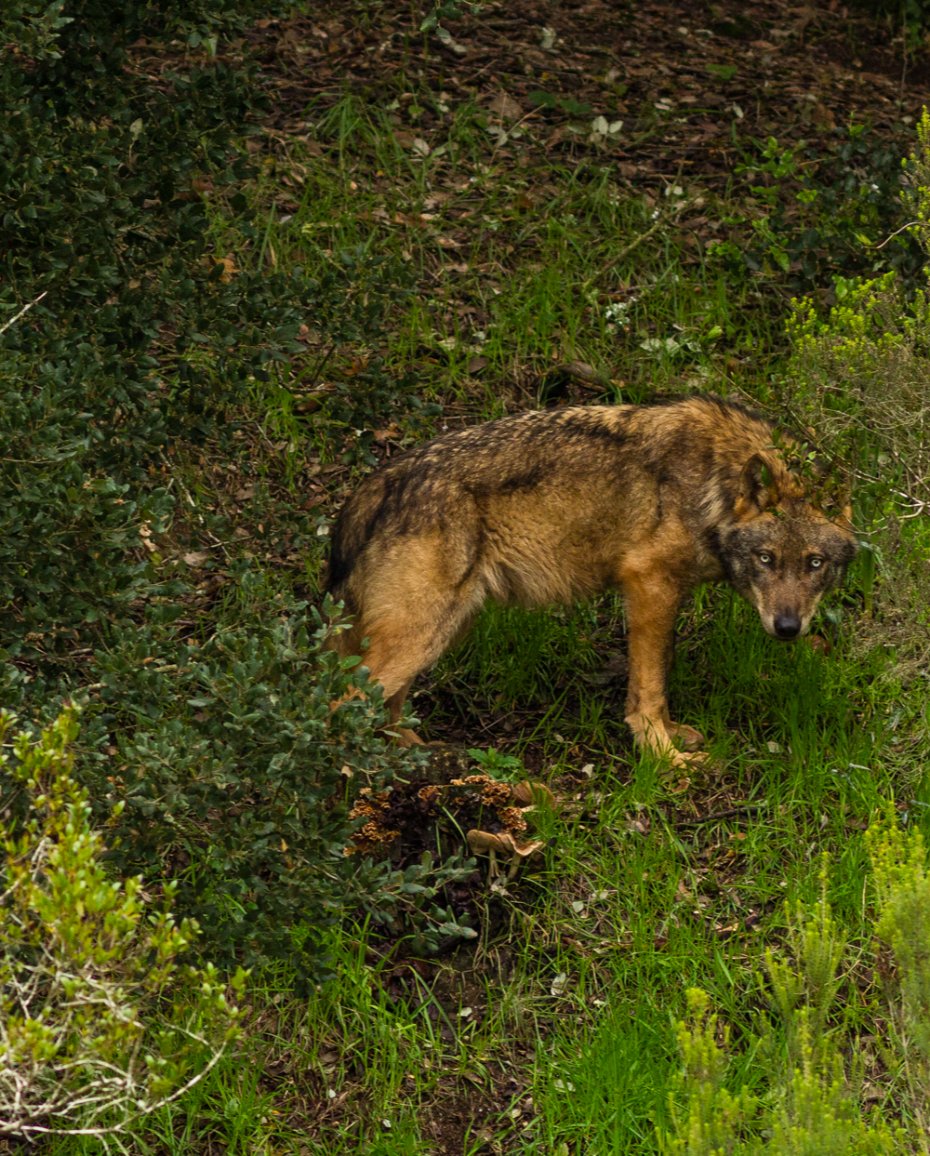
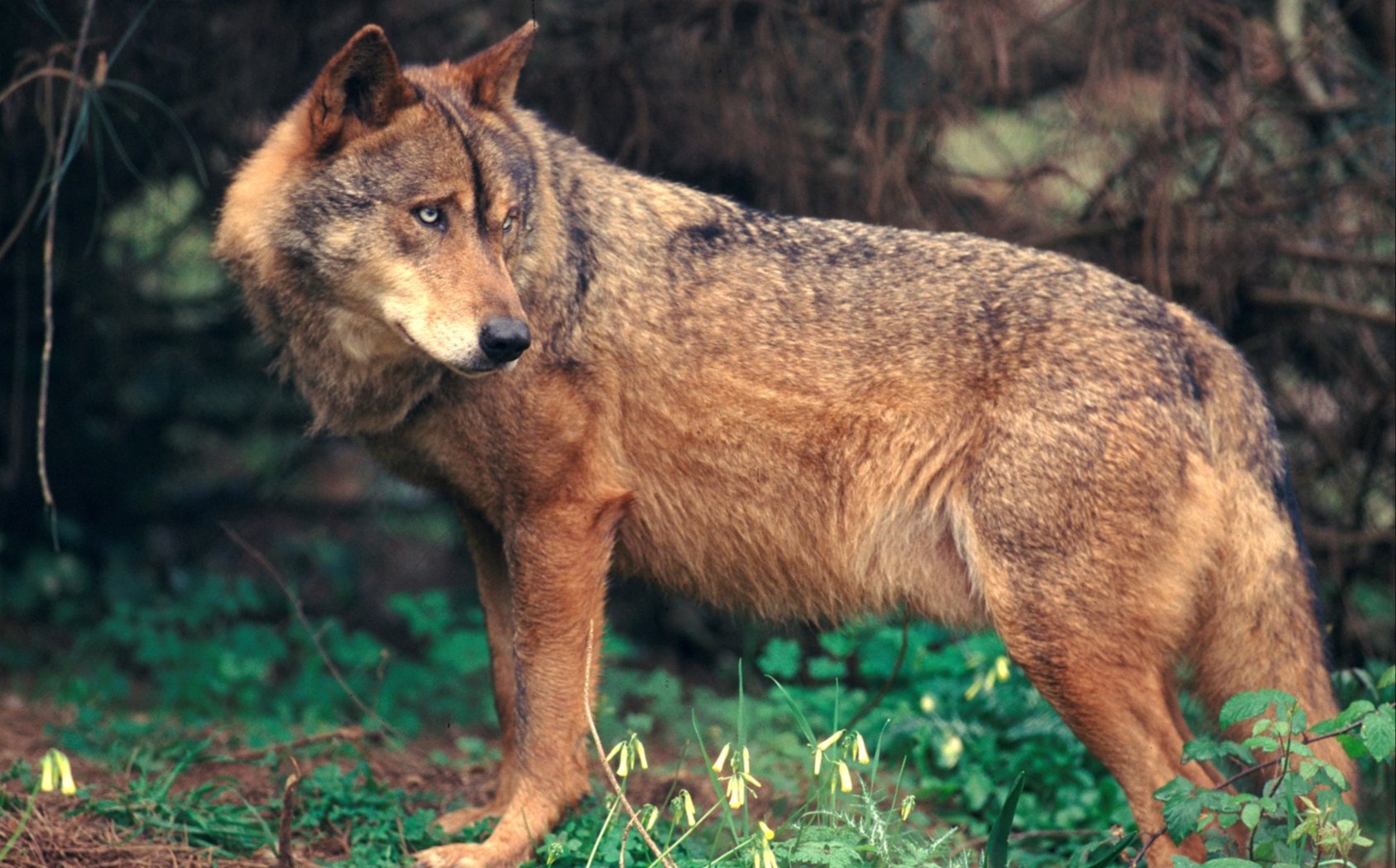
The Iberian Wolf, the subspecies that inhabits the Iberian Peninsula, has the scientific name Canis lupus signatus and was described in 1907 by the Spanish zoologist Angel Cabrera. It differs from the wolf that inhabits the rest of Europe essentially by being smaller and by the coloration of its fur, which is more yellowish‑brown. In addition, it has stronger colors and a different color pattern on its face and muzzle.
Classification
- Common name: Iberian Wolf.
- Scientific name: Canis lupus signatus.
- Classification: carnivorous mammal, from the canid family.
Morphology
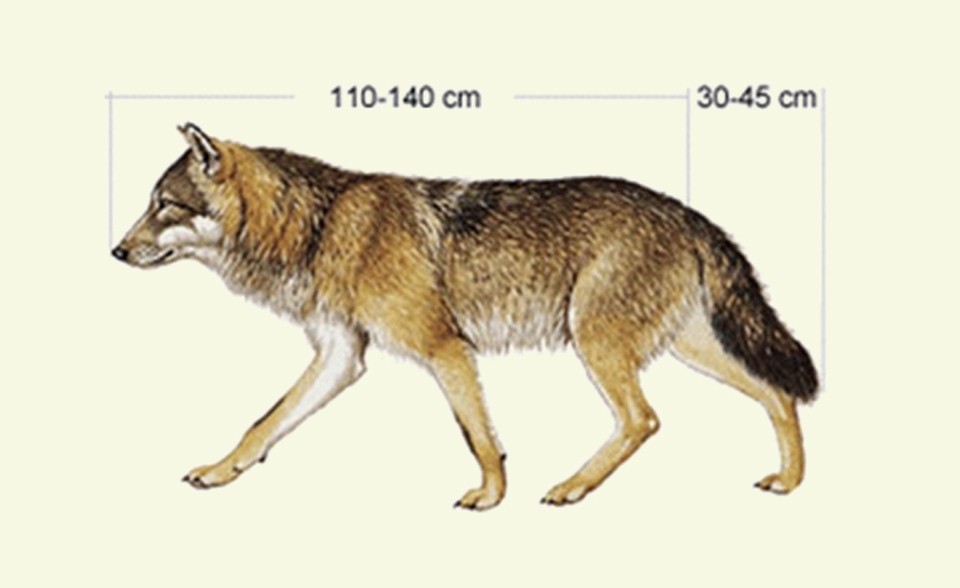
- Height at the withers: between 60 and 70 cm.
- Total length: between 140 and 180 cm.
- Weight: male – 30‑40 kg | female – 25‑35 kg
- Morphological characteristics: large, massive‑looking head; stiff, triangular, and short ears; forward‑set, oblique, and topaz‑colored eyes; strong and robust limbs. They lack a fifth toe on their hind feet.
- Coat: varies from almost whitish on the ventral area, to brown on the trunk, passing through reddish‑brown on the muzzle and dirty gray/white on the throat, up to the cheeks. On the back there is a black stripe that runs from the withers to the tail. The coloration of the limbs varies between brown, beige and ochre, exhibiting very well‑defined black stripes longitudinally in the region of the forelimbs. The coat varies seasonally, appearing longer, denser and gray in winter, and shorter, sparse and brownish in summer.
Ecology
Social organization
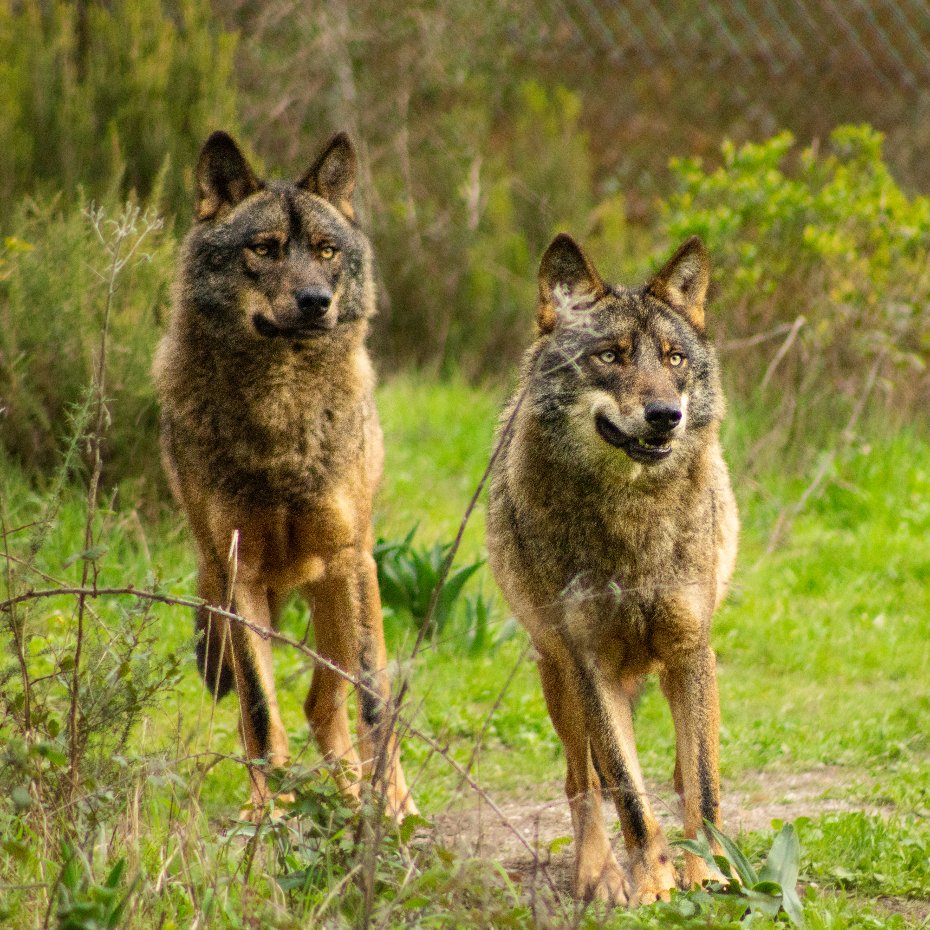
Wolf pack: a basic social unit, formed by the dominant pair and their offspring, with a well‑defined hierarchy.
Number of individuals: varies between 2 and 10, depending on the time of year. This number depends on the available space, prey, and the number of wolves in the population. The number is at its minimum in winter, before the breeding season, as a result of the dispersal or mortality of juveniles from previous litters; the number reaches its maximum at the end of summer, beginning of autumn, including the pups born that year.
Reproduction
Breeding season: once a year (March – April), with the young being born in May – June.
Female reproductive period: 5‑7 days.
Gestation: approximately 2 months.
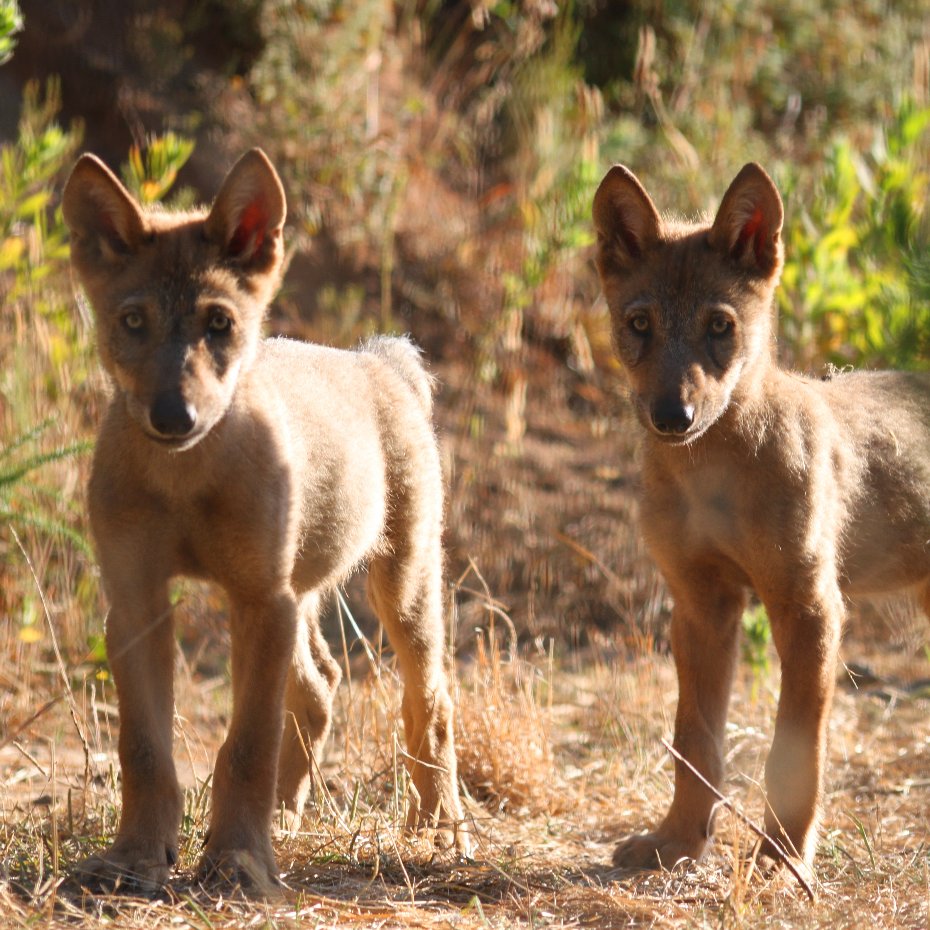
Average number of pups per litter: 5, with a minimum of 1 and a maximum of 11 pups.
Maturity: between one and a half and two years old, at which point they can leave the pack in search of a new territory and a partner.
Food
Daily energy requirement: approximately 3‑5 kg, however, it can go several days without eating.
Diet: generalist predator, consuming everything from small rodents to large mammals.
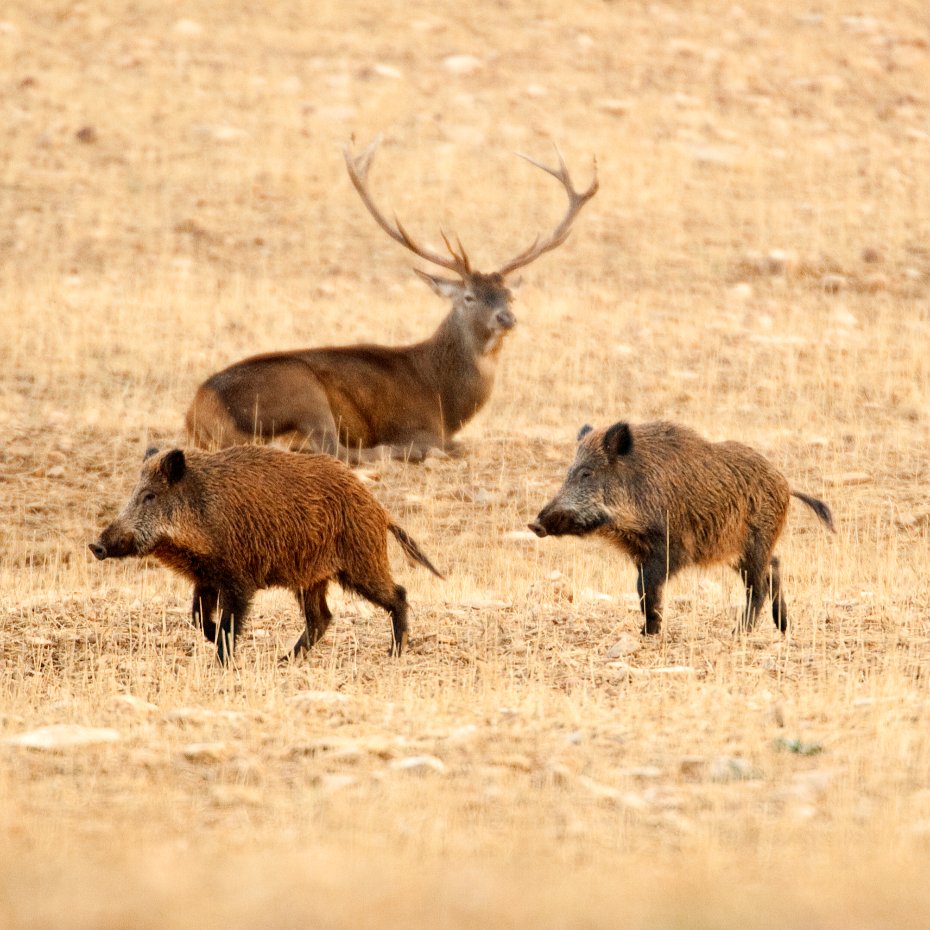
Preferred prey: wild ungulates, such as roe deer, red deer, and wild boar. However, due to habitat destruction and the scarcity of its wild prey, it is forced to feed on domestic ungulates. It may also feed on the carcasses of other animals (scavenging).
Conservation Statute
- Iberian Peninsula: Near Threatened (NT)
- Portugal: In Danger (EN)
Legal Protection
International
- Bern Convention: strictly protected species.
- Habitats Directive: priority species.
- CITES: potentially endangered species.
National
- Law on the Protection of the Iberian Wolf (Law No. 90/88 of August 13 and Decree‑Law 54/2016 of August 2): strictly protected species in Portugal.