

Other Methods
The need to protect domestic animals from predators is based on ancestral knowledge that, shaped by the coexistence between humans and predators, has produced different effective and sometimes very original methods of handling and protection. Livestock guardian dogs are one of the most widely used methods, but there are others that are equally important and complement the protection provided by dogs. These methods can range from the simple nighttime confinement of livestock, using structures that prevent predator access, to the use of devices or other guard animals that scare the predator and keep it at a distance.
However, with the disappearance of predators and the decline in pastoralism, many of these methods have fallen out of use, and there is a risk of losing the knowledge of how they were used. Recovering this knowledge is of great importance, as it can be very useful for developing new protection methods or improving those currently in use.
One of the activities carried out by the Lobo Group consists of collecting information, both nationally and internationally, on old and current methods of protecting domestic animals, through bibliographic research, oral interviews, surveys, and contact with foreign researchers.
It is important to bear in mind that no method can completely prevent predation, but only contribute to its reduction. Therefore, complementary methods should be used that guarantee increased protection, but which are appropriate to the existing conditions, namely the type of herd and the management and grazing used, the environmental conditions, and the species and densities of existing predators.
- Presence of the pastor
- Lockdown
- Cattle handling
- Cattle bells and collars
- Ropes and flags
- Scarecrows
- Electrical fences
- Sounds
- Lights
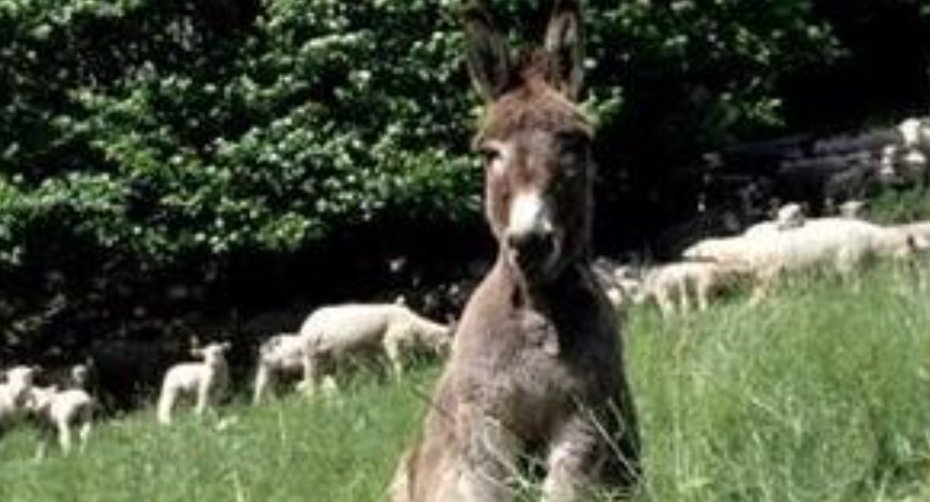
- Donkeys
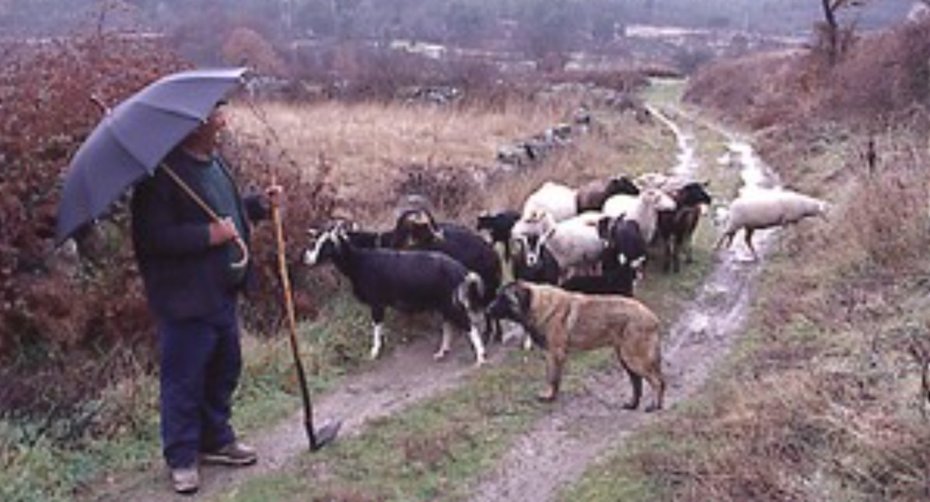
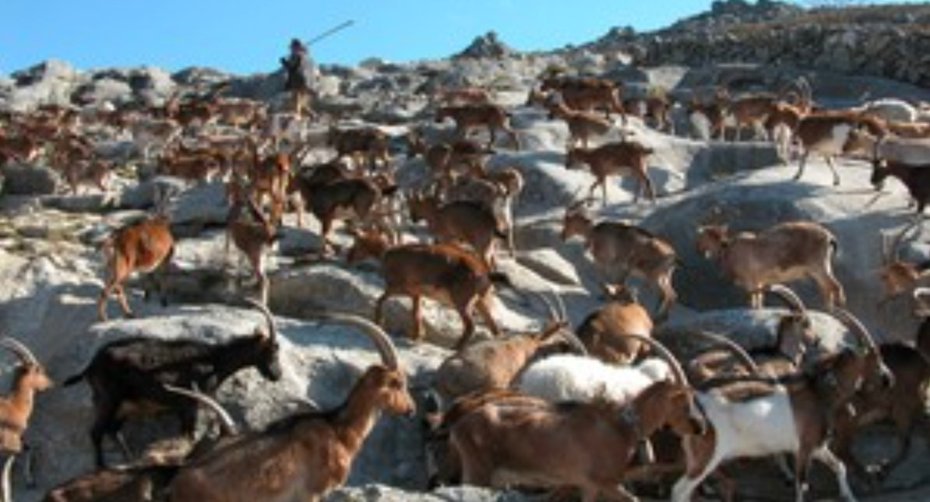
1. Presence of the pastor
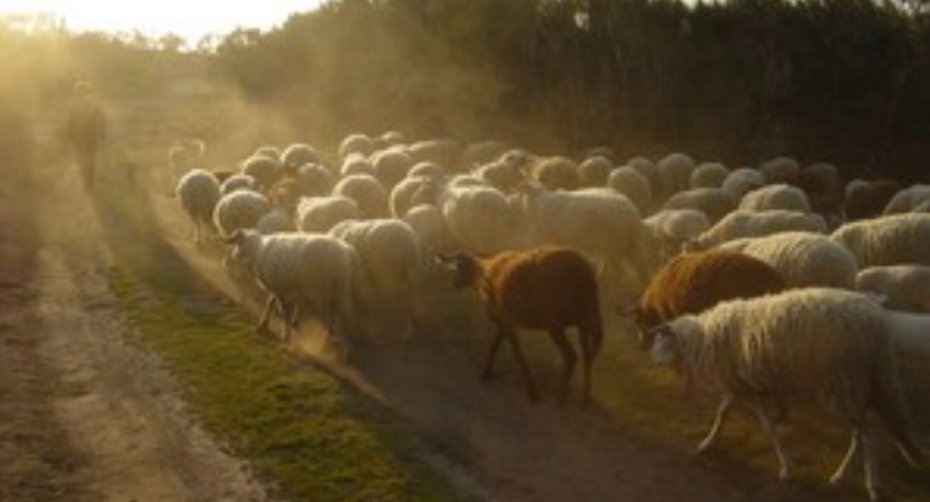
The presence of a shepherd is essential for the protection of a flock. The shepherd can help reduce the risk of predation by preventing the animals from scattering and choosing more open paths and pastures, where the likelihood of predators attacking is lower. During an attack, the shepherd's actions are also important in driving away the predator, assisting the livestock guardian dogs, and regrouping the flock, leading it to a safe location.
2. Confinement
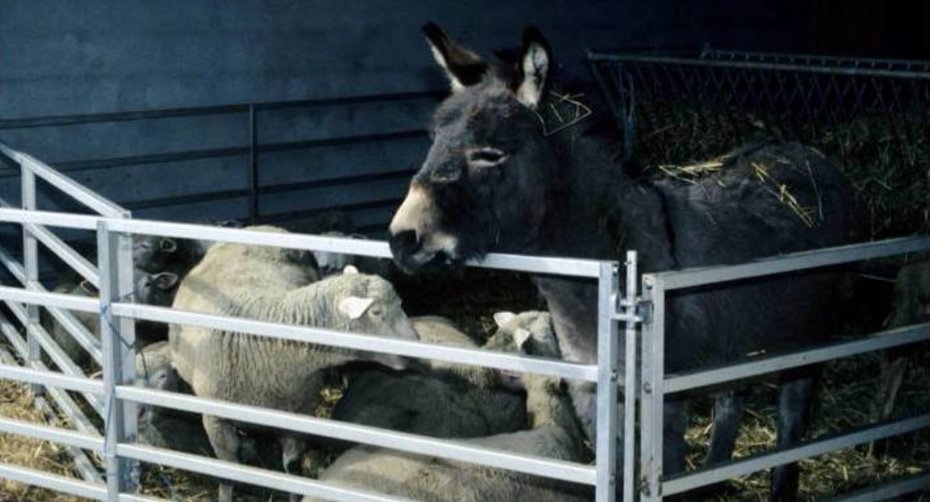
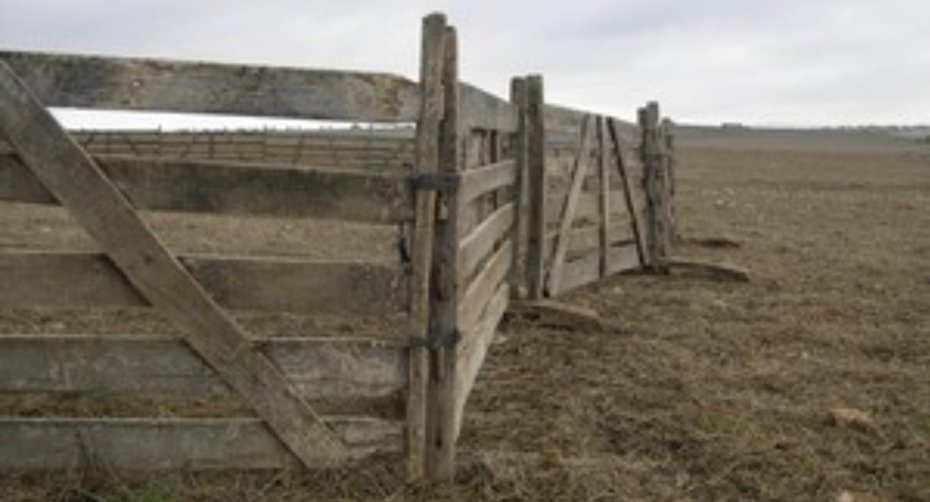
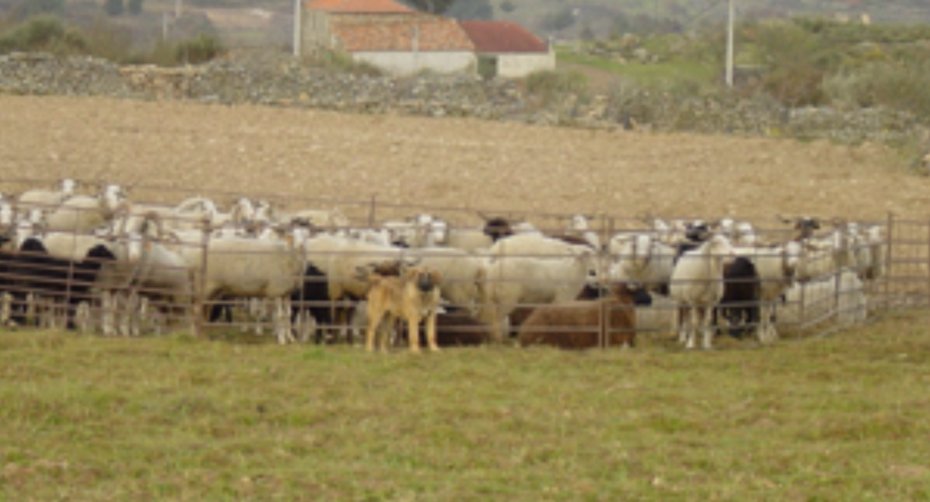
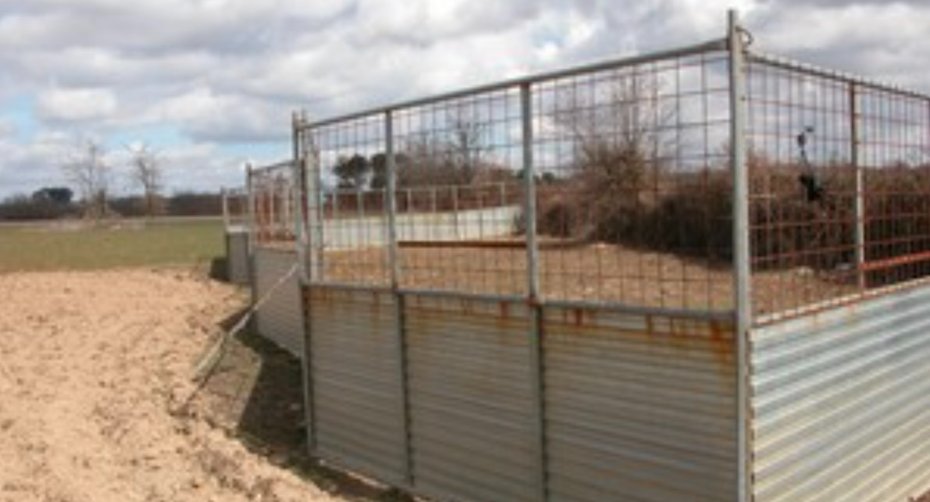
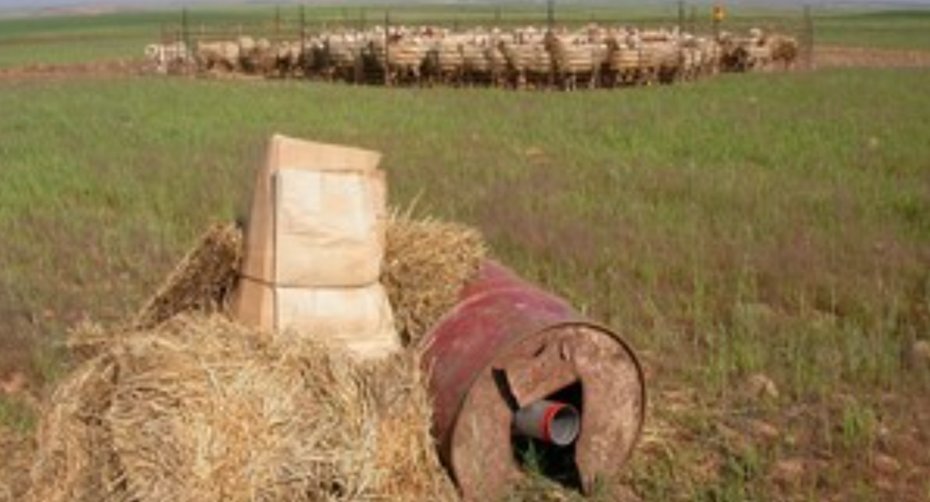
Keeping cattle locked in a secure barn (that prevents predators from entering) at night is a very effective way to protect them during the period when predators are generally most active. Confining them to a small, fenced enclosure or pasture can also provide some protection, as it prevents the animals from scattering and facilitates the use of livestock guardian dogs or other protection methods.
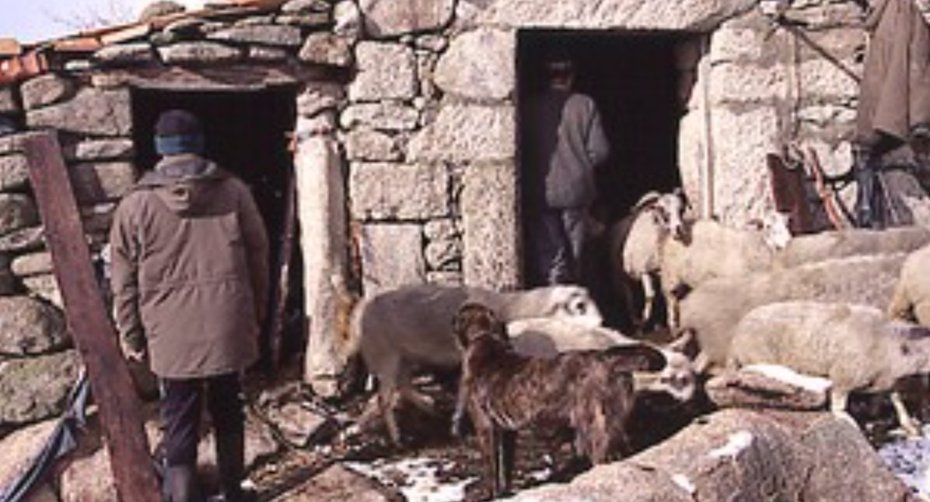
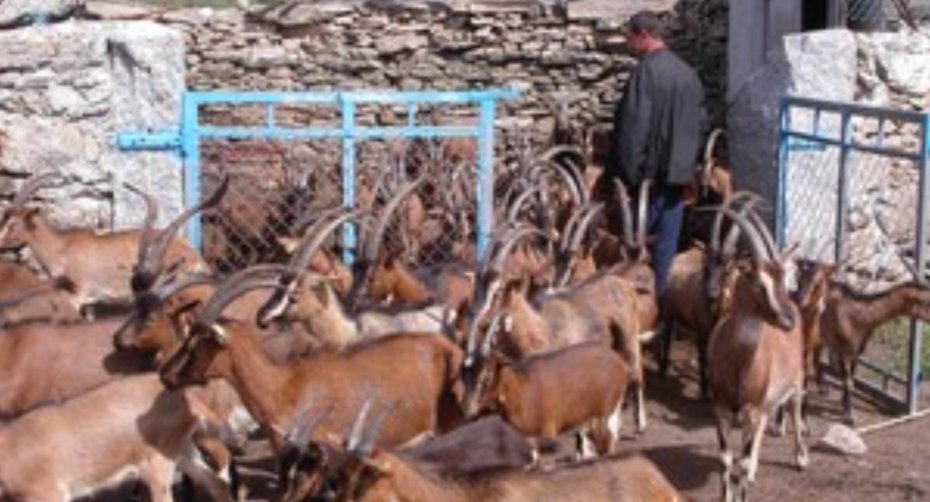
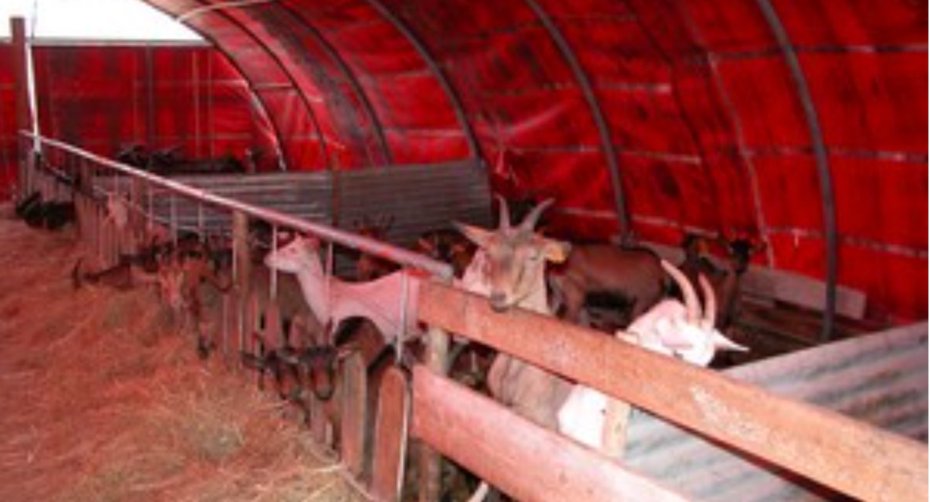
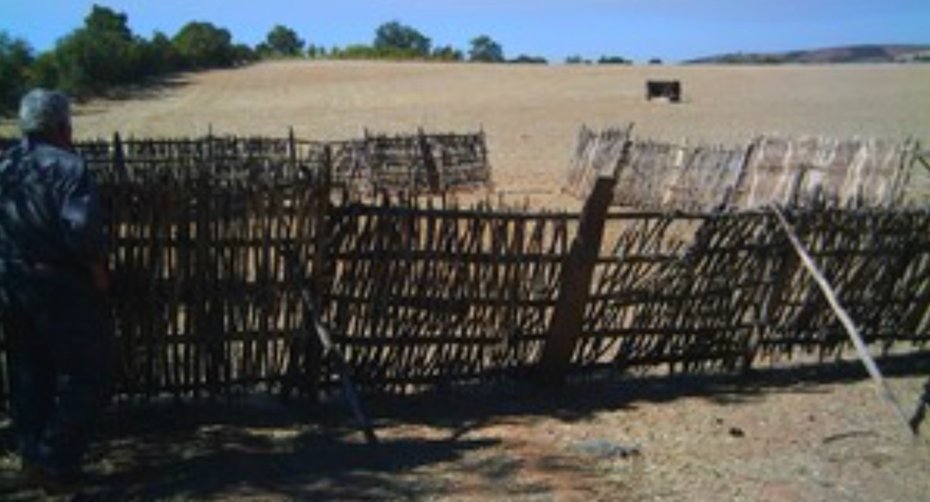
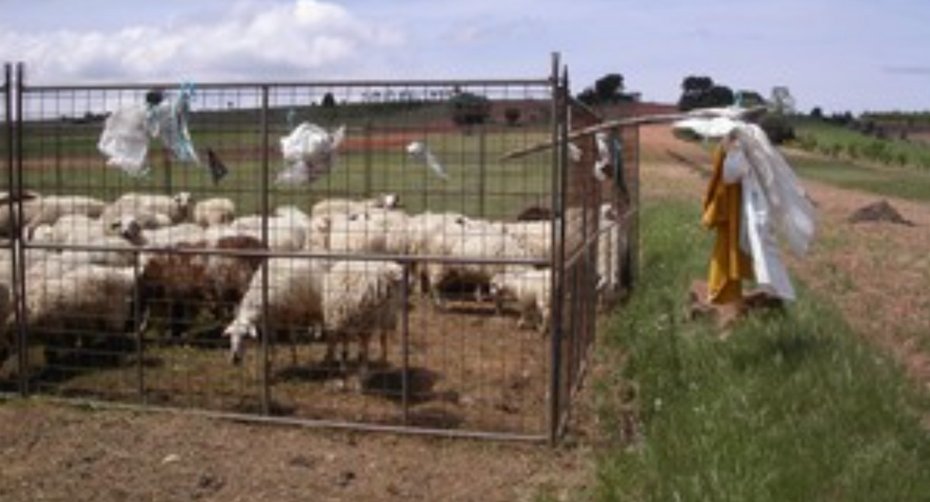
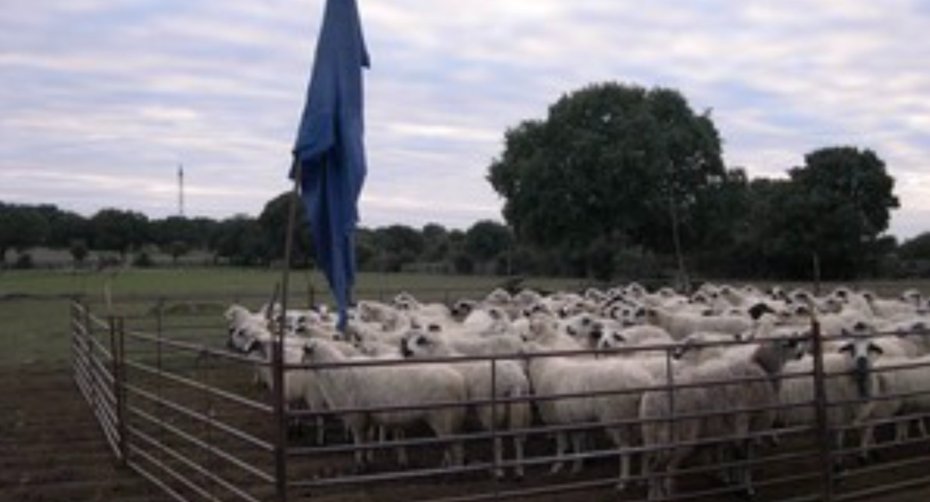
The barns or corrals, as they are called in the Beira Baixa and Trás‑os‑Montes regions respectively, consist of a set of rectangular, juxtaposed gates, formerly made of wood and currently of metal and wire mesh. They are approximately 1‑1.5 meters high and 2 meters wide, and are easily transportable and periodically assembled in different locations within the pastures. They are generally used to confine herds during rest periods (night and/or day) in regions of the country where summer temperatures are higher. As they offer little protection against predators, their use is often associated with various protection methods, in addition to livestock guardian dogs.
3. Cattle handling
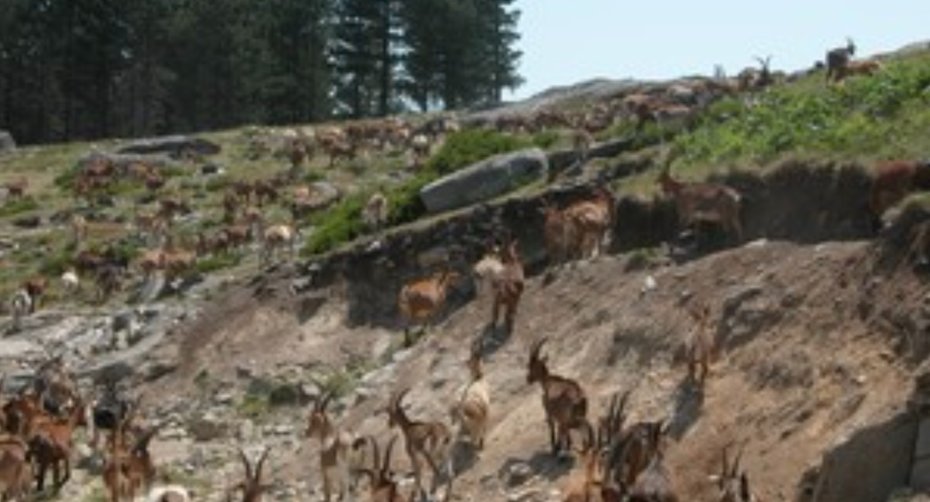
The shepherd plays a very important role in preventing predation by applying appropriate livestock management measures, such as keeping young and sick animals confined or in protected pastures, choosing the safest pastures and routes, keeping the herd together, controlling the animals to prevent them from dispersing, or placing bells on animals that tend to wander off.
4. Cattle bells and collars
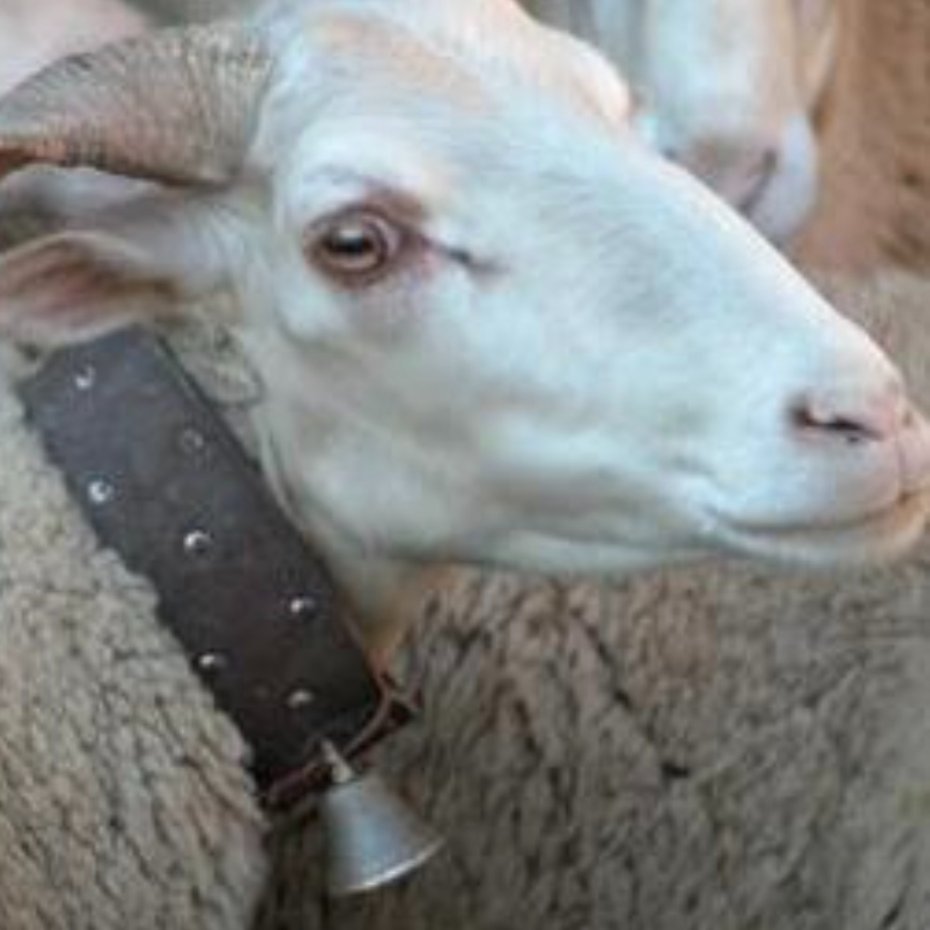
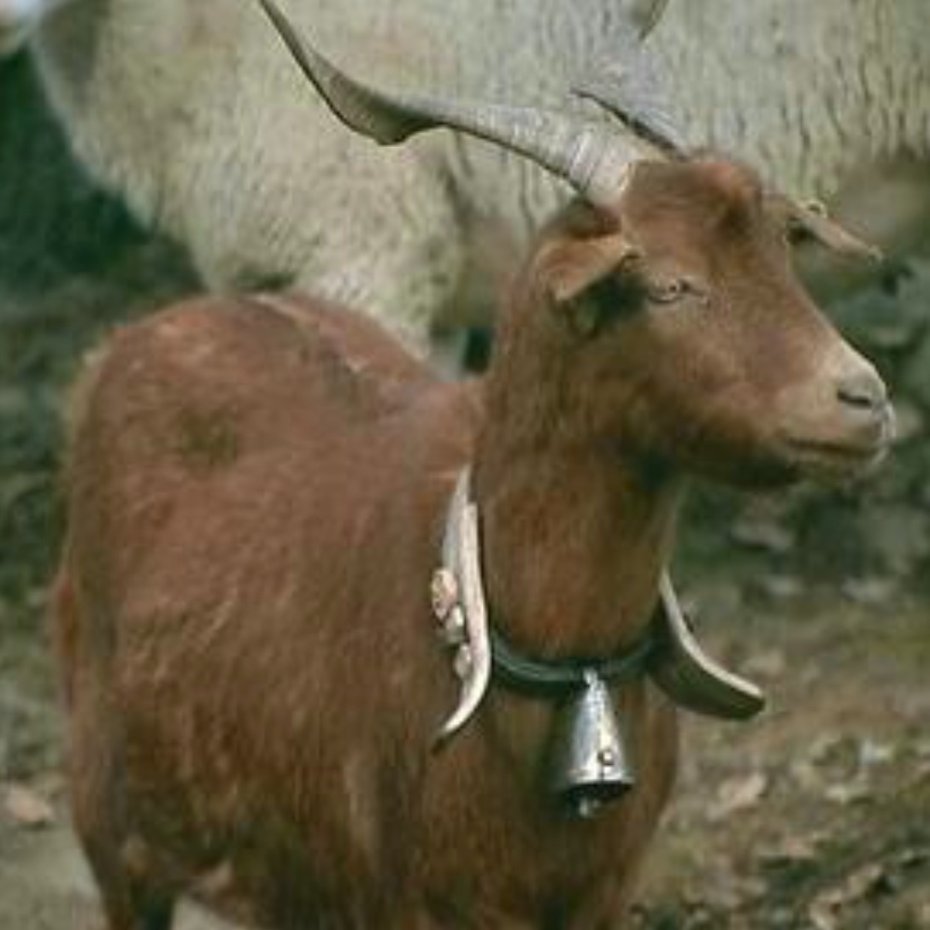
Placing bells on the animals in the flock/herd allows the shepherd to locate them more easily, which is very useful for recovering lost animals or those that tend to stray.
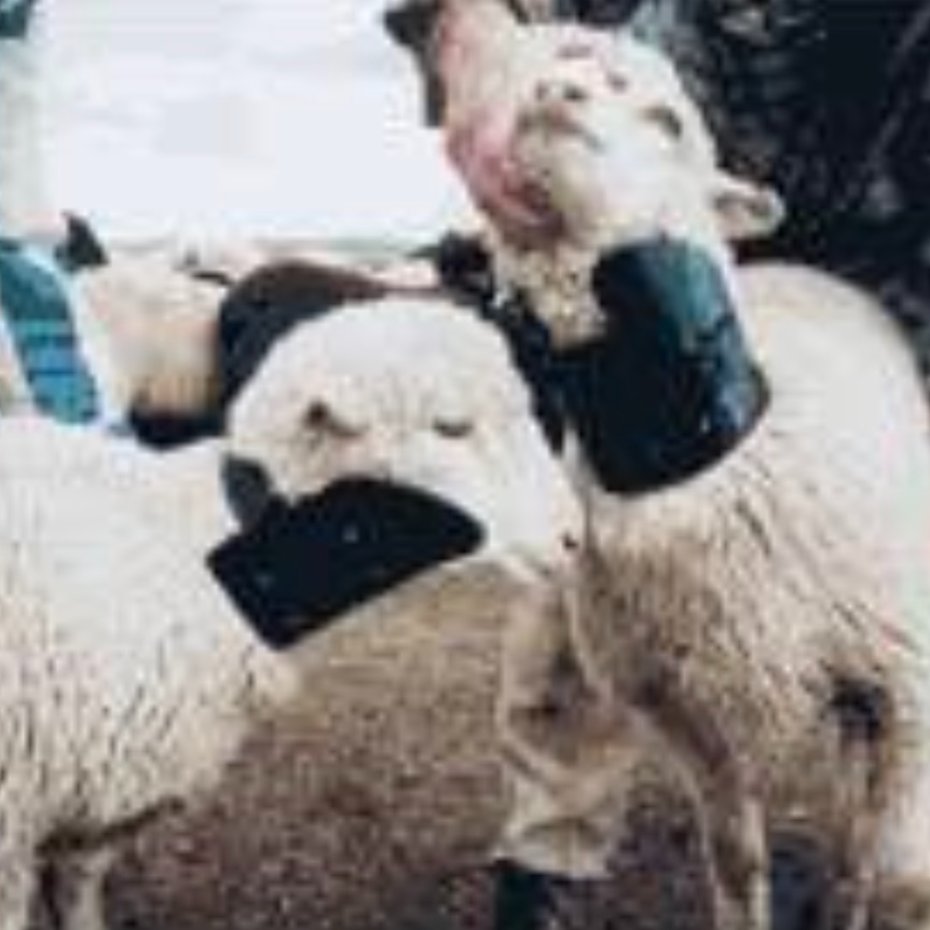
In recent years, protective collars have been created for livestock, protecting the lower part of the animals' necks, where predators (canids) usually try to bite. One of the most recent models of these collars, made of a resistant plastic, was developed by livestock farmers in South Africa, with very promising results.
5. Ropes and flags
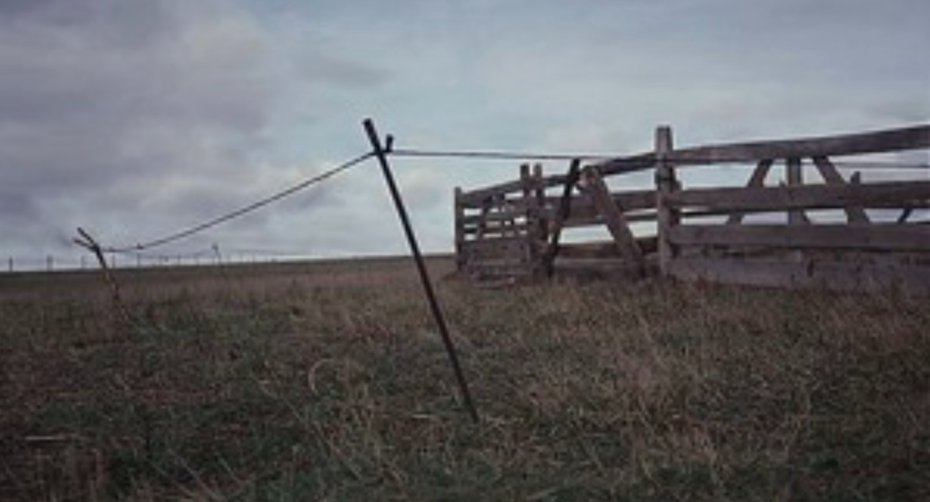
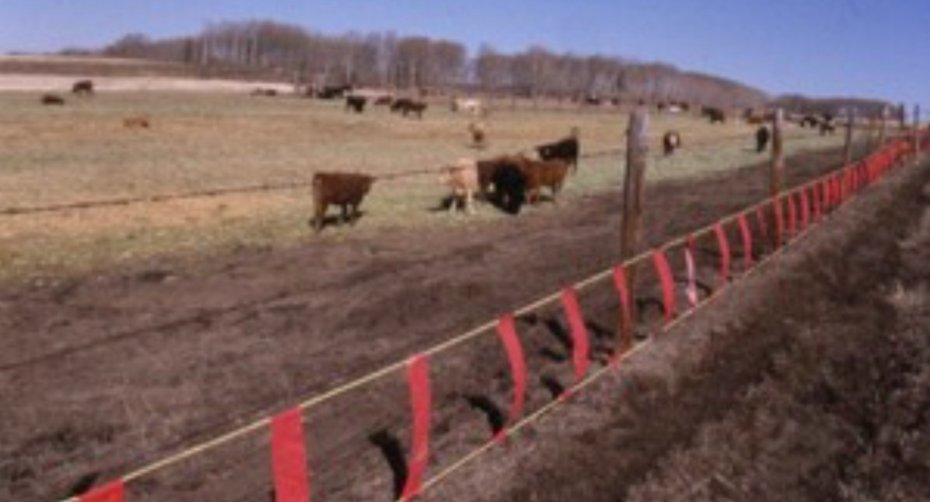
Ropes and flags were used a few decades ago in some of the warmer regions of the country, such as Mogadouro, Castelo Branco and Alentejo, where cattle were traditionally confined in enclosures. It consisted of placing a rope stretched around the enclosure, about 50 cm high and 1‑2 m apart. The rope could also be placed above the gates of the enclosure, at a height of about 50 cm. Sometimes, pieces of old clothing or pieces of fabric/plastic (flags) were hung on the ropes at 1 m intervals. Although this method is no longer used in our country, it is still possible to observe the use of ropes in some border regions of Spain, such as Zamora (Javier Talegón, pers. comm.).
Flags (or fladry) were also used in Poland to confine wolves during hunts for this predator. Currently, this method is being reused in wolf conservation efforts. After captive studies demonstrated their effectiveness (at least temporarily), flags began to be used in several countries in Europe and North America to protect herds and flocks kept in fenced pastures.
6. Scarecrows
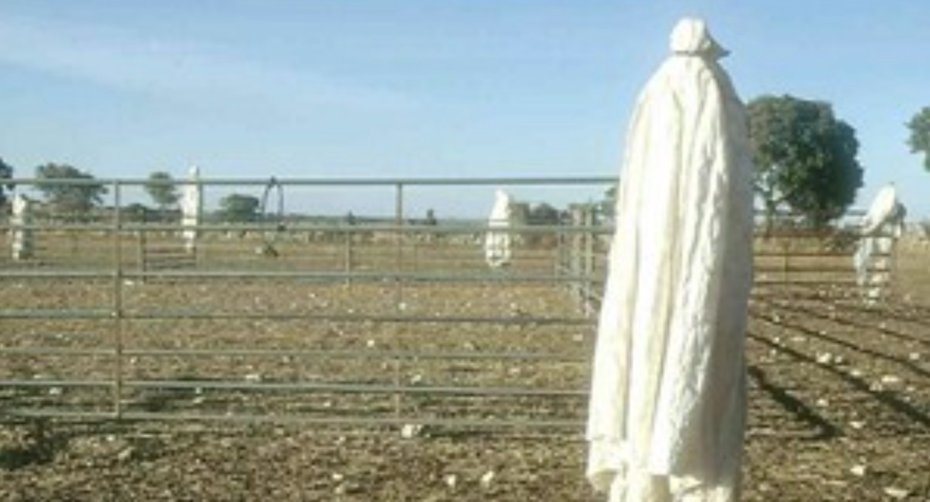
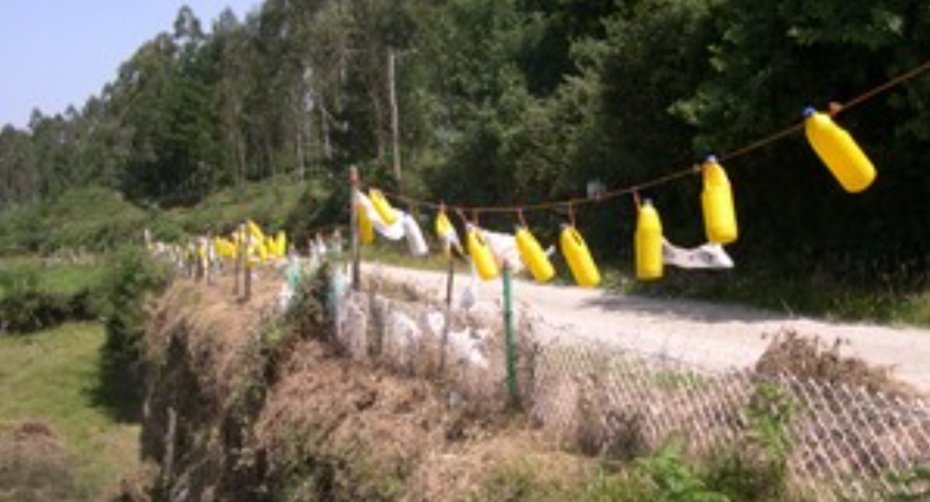
The use of scarecrows to frighten predators was also a traditional practice, with them being placed near fences or livestock confinement areas. Their use can still be observed in some regions of our country, and is also common in certain regions of Spain (Zamora) (Javier Talegón, pers. comm.). These scarecrows can be of various types, from dolls to simple plastic bags or bottles. However, their effectiveness is not yet fully studied, and the possibility of habituation by predators should also be considered. To maintain effectiveness, it is sometimes recommended to change the arrangement or type of scarecrows used.
7. Electrical seals
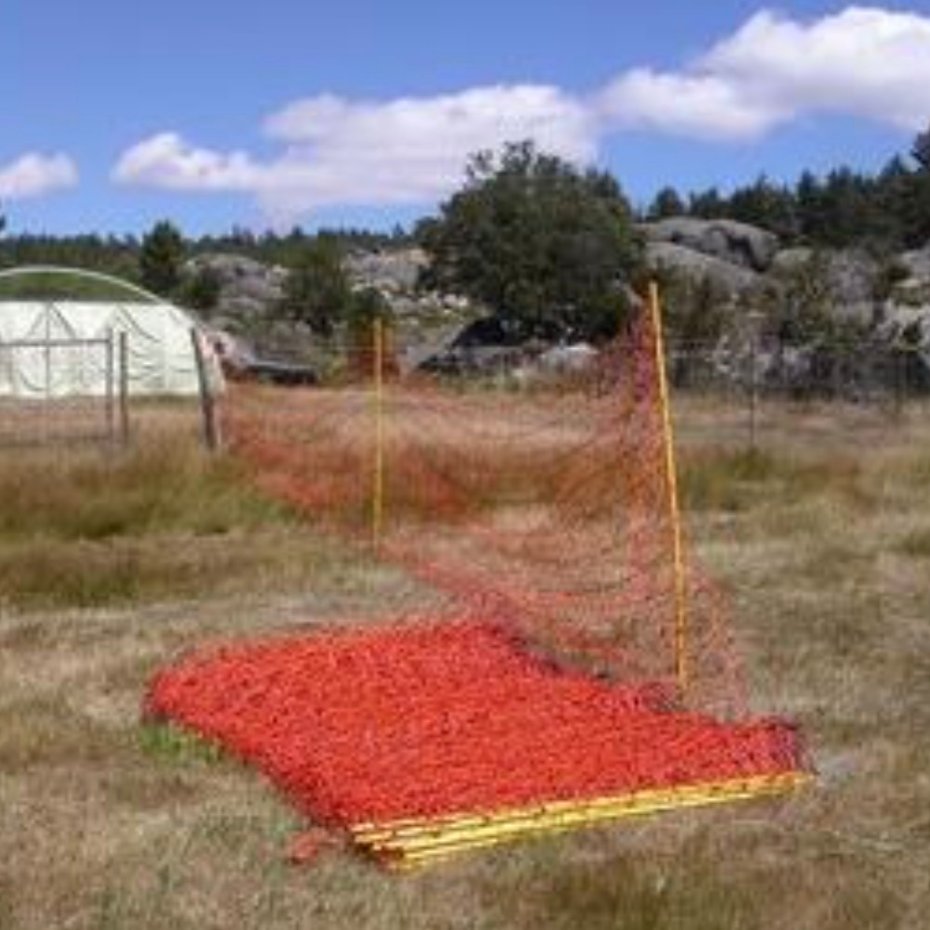
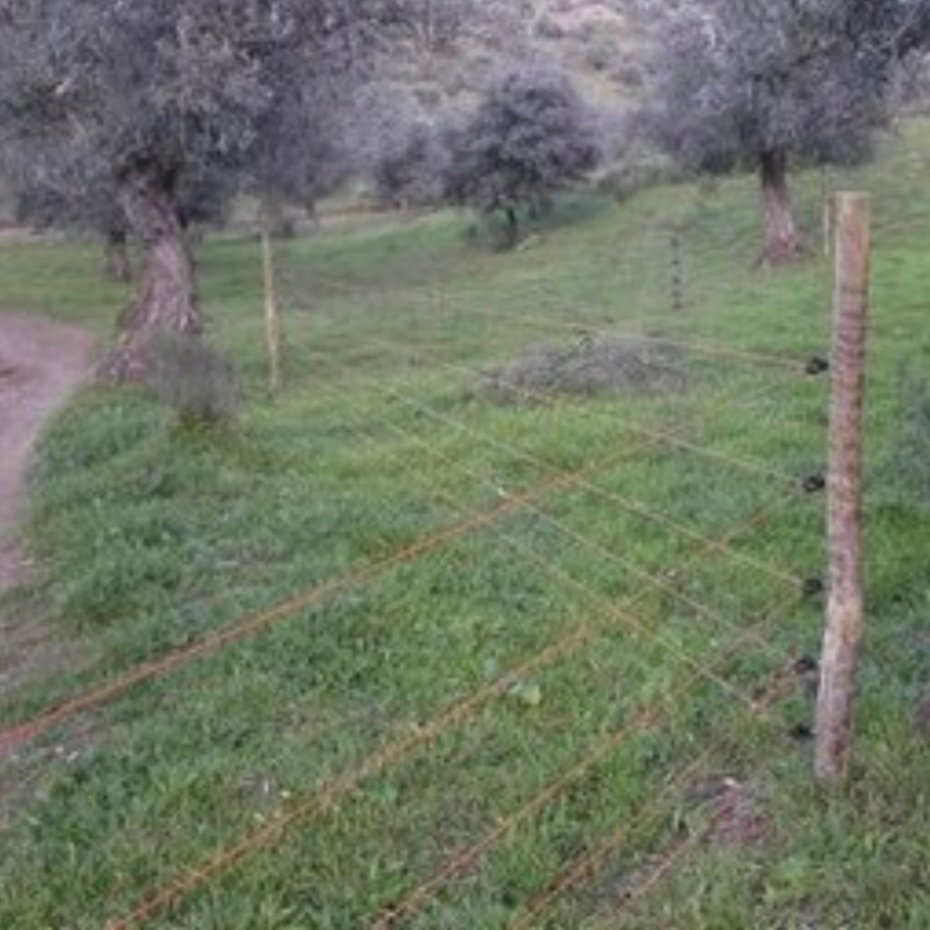
Electric fences, when properly constructed, have been quite successful in preventing predator attacks. These fences should be approximately 1.5‑1.7 meters high and consist of several electric wires spaced 10 to 30 cm apart, with the wires closest to the ground being closer together. Electric fences can be fixed or mobile.
Mobile fences are very useful for confining and protecting livestock, as they are easily set up in different locations, following the herd's movements. They are widely used to confine and protect herds in temporary pastures, particularly at night.
When fences are fixed, regular inspection along their entire length becomes necessary, as well as any necessary maintenance/repair actions to ensure their effectiveness, since a construction flaw or the existence of a weak point (such as a greater distance from the ground or a break in the current due to vegetation growth near the wires) is easily exploited by predators.
It is also possible to increase the effectiveness of existing wire fences by placing two electric wires along the fence, one near the ground (to prevent the predator from digging or passing underneath) and another above the fence (to prevent the predator from jumping over it).
8. Sounds
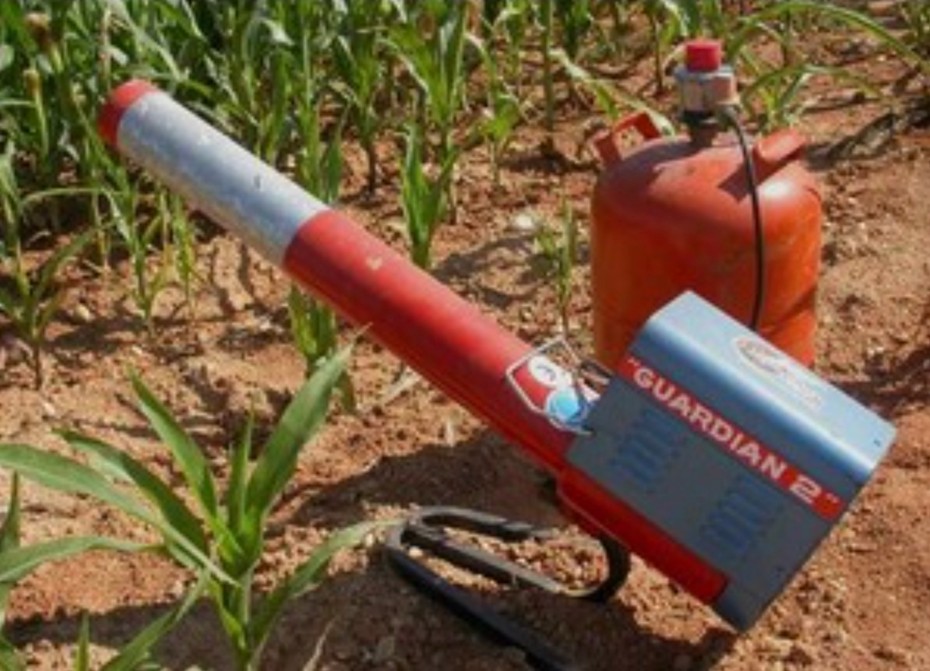
In some regions of the country, horns and firecrackers (rockets) were also used at times of greater danger during herding, with the aim of scaring away predators. More recently, new devices such as propane detonators or flashing sirens (which may be combined with lights) have been developed for the same purpose. However, studies show that many of these methods, despite having an immediate effect, have only relative success, as predators easily become accustomed to them. Therefore, they should only be used in temporary situations or as an initial phase, while other methods are being prepared.
9. Lights
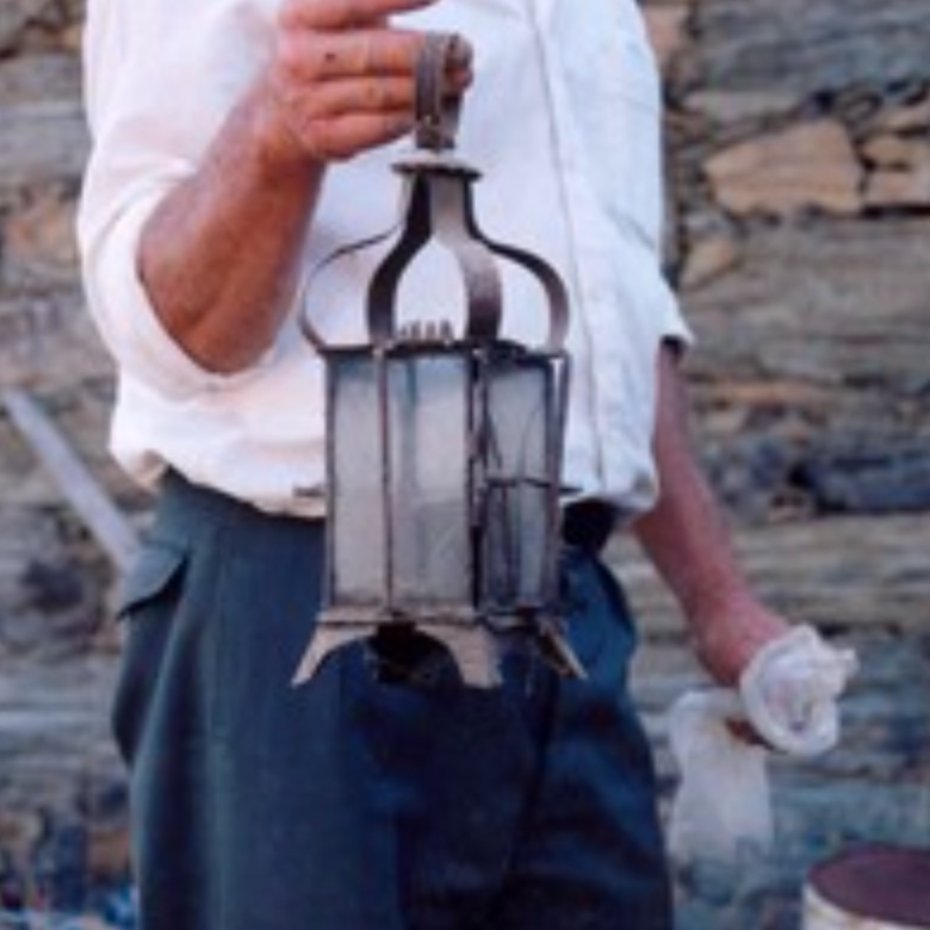
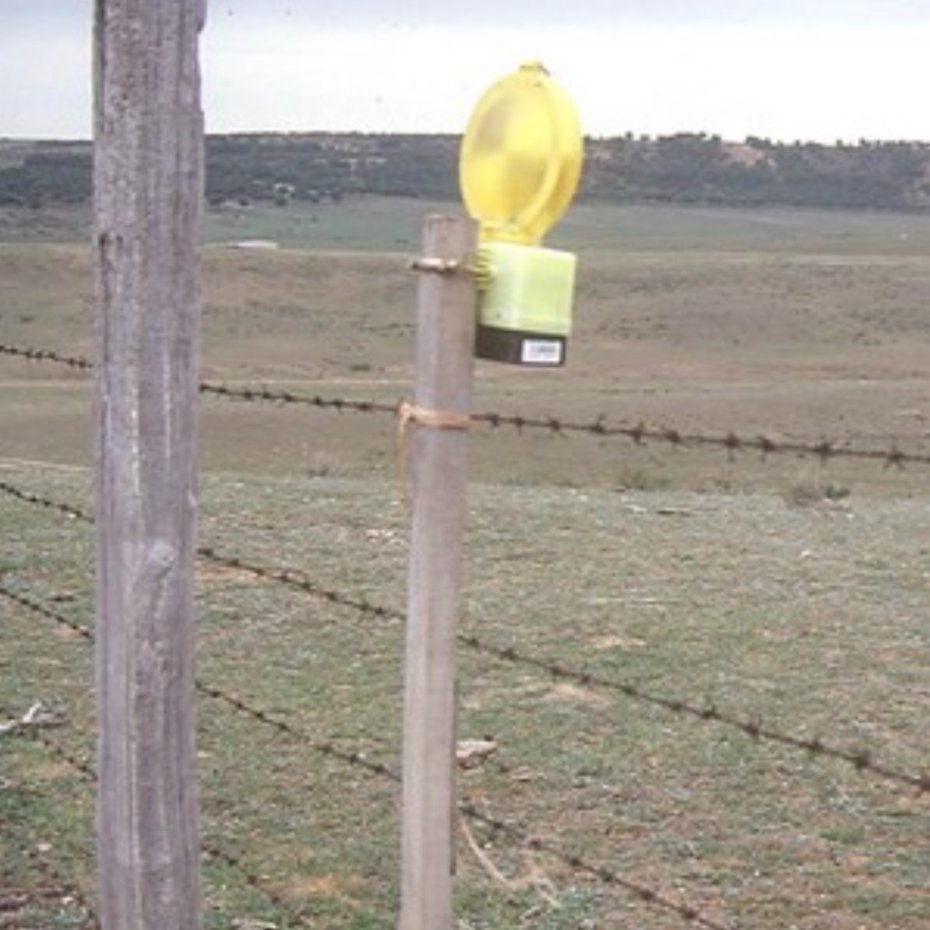
The use of lights (lamps) or bonfires near the enclosures during the nighttime confinement of the flocks is also mentioned by shepherds as a way to keep predators away. This method has also recently been revived with the creation of new types of flashing lights (which may be associated with sounds). However, like other methods to scare away predators, studies show that predators also become accustomed to the lights. Their use should be limited to temporary situations or before the application of other more effective methods.
10. Donkeys
Beyond livestock guardian dogs, the use of other protective animals, such as donkeys, has been developing, although their success seems to be less. Donkeys have been used for over 100 years in Namibia to protect herds from predators (Jean‑Marc Landry, pers. comm.). Recently, they have been used in the United States and Europe to protect domestic animals (cattle and small ruminants) from attacks by coyotes, foxes, or dogs. Donkeys demonstrate a certain aggressiveness towards dogs and other canids, chasing and attempting to bite and kick intruders. However, their effectiveness in protecting against wolves has not yet been definitively proven.
Although less efficient than livestock guardian dogs, they have the advantage of not requiring special care or food, and can graze alongside the herd animals. Their efficiency is greater when used alone in small pastures and in herds with little dispersal. Females or castrated males are generally used, as they are less aggressive towards the animals in the herd.