


Livestock Guardian Dog Program
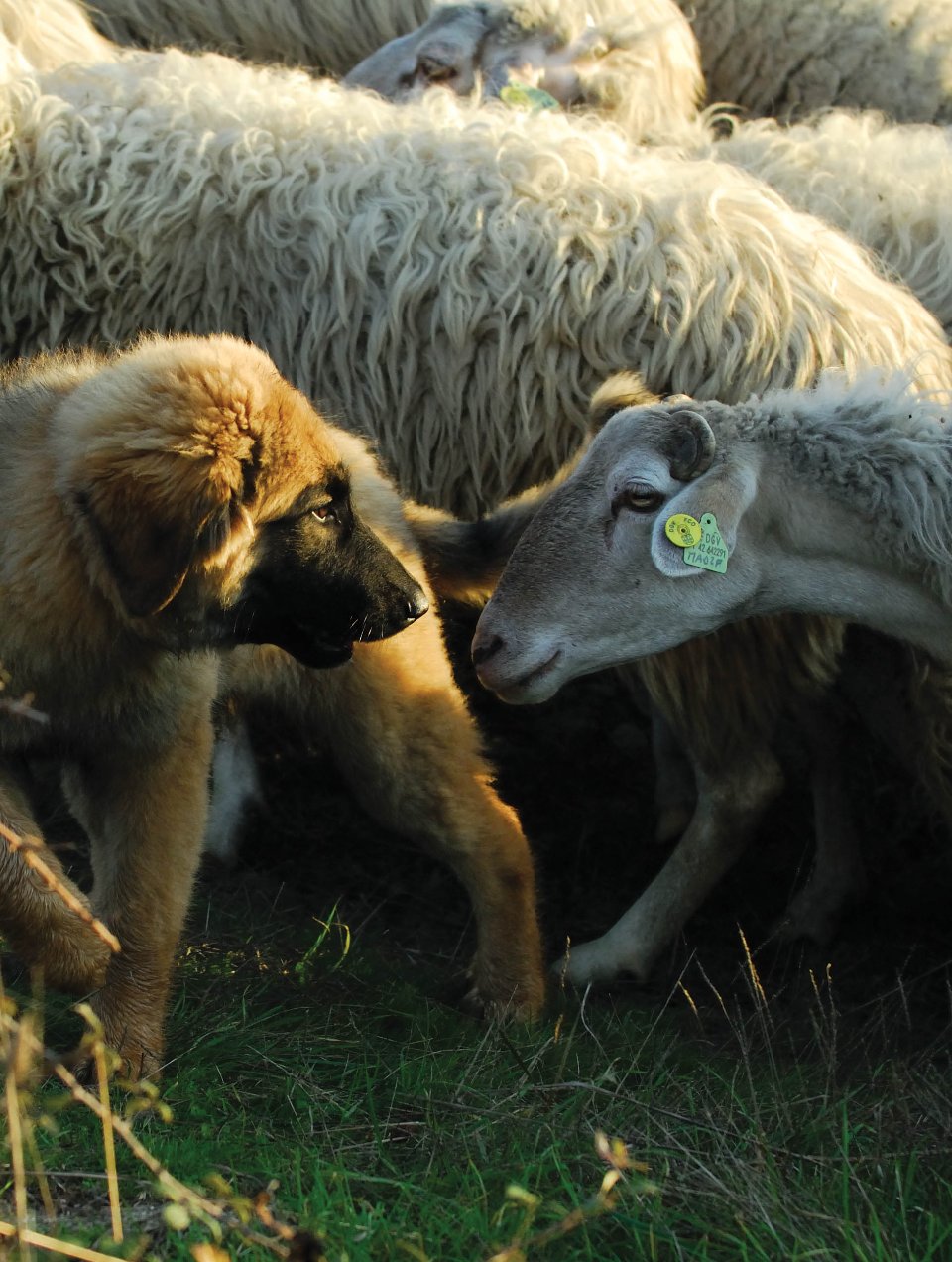
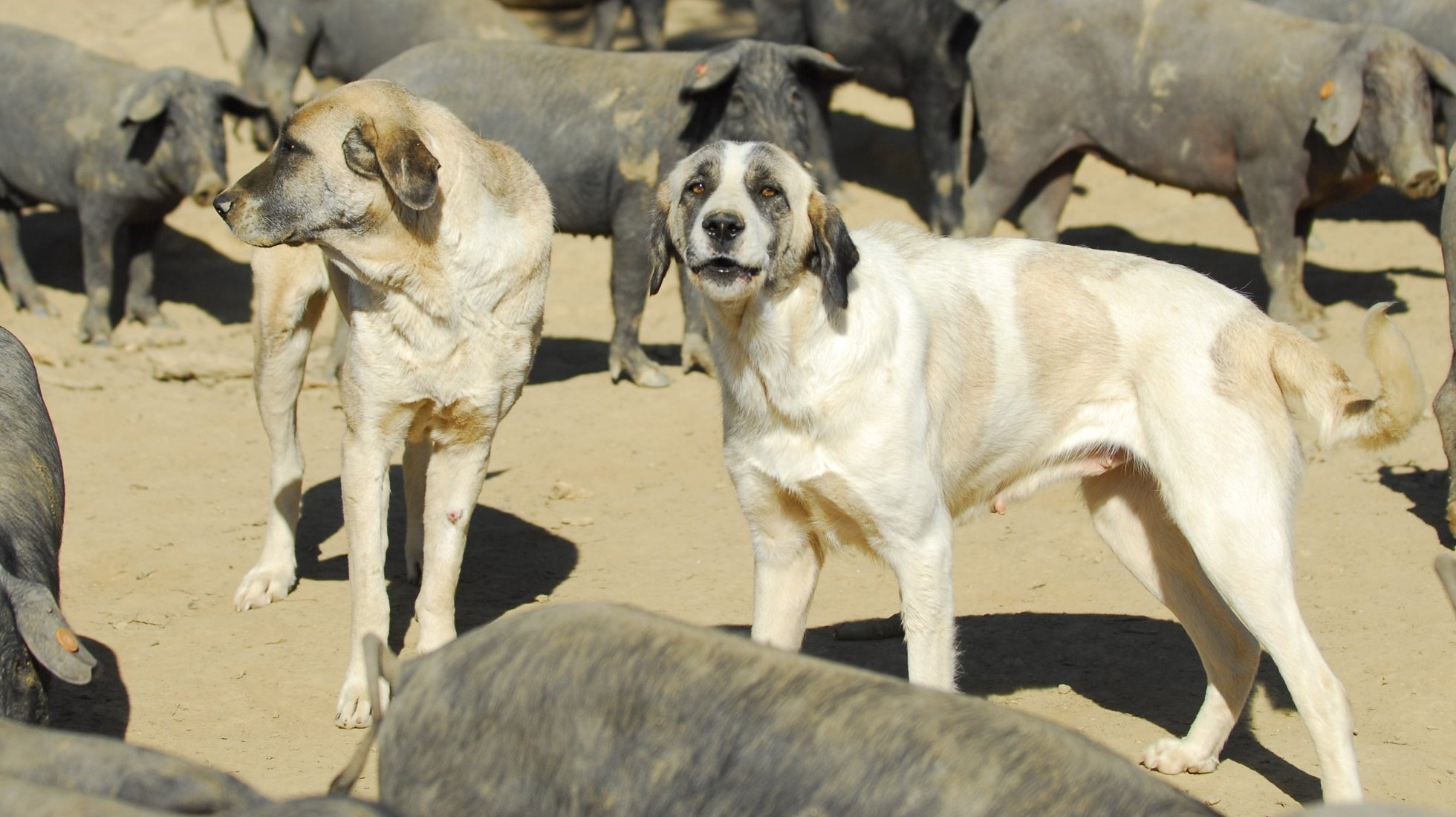
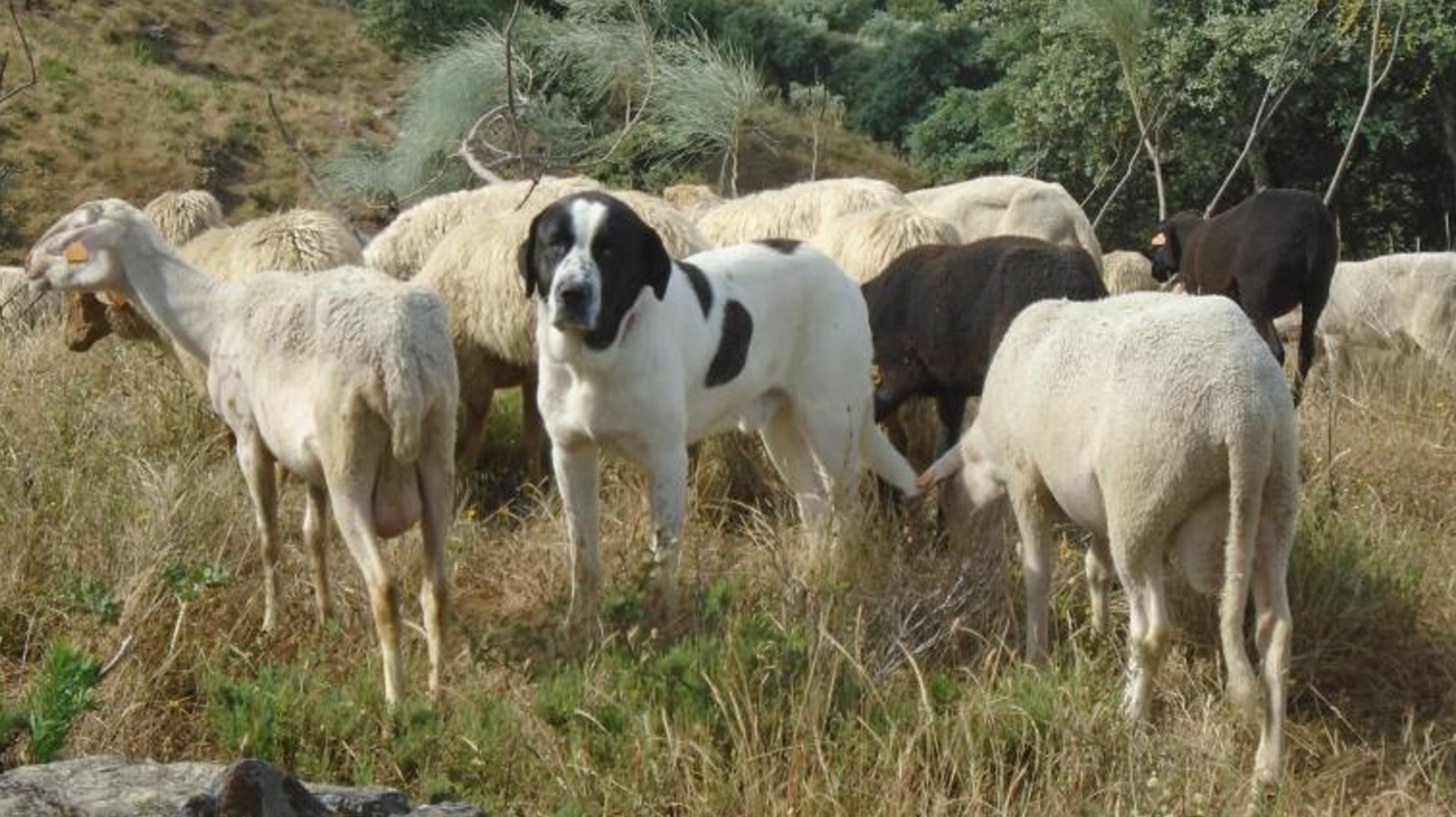
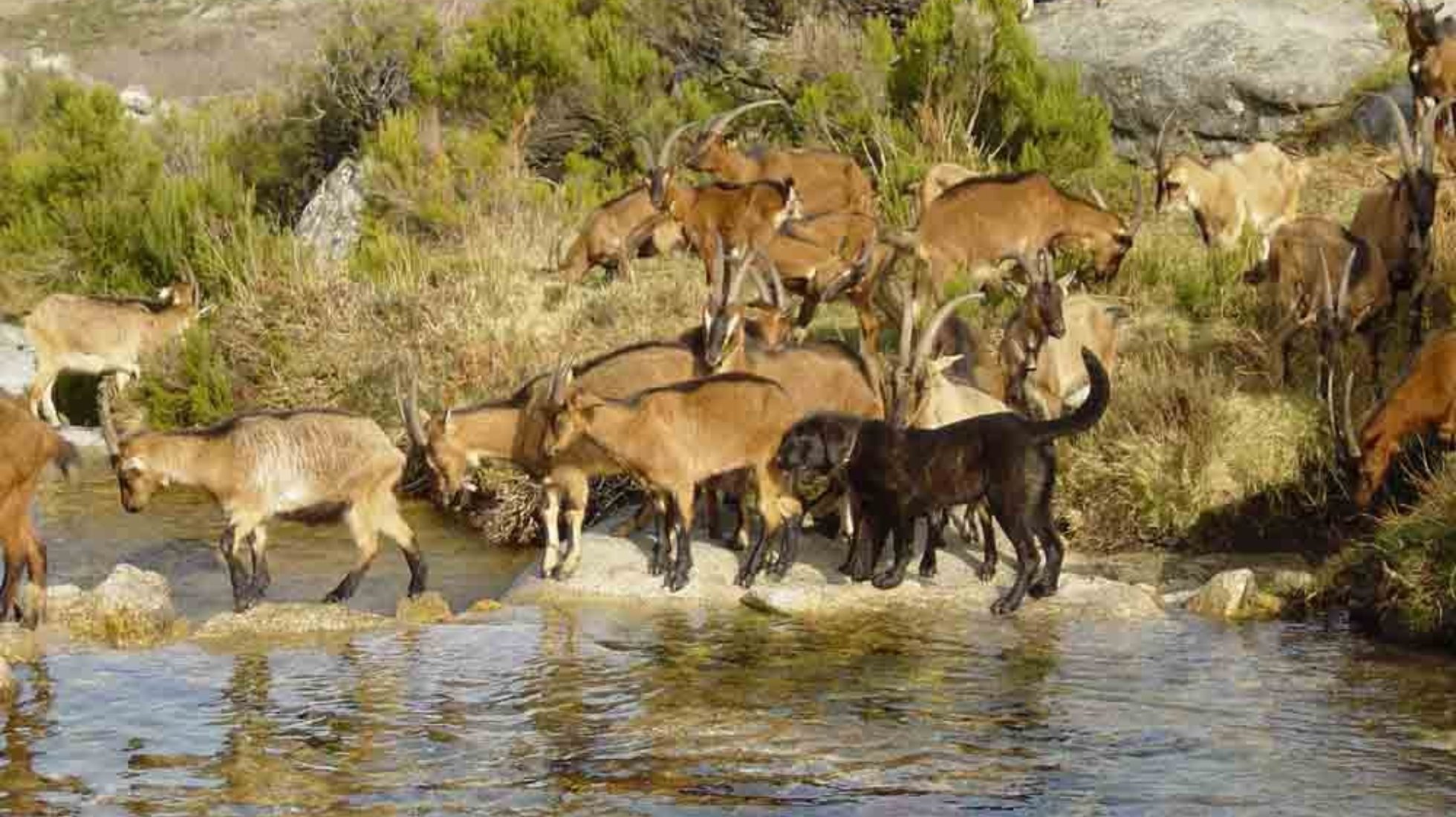
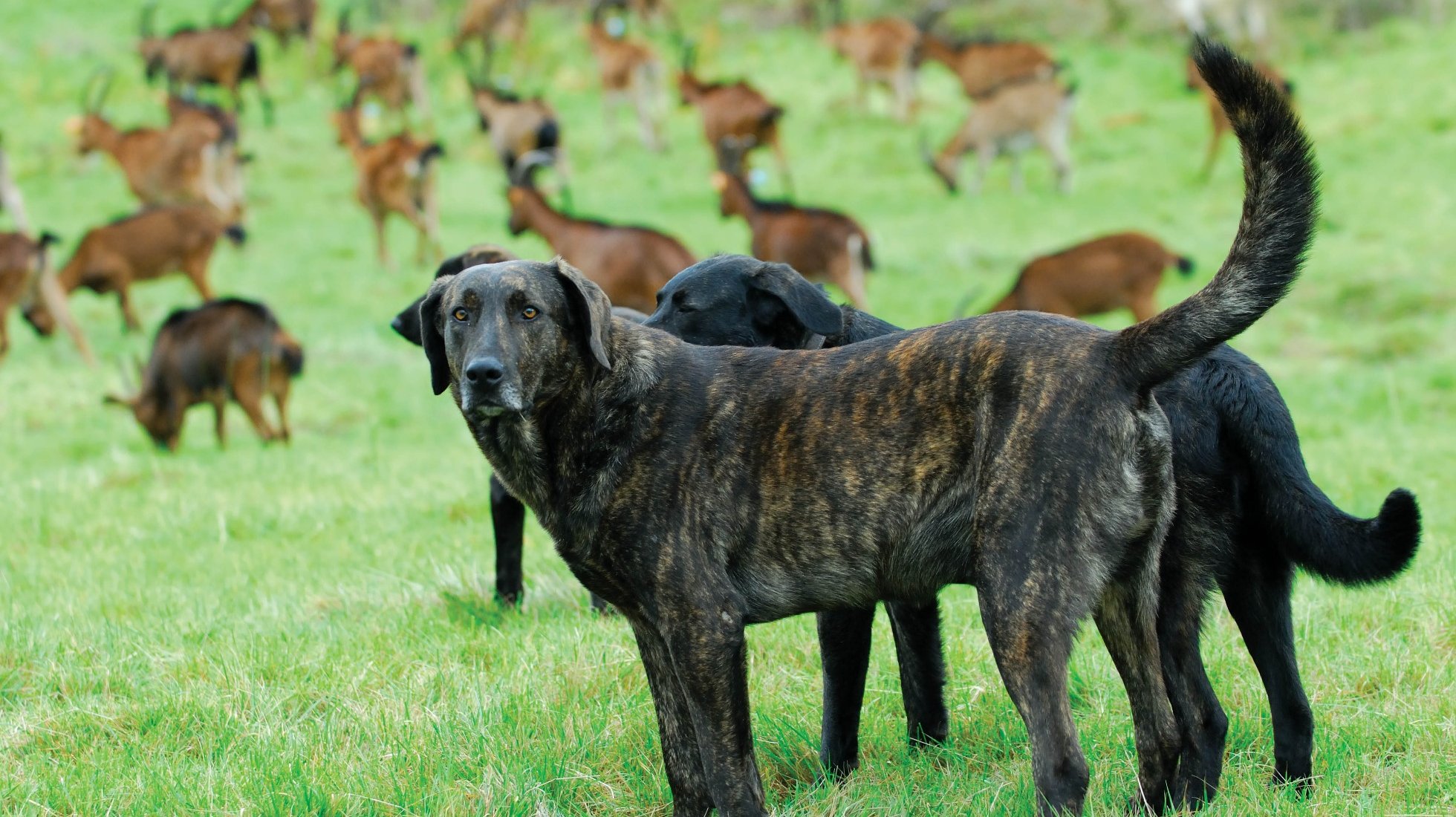
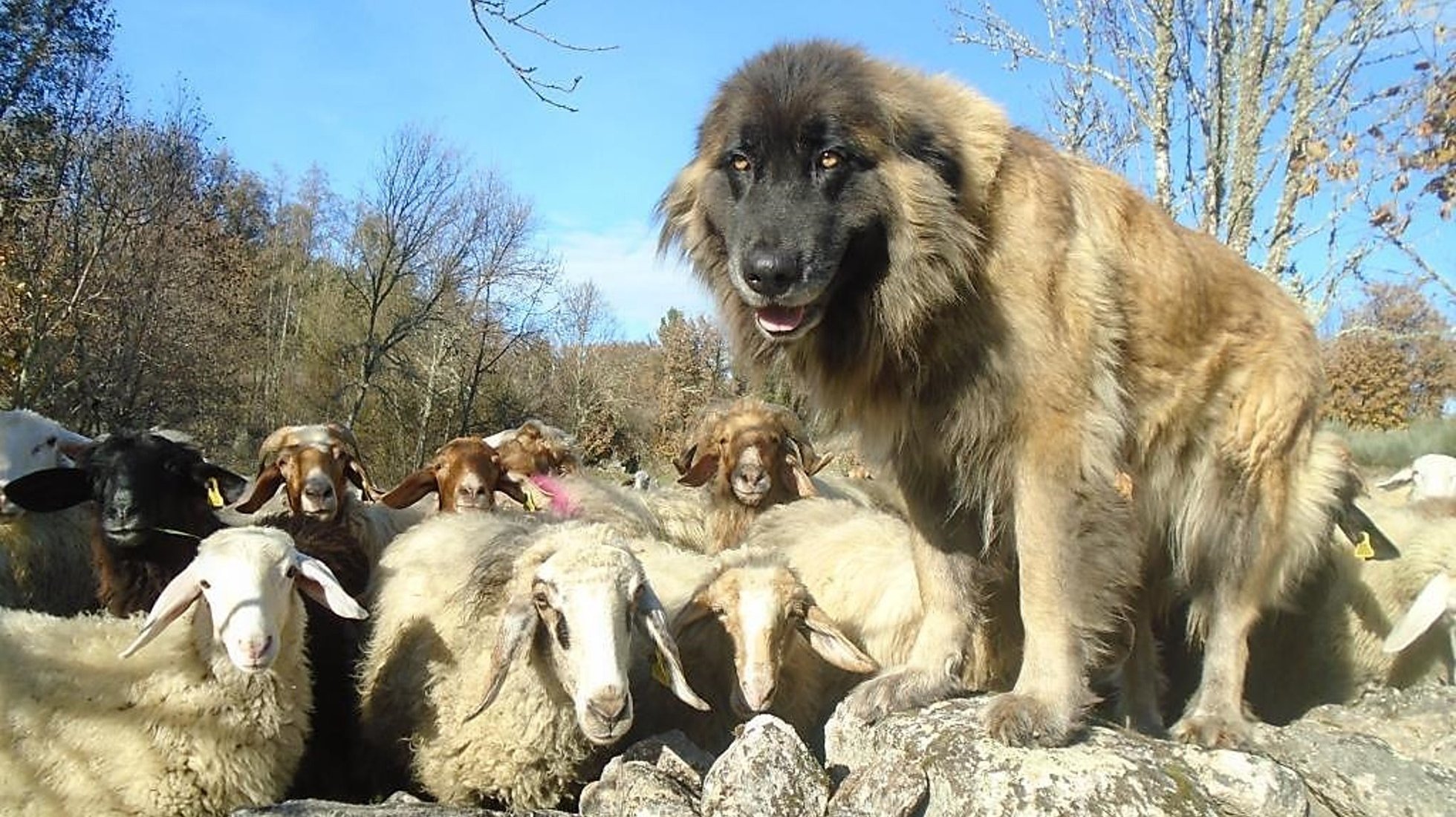
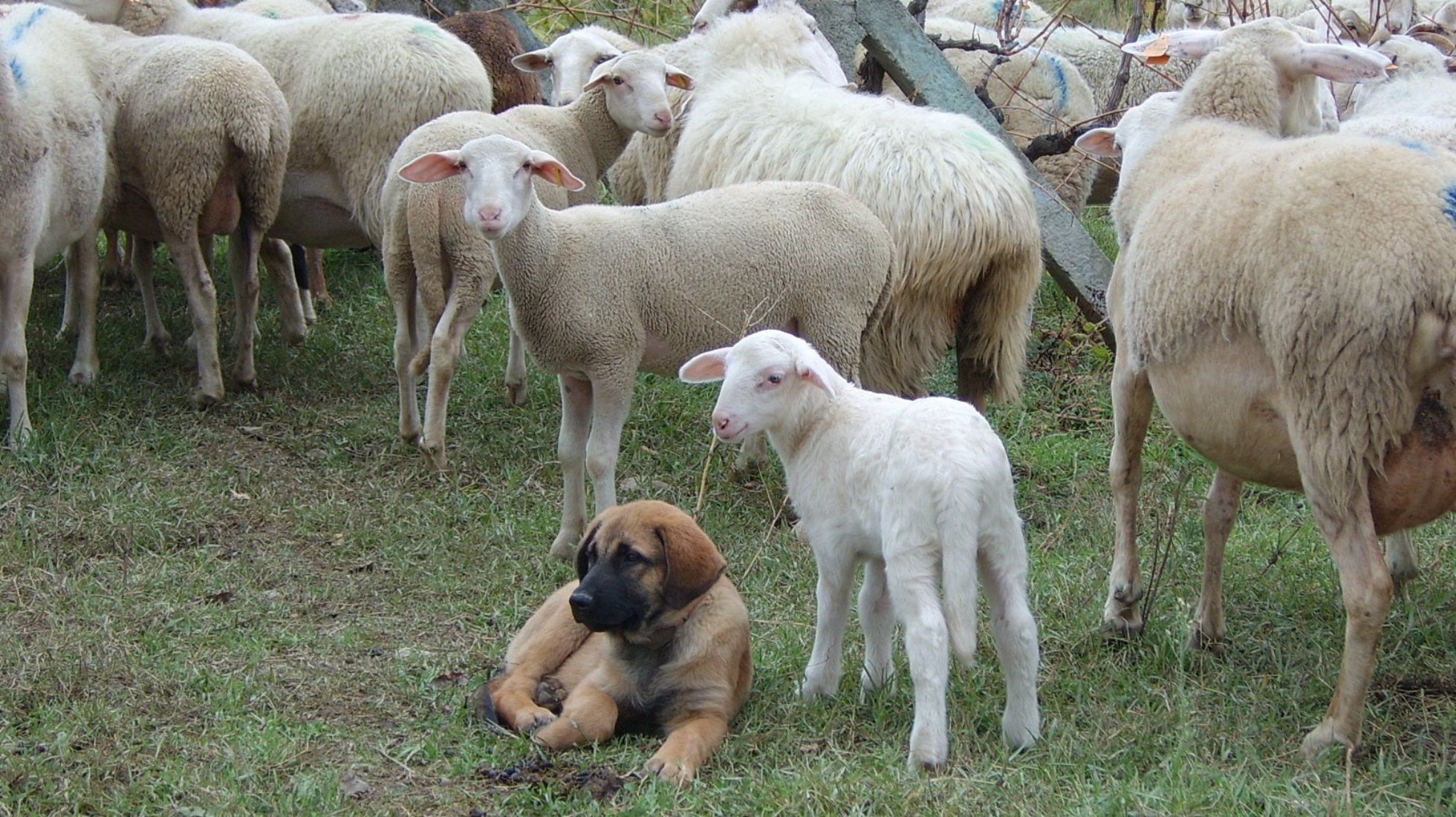
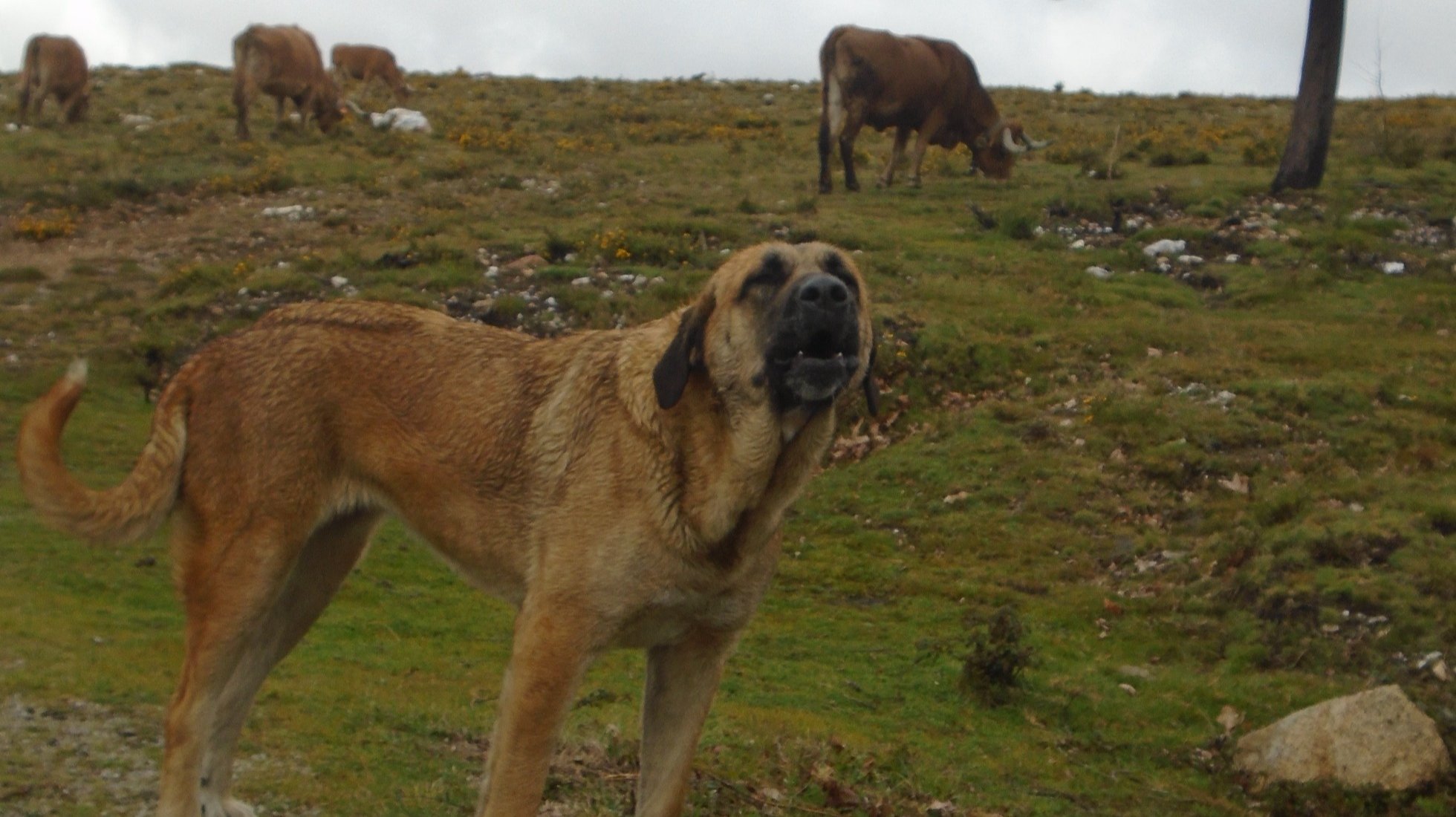
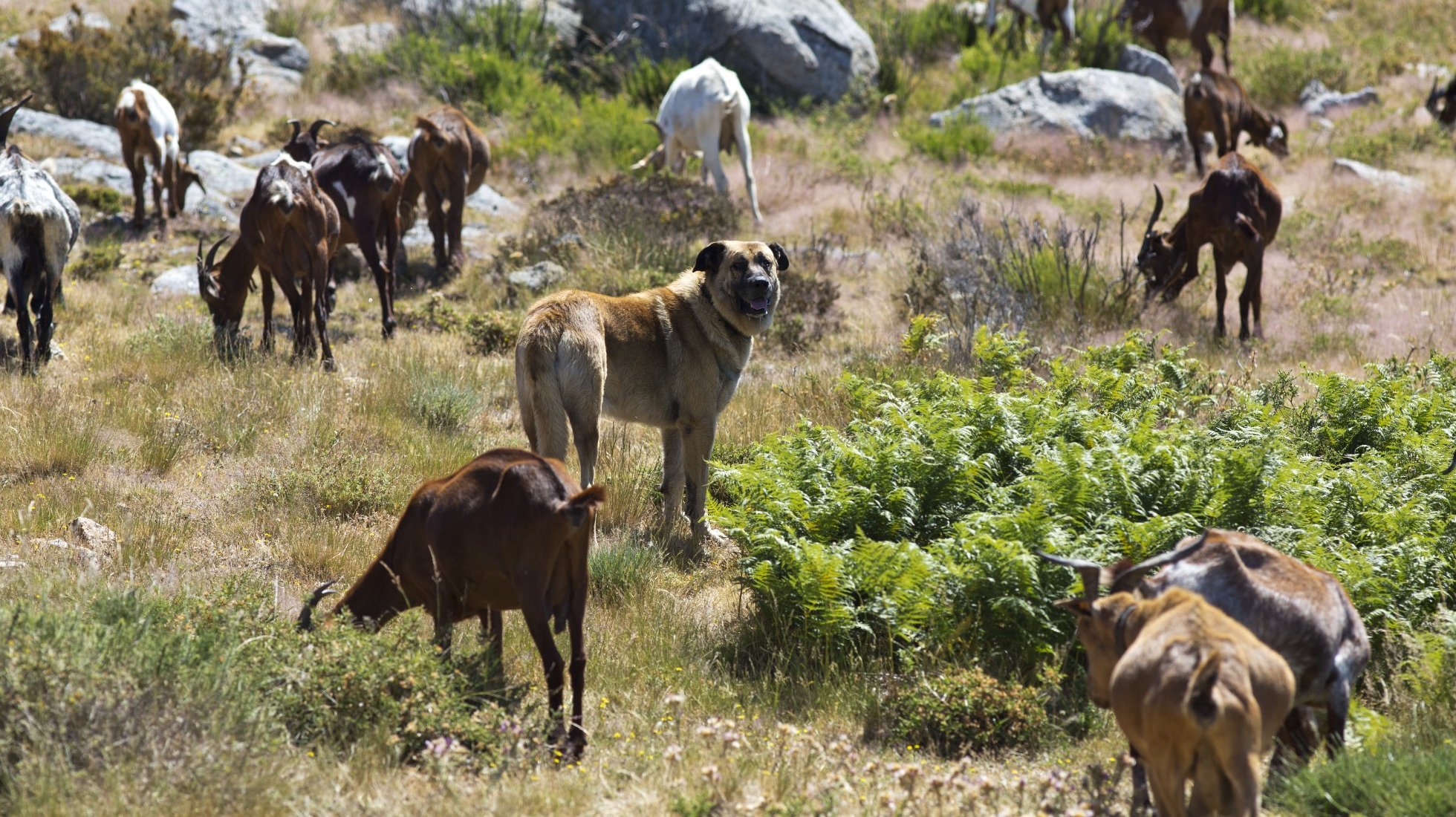
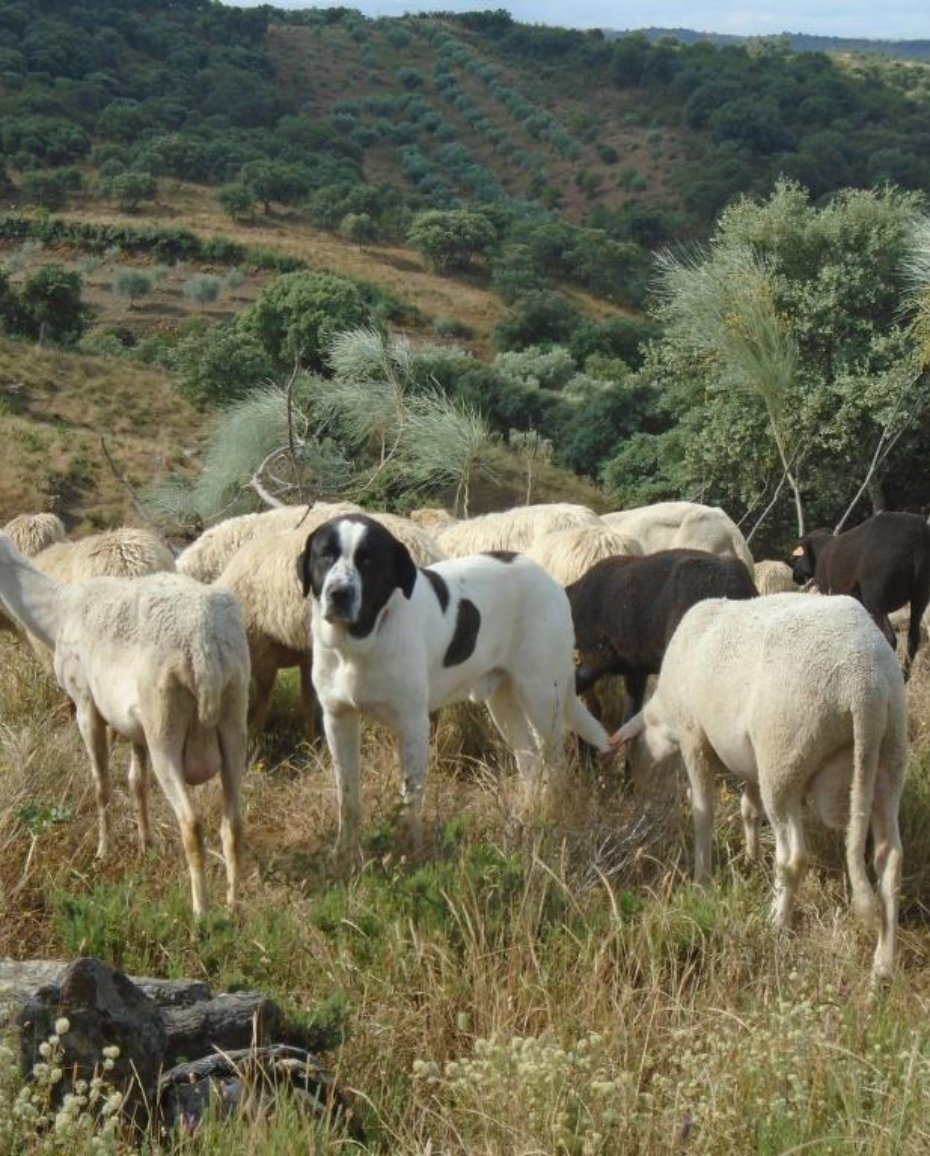
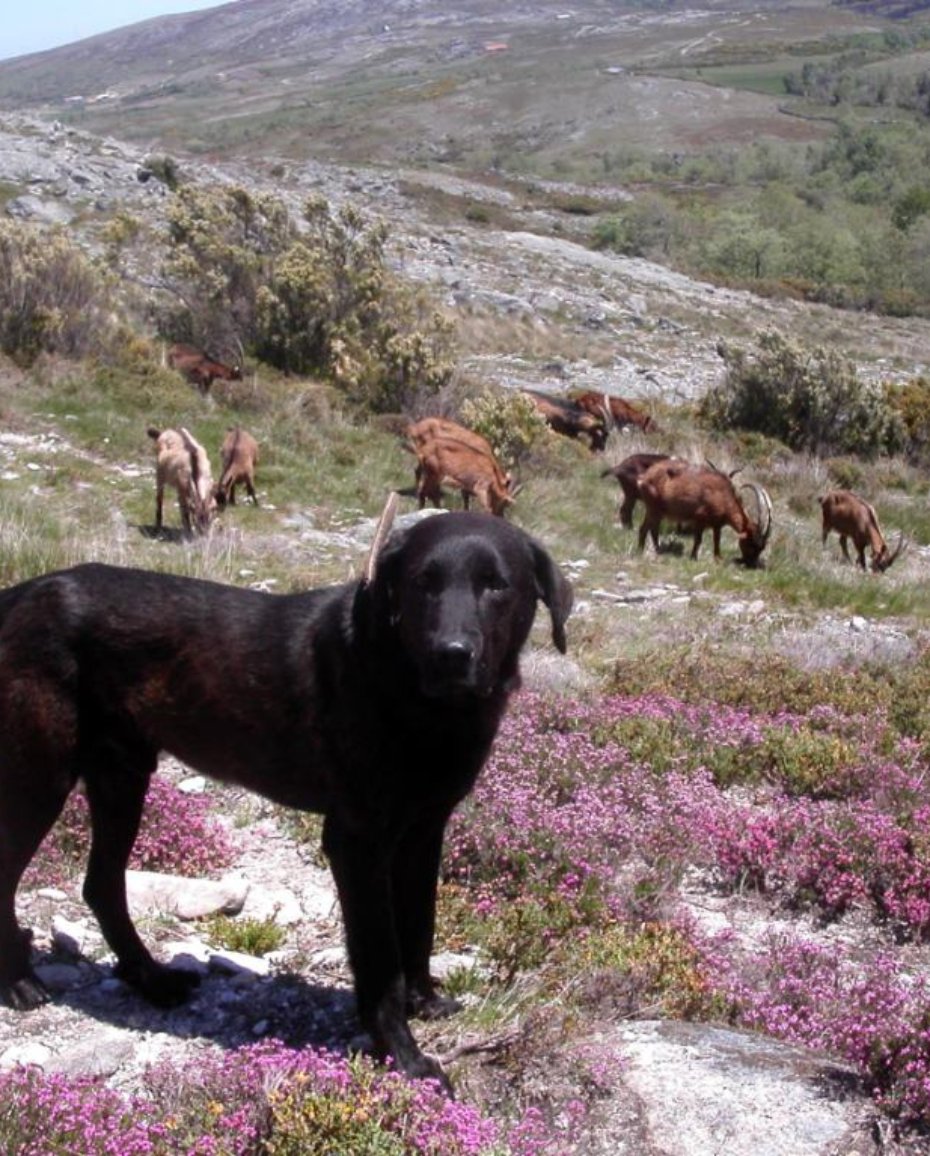
The Livestock Guardian Dog Program, defined in 1987 and initiated in 1996, aims to promote the use of livestock guardian dogs of national breeds as an effective way to protect livestock and reduce the economic losses that wolves cause to domestic animals.
The Program, which has already delivered more than 600 dogs, monitors their development and evaluates their effectiveness, also providing technical and veterinary support to ensure the dogs' success and well‑being.
This initiative highlights the importance of supporting livestock farmers in using this protection method, which, when properly applied, is a useful tool in wolf conservation, reducing losses and conflicts with this predator.
The recovery of the traditional use of livestock guardian dogs, and ancestral knowledge about their use, contributes to preserving national dog breeds, increasing their numbers and enhancing their functionality. It also fosters knowledge of their behavior, pathologies, morphology, and genetics.
The success of the Livestock Guardian Dog Program has sparked growing interest among livestock farmers, resulting in frequent requests for dogs, as well as increasing their confidence in this method of protection, facilitating its expansion and the establishment of an ongoing working relationship with rural communities.
Bibliography
The following bibliography list refers to the bibliographic references made in the texts and constitutes a selection of the main recommended bibliography.
- Andelt, W. (1992). Effectiveness of livestock guarding dogs for reducing predation on domestic sheep. Wildlife Society Bulletin, 20: 55-62.
- Clutton-Brock, J. (1999). A natural history of domesticated mammals (2nd Ed.). Cambridge: Cambridge University Press / The Natural History Museum.
- Coppinger, R. & L. Coppinger (2001). Dogs: A new understanding of canine origin, behaviour and evolution. Chicago: University of Chicago Press.
- Coppinger, R., J. Lorenz, J. Glendinnig & P. Pinardi (1983). Attentiveness of guarding dogs for reducing predation on domestic sheep. Journal of Range Management, 36: 275-279.
- Coppinger, R., L. Coppinger, G. Langeloh & L. Gettler (1988). A decade of use of livestock guarding dogs. In Crabb, A.C. & R. E. Marsh (Eds.), Proceedings Vertebrate Pest Conference (pp. 209-214). Davis: University of California.
- Coppinger, R. & R. Schneider (1995). Evolution of working dogs. In J. Serpell (Ed.), The Domestic Dog: its evolution, behaviour and interactions with people (pp. 21-47). Cambridge: Cambridge University Press.
- Green, J.S. & R.A. Woodruff (1990). ADC guarding dog program update: a focus on managing dogs. In L.R Davis & R.E. Marsh (Eds.), Proceedings 14 th Vertebrate Pest Conference (pp. 233-236). Davis: University of California.
- Green, J.S. & R.A. Woodruff (1993). Livestock Guarding Dogs. Protecting sheep form predators. Agriculture Information Bulletin Nr 588. United States Department of Agriculture, Animal and Plant Health Inspection Service.
- Green, J.S., R.A. Woodruff & W.F. Andelt (1994). Do livestock guarding dogs loose their effectiveness over time? In W.S Halverson & A.C. Crabb (Eds.), Proceedings 16 th Vertebrate Pest Conference (pp. 41-44). Davis: University of California.
- Green, J.S., R.A. Woodruff & T.T. Teller (1984). Livestock-guarding dogs for predator control: costs, benefits and practicality. Wildlife Society Bulletin, 12: 44-50.
- Lorenz, J.R. & L. Coppinger (1986). Raising and training a livestock-guarding dog. Extension Circular 1238. Oregan State University Extension Service.
- Lorenz, J.R., R.P. Coppinger & M.R. Sutherland (1986). Causes and economic effects of mortality in livestock guarding dogs. Journal of Range Management, 39: 293-295.
- Ribeiro, S. & F. Petrucci-Fonseca (2005). The Use of Livestock Guarding Dogs in Portugal. Carnivore Damage Prevention News, 9 (December): 27-33.
- Scott, J.P. & J.L. Fuller (1965). Genetics and the social behavior of the dog. Chicago: University of Chicago Press.
- Willis, M. (1995). Genetic aspects of dog behaviour with particular reference to working ability. In J. Serpell (Ed.), The Domestic Dog: its evolution, behaviour and interactions with people (pp. 52-64). Cambridge: Cambridge University Press.